
Upgrading your residential internet infrastructure often begins with understanding the specific technology delivering data to your door. A stable fttc connection remains a primary choice for households seeking a balance between speed and widespread availability. By utilizing existing copper telephone lines for the final segment of the delivery path, this infrastructure provides a significant boost over legacy broadband systems. Transitioning to this architecture allows users to experience consistent streaming, efficient remote work capabilities, and smoother browsing sessions, ensuring that your digital environment remains robust enough to handle the growing demands of modern online multimedia consumption habits.
As you explore ways to refine your home connectivity, it is essential to identify the factors that influence overall performance stability. From physical wiring conditions to router positioning, several variables determine whether your network reaches its full potential. Mastering these elements will help you maintain a high-quality link, ensuring that you derive maximum value from your service provider. Whether you are navigating heavy workloads or casual entertainment, understanding these technical nuances provides the foundation for a superior experience. Let us dive deeper into the essential practices that will keep your household connected and performing at its peak.
How does fibre to the cabinet function effectively?
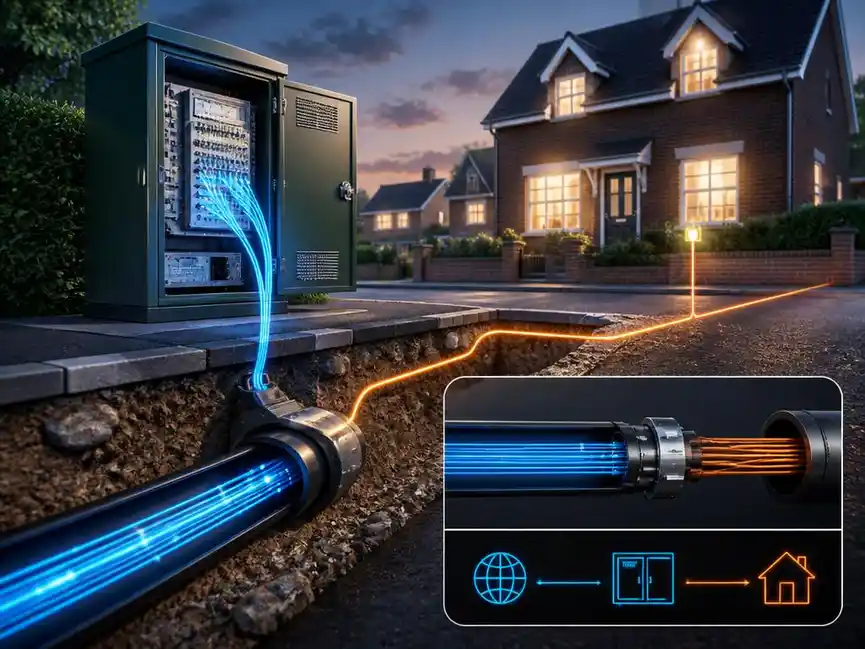
The architecture relies on high-speed fiber optics reaching a local street cabinet before transitioning to traditional copper cables. This hybrid model ensures that data travels across long distances through efficient light pulses before completing the final short journey to your premises. Because the length of the copper segment is minimized, signal degradation is significantly lower than in older networks. This design philosophy effectively bridges the gap between infrastructure limitations and the user requirement for faster broadband speeds without needing a complete overhaul of underground residential wiring systems.
Strategies to maintain high speed performance
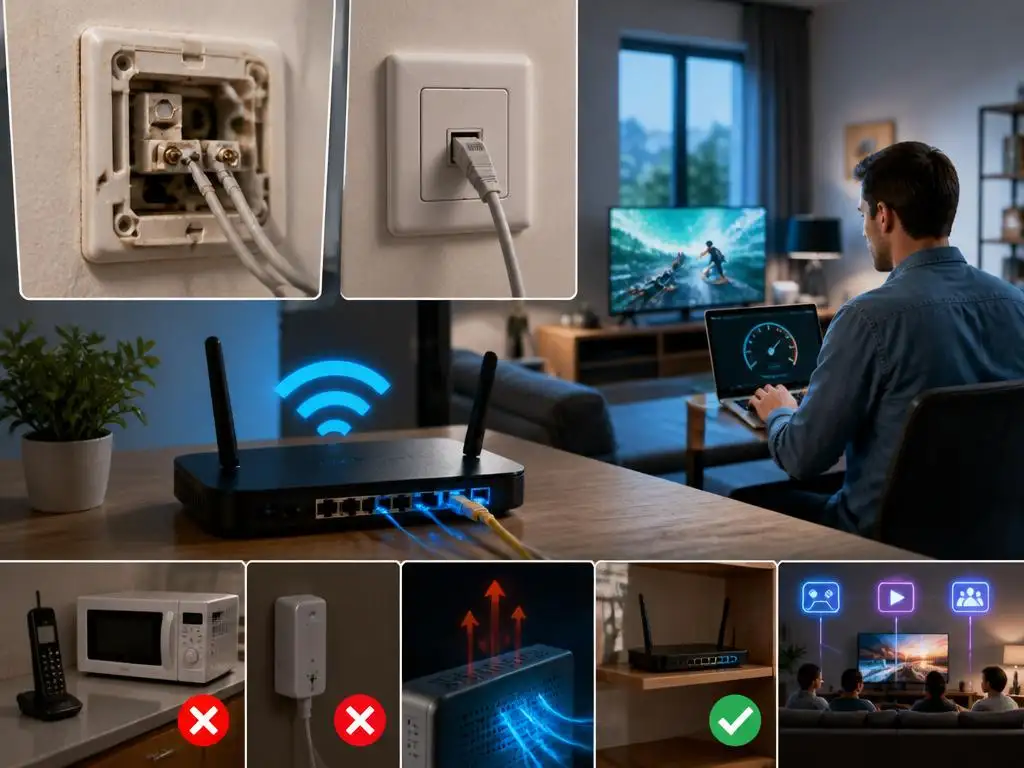
To ensure your internet remains fast, start by inspecting the physical condition of your master socket. Poor connections or damaged internal wiring can often lead to frequent drops in synchronization, which degrades your overall broadband quality over time. If you notice instability, checking for interference from other electrical devices or outdated microfilters is a quick and effective troubleshooting step. Ensuring that your modem or router is kept in a well-ventilated area away from thick concrete walls will also significantly reduce signal attenuation and help maintain a consistent data stream throughout your home.
Beyond physical maintenance, modernizing your digital engagement strategies can significantly improve how you utilize your available bandwidth. Many users find that offloading heavy tasks to off-peak hours provides a better experience. Understanding how to manage your professional online presence can also help you prioritize essential data traffic during busy periods. When your network is optimized, you avoid unnecessary bottlenecks, allowing both work-related applications and entertainment services to run concurrently without causing excessive lag or buffering issues that often frustrate casual users in a connected household.
💡 Top tips for optimizing your router placement
- Place your router in a central, elevated position away from metal objects.
- Keep devices away from large mirrors or thick aquarium tanks to reduce signal blocking.
- Regularly check for firmware updates through your service provider portal for better performance.
- Consider using a wired ethernet cable for stationary devices to minimize wireless congestion.
Common troubleshooting steps for connection drops
Frequent disconnections often indicate a fault within the internal wiring or a temporary issue at the street cabinet level. Start by performing a hard reset on your hardware to clear any cached data errors. If the issue persists, review the status lights on your modem, as these provide critical feedback regarding the synchronization state of your line. When specific patterns appear, it is usually time to contact your service provider for an line check to identify potential physical faults occurring between your residence and the central exchange point.
While technical specifications for infrastructure might seem daunting, learning about modern defense systems offers an interesting perspective on how complex networks manage data transmission. Just as specialized hardware requires careful monitoring to ensure reliability, your home network benefits from periodic audits. By staying proactive and identifying potential points of failure before they become critical, you ensure that your internet service remains reliable. Taking a methodical approach to these technical challenges is a key skill for any user managing a high-performance home office environment today.
Is it possible to track your provider updates?

Many users wonder if they can follow industry news to anticipate potential infrastructure upgrades. Exploring various digital platforms often reveals information about local rollouts. Remaining informed about your provider’s future plans can give you a competitive edge when deciding whether to renew your current contract or switch to a different technology tier that might offer better reliability for your specific needs, particularly if you rely heavily on stable connectivity for daily activities.
Evaluating the future of copper hybrid networks

As technology evolves, the reliance on copper-based hybrid models is gradually shifting toward full fiber solutions. However, for many regions, these systems remain the most viable option for high-speed access today. Understanding the longevity of your current service is essential for planning future upgrades. While full fiber offers superior theoretical speeds, the current infrastructure provides a stable fast broadband experience for the majority of residential users who demand consistent access for streaming, gaming, and cloud-based applications, making it a reliable workhorse for many years to come.
Transitioning between different service types requires careful consideration of costs and long-term benefits. Much like strategic hardware procurement, choosing the right internet plan involves balancing your current performance requirements against the budget available. When you weigh the reliability of a mature hybrid network against the promise of newer technologies, you can make an educated choice that aligns with your household usage patterns. Staying critical of marketing claims while focusing on real-world stability will always lead you to the most beneficial outcome for your digital connectivity requirements.
Summary of network maintenance tasks
Regularly auditing your network environment is the secret to avoiding connectivity pitfalls. Keep your hardware cool, minimize interference from large appliances, and always keep your software settings updated. By following these simple but effective habits, you maintain a consistent internet experience that supports all your online activities without the headache of unexpected outages or sudden slowdowns during critical moments, ensuring your digital life stays organized and productive throughout the entire year.
Improving your browsing and gaming experience
Gamers and streaming enthusiasts often prioritize low latency, which is achievable through fine-tuning their local area network settings. By using quality-of-service rules on your router, you can prioritize traffic for specific devices, ensuring that your gaming console or streaming device receives the necessary bandwidth. This creates a more stable gaming session by reducing jitter, even if other family members are browsing the web simultaneously. These small configuration tweaks turn an average service into a highly capable digital hub that serves every user within your household effectively.
Ultimately, the key to a great experience lies in how you configure your local equipment to complement the incoming signal. While you cannot change the external infrastructure, managing the internal distribution is entirely within your control. Taking the time to optimize your Wi-Fi channel selection and reducing wireless congestion in your home will yield noticeable improvements. By combining these efforts with a basic understanding of how your service functions, you will enjoy a seamless and powerful connection that meets all modern demands for high-definition media and real-time interactive communication tools.
