
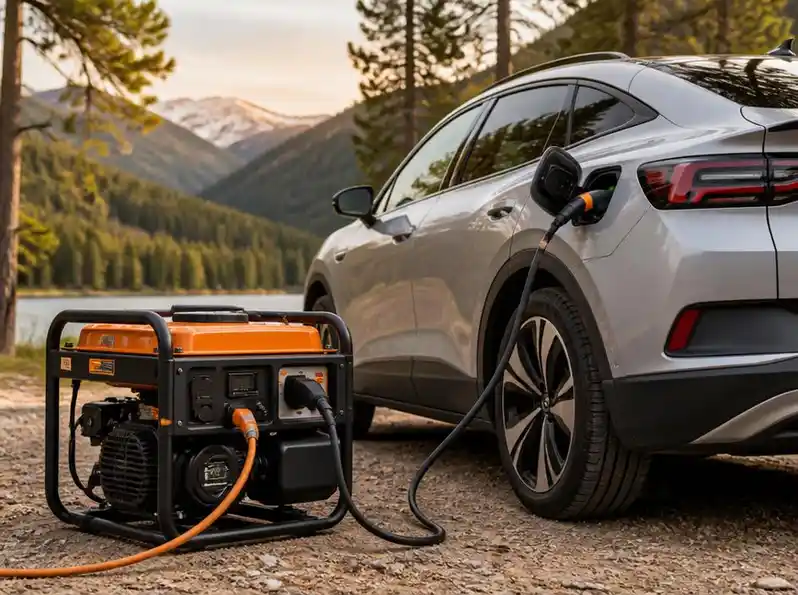
Modern drivers often wonder if a portable generator to charge electric car batteries is a feasible solution for emergencies or off-grid travel. While home charging remains the standard for efficiency and convenience, the ability to generate power on the road offers a unique sense of security. Whether you are facing a power outage or exploring remote areas, understanding how to pair a fuel-based power source with your vehicle is vital. This guide explores the technical requirements, safety considerations, and practical limitations you must master to ensure your vehicle receives a stable and safe energy transfer.
Charging your vehicle in such a manner requires specific hardware, including a compatible level one or level two charger and a stable output unit. Many enthusiasts explore this method to avoid being stranded, though it is rarely intended for daily use due to fuel costs and emissions. As you dive into the technical details, you will discover that not every setup works effectively, and improper handling could damage your sensitive onboard electronics. Read on to master the essential steps for maintaining your mobility when traditional grid-based charging options are simply unavailable or too distant to reach.
Essential Power Requirements
To successfully use a generator to charge electric car systems, your equipment must provide a clean sine wave. Most modern vehicles require high-quality electricity to manage their onboard charging computers properly. Low-cost generators often produce irregular power, which can trigger safety protocols, preventing the charge from initiating and potentially harming your vehicle hardware.
Before connecting any device, verify the power output of your portable unit against the consumption needs of your charging cable. An entry-level wall plug charger typically pulls around twelve amps, which most standard portable generators can handle easily. Always prioritize safety by inspecting your equipment maintenance standards to ensure all connections are secure. Using a unit with at least four thousand watts of surge capacity provides the best headroom for stable operation during the start-up phase.
Consider the total time required for a full cycle. Charging via this method is significantly slower than using a dedicated public fast-charging station. You should view this process as an emergency lifeline rather than a primary method for fueling your transport. Keep your energy management tactics sharp to ensure you only use this approach when absolutely necessary, thereby preserving the overall longevity of your generator and your car battery.
💡 Quick Checklist for Success
- Confirm your generator provides a pure sine wave output.
- Ensure the grounding wire is properly installed for safety.
- Keep the engine in a well-ventilated outdoor location.
- Never refuel the generator while it is currently running.
- Monitor the temperature of all cables during the session.
Some users might feel tempted to increase the charging speed by using higher wattage, but this can lead to overheating. Always stick to the manufacturer recommended amperage settings for your specific vehicle model to avoid tripped circuit breakers. If you are curious about performance limits in other sectors, you might find electric mobility speed benchmarks quite informative for broader context. Stability is the priority, so never compromise on the quality of your extension cords or electrical connectors.
Furthermore, if you find that managing such energy solutions is a regular part of your business, you might need to expand your brand reach to better understand modern consumer needs. Managing energy effectively is a skill that balances technical knowledge with caution. By treating your vehicle like a mobile asset, you ensure that you remain prepared for any unexpected situation that occurs during your travels, maintaining control over your journey regardless of the local power grid limitations or charging station availability.
Weather conditions play a critical role when operating any combustion-based power unit. Humidity and extreme temperatures can affect the performance of both the car battery and the charging unit. Always operate your machinery on flat, dry surfaces to prevent accidental tipping. If you notice any warning lights on the dashboard, disconnect the power immediately and inspect the setup for errors.
Safety Protocols and Best Practices
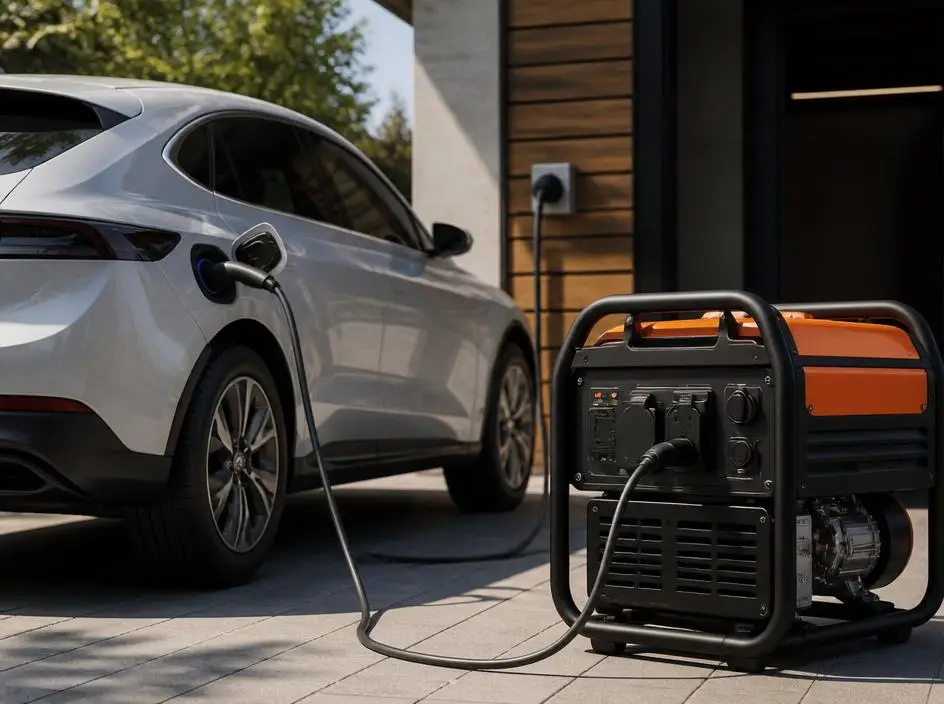
Safety is the most important factor when dealing with high voltage and fuel. You must never attempt to perform this charging operation inside a closed garage or confined space. The carbon monoxide produced by the generator is lethal. Ensure that you have adequate ventilation and that the generator remains several meters away from the vehicle itself.
Many modern electric vehicles include sophisticated battery management systems that monitor the quality of the incoming current. If the system detects a voltage fluctuation or noise in the signal, it will automatically reject the charge. This is a built-in safety feature that protects your vehicle from spikes, but it can be frustrating if your equipment is not up to industry standards. Investing in a high-end portable power supply with inverter technology usually resolves these connectivity issues effectively.
Another factor to consider is the noise level generated by these units. If you are in a campsite or residential area, be mindful of local noise ordinances. Silent-running inverter models are preferred for their lower decibel output and refined power delivery, making them the standard choice for anyone who frequently needs to supplement their vehicle charge away from home. These units also tend to be more fuel-efficient, saving you money on gasoline over the long term.
⚠️ Common Pitfalls to Avoid
Avoid using cheap, non-inverter generators that produce « dirty » electricity. These units frequently cause erratic behavior in sophisticated battery management systems. Additionally, ensure you are using a heavy-duty cable that is rated for outdoor use and matches the amp rating of your charger to prevent the cable from melting due to resistance-based heat buildup.
In conclusion, while using a generator as a backup is entirely possible, it requires careful preparation and the right equipment. By prioritizing safety and choosing high-quality, stable power sources, you can turn a potentially stressful situation into a manageable event. Always test your configuration at home before relying on it in a remote setting. Being prepared ensures that you enjoy the benefits of electric vehicle travel without the anxiety of being left stranded without a reliable energy source to get you back on the road safely.
Summary of Key Considerations
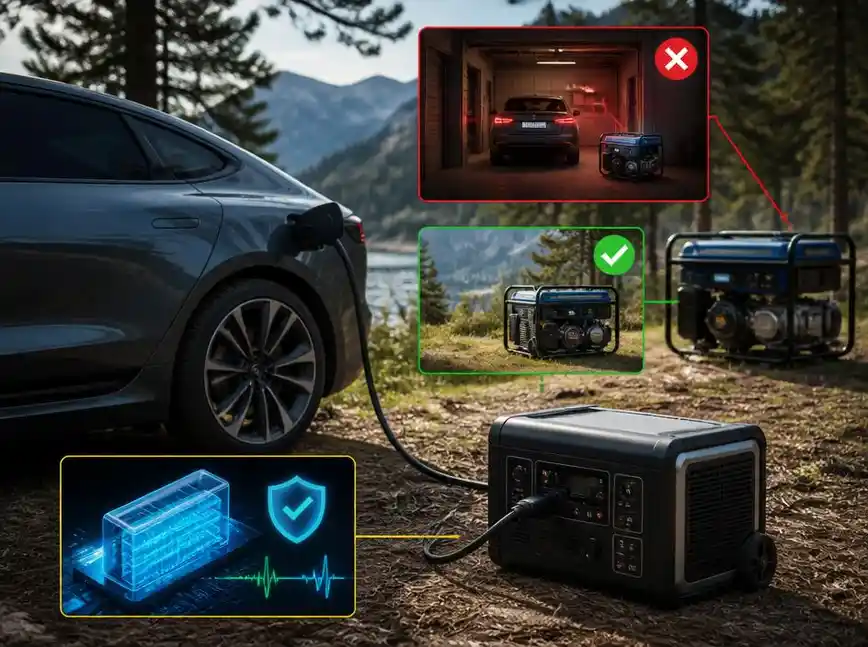
Understanding the interplay between your vehicle charger and external power generation is critical for peace of mind. Remember to focus on pure sine wave output, adequate ventilation, and correct cable sizing. With these basics mastered, you will be well-equipped to handle emergencies with confidence, keeping your vehicle charged and ready for whatever the road brings next in your journey.
