
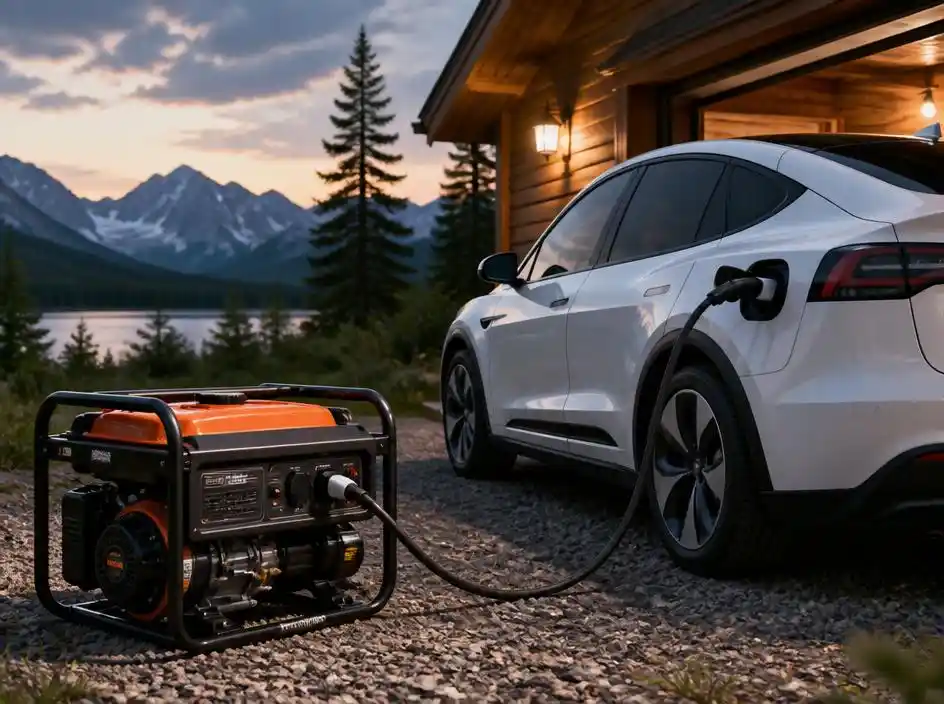
Modern drivers often wonder if using a portable generator to power their electric car provides a practical solution for remote travel or emergency outages. While the prospect of being stranded without access to a charging station can be daunting, understanding the technical compatibility between fuel-powered units and battery-electric systems remains crucial for long-term road confidence. Before relying on such equipment, it is important to assess whether your specific vehicle model allows for this unconventional method of energy transfer without risking damage to the sophisticated electrical components or the battery management system.
Evaluating the feasibility of this setup involves more than just plugging in a cable, as power fluctuations could easily disrupt sensitive circuits. If you are preparing for an off-grid excursion or exploring backup options, verifying your equipment requirements is essential for safety. By examining the conversion process from internal combustion to clean energy, we can determine if this setup is a reliable contingency plan or merely a theoretical concept. Discovering the reality behind these power sources will help you make an informed decision regarding your vehicle maintenance and your overall mobile energy strategy during unexpected technical failures.
Essential performance insights
Charging your car via a generator is technically possible but highly inefficient due to energy loss during conversion. Always ensure your generator produces a pure sine wave to prevent damaging the onboard charging system. Most standard consumer generators lack the output stability required for modern, high-capacity lithium-ion battery packs found in cars.
The technical constraints of mobile power generation
When considering an off-grid power solution, the primary bottleneck is the current output of the generator itself. Most portable units provide roughly two to three kilowatts, which is significantly lower than the rapid charging infrastructure found at public stations. This means that even if a successful connection is established, the charging time will be exceptionally long, often taking several days to reach a full capacity state.
Furthermore, the physical connection requires a compatible adapter that translates the generator socket to the vehicle input. Many users find that common household outlets on generators are not rated for the sustained, high-amperage draw demanded by electric vehicle chargers. This mismatch can cause the generator to overheat or enter a protective shutdown mode during the initial minutes of operation.
Safety warning regarding hardware
Never attempt to bypass safety protocols or modify charging cables to fit non-standard power sources. Engaging in risky modifications can void your manufacturer warranty or lead to electrical fires. If you need to manage complex household repairs like a frigidaire ice maker tray replacement, follow certified guides to maintain system integrity, just as you would with your car electronics.
Infrastructure challenges and power conversion
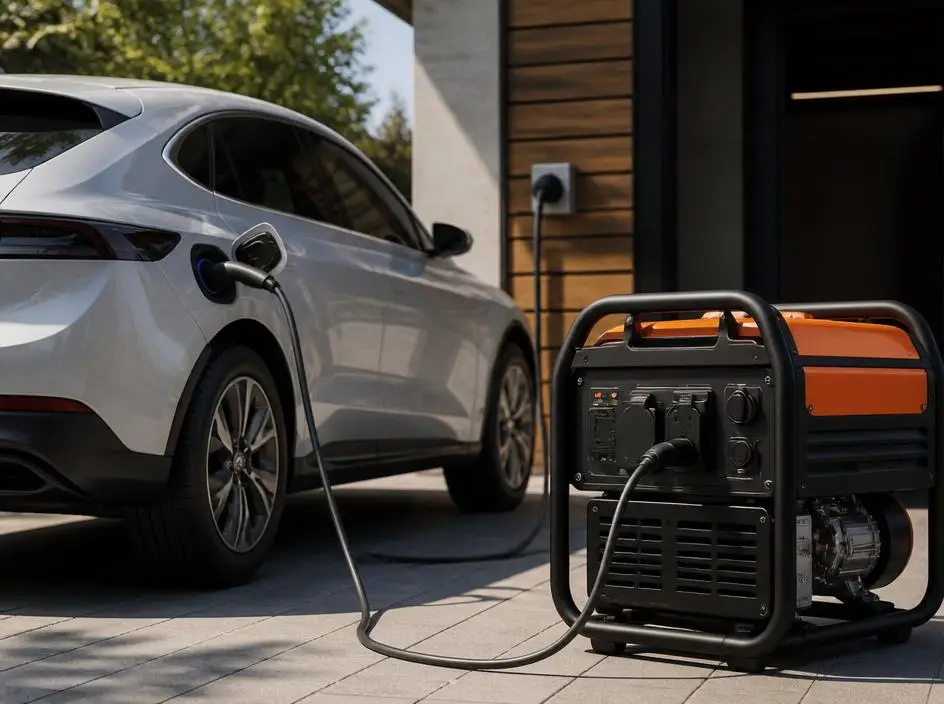
Efficiency loss is the most significant hurdle when utilizing a fossil fuel generator for electric mobility. You are essentially converting gasoline into mechanical energy, then into electricity, then back into stored chemical energy. Each step in this sequence dissipates power as heat, meaning the carbon footprint and financial cost per mile are significantly higher than utilizing a grid-connected reliable ice maker replacement solution or public charger. Additionally, the constant engine noise and exhaust emissions from the generator create a localized environmental issue that negates the quiet, clean benefits of driving an electric car.
Evaluating alternative energy solutions for range
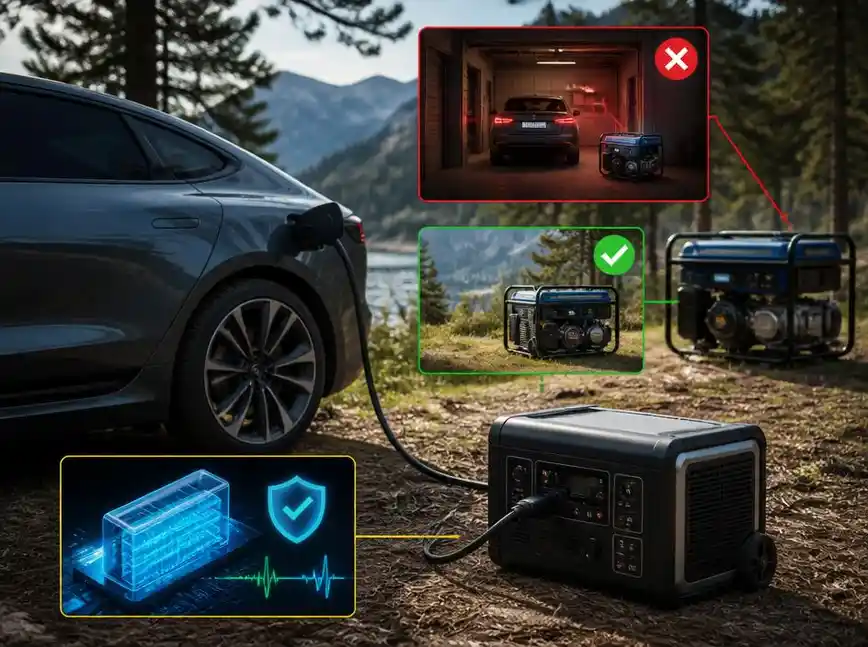
Rather than relying on generators, many owners prefer to invest in a 1500w electric bike for short-distance micro-mobility if the main vehicle runs low. Others look to optimize their charging routine through smart software to ensure their main battery remains healthy and efficient. Proper planning and map-based route optimization significantly reduce the likelihood of ever needing an emergency power source during a standard commute or long-distance trip.
Key takeaways for owners
- Generators should only be used for emergency top-ups, not as a primary charging method.
- Ensure your generator supports a pure sine wave output to protect vehicle electronics.
- Always monitor the engine temperature and fuel levels during the entire charging process.
- Public fast-charging stations remain the most reliable and efficient way to add range.
Long-term strategy for energy independence
For those looking to expand their capabilities, a professional digital marketing strategy can help businesses manage fleets by finding efficient charging hubs. By leveraging data, fleet managers can avoid the need for portable generators entirely. The future of electric travel relies on expanding the density of high-speed charging infrastructure rather than individual, less efficient workarounds that provide limited utility in real-world scenarios.
Summary of environmental impact
Using a gas generator to charge an electric vehicle effectively transforms your car into a hybrid with very low efficiency. This approach should be reserved for life-critical emergencies where no other options exist. Most modern vehicles are designed to be grid-reliant, and forcing an off-grid connection can introduce unexpected strain on the battery health and internal charging hardware over time.
Final thoughts on portable charging feasibility
While the concept of using a generator to power your commute sounds like a perfect contingency, it is fraught with technical difficulties and efficiency losses. A sustainable approach requires focusing on grid-based infrastructure and advanced planning to ensure you never run out of power. By prioritizing charging efficiency, you ensure the longevity of your vehicle while supporting the broader transition to clean energy technologies, which remains the most reliable path for all modern electric vehicle owners who prioritize both performance and responsible resource management for their future travels.
