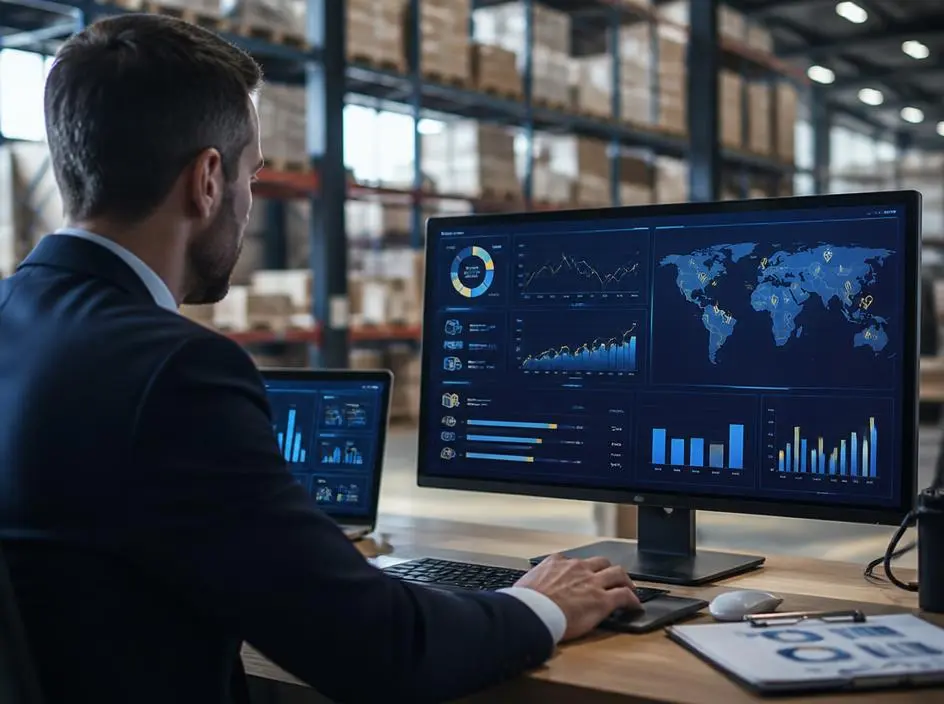
Modern businesses often struggle with fragmented procurement processes that lead to costly delays and operational inefficiencies. Implementing an artificial intelligence purchase order tracking system can revolutionize how organizations monitor their supplies by providing real-time visibility and predictive analytics. This technology allows managers to anticipate potential bottlenecks before they manifest into serious supply chain disruptions. By leveraging advanced machine learning algorithms, companies can move away from reactive troubleshooting toward a more proactive management style. As the market becomes increasingly volatile, adopting these digital solutions ensures that every procurement step remains transparent, efficient, and perfectly aligned with current production demands.
Understanding the full lifecycle of a purchase order is essential for maintaining healthy relationships with suppliers and ensuring timely deliveries. By integrating smart tracking mechanisms, stakeholders can monitor shipment statuses, document approvals, and payment cycles within a unified dashboard. This comprehensive approach minimizes manual errors and significantly reduces the administrative burden on procurement teams across various industries. Investing in such robust infrastructure empowers firms to make data-driven decisions that ultimately enhance their competitive position. As we explore the mechanics of these intelligent tools, you will discover how they streamline complex workflows and improve your overall operational bottom line.
Core benefits of automated tracking
Transitioning to an automated procurement environment offers immediate advantages for your business strategy. These systems remove the reliance on outdated spreadsheets, ensuring that your team maintains a single source of truth for all incoming goods. When your operations are streamlined, you can focus on strategic growth while the software handles the minute details of delivery verification.
How machine learning enhances procurement visibility
The primary advantage of deploying intelligent software in procurement is the ability to analyze vast amounts of historical data instantly. By interpreting patterns in supplier performance, the system predicts potential delivery failures or quality issues long before they occur. This predictive capability allows procurement teams to secure alternative sources of supply proactively. Furthermore, such systems integrate seamlessly with existing databases, ensuring that every piece of information is updated in real-time. This level of synchronization is critical for organizations that require precise inventory levels to meet fluctuating customer demand throughout the fiscal year.
💡 Key takeaway
A smart tracking platform eliminates the need for manual status updates. By automating documentation flow, your staff gains valuable time to focus on iconic design strategies within their procurement dashboards, ensuring that even the internal interfaces remain intuitive and clean for every user involved in the buying cycle.
Key features to look for in tracking software
When selecting the right platform for your company, prioritize solutions that offer robust API capabilities and deep integration with your current accounting tools. A high-quality system should provide customizable alerts, allowing team members to receive notifications regarding status changes via email or mobile applications. Additionally, the software must feature intuitive data visualization tools that transform raw procurement numbers into actionable charts and graphs. By prioritizing these specific features, your organization ensures that the adoption of new technology leads to immediate productivity gains and long-term cost savings across all departments.
Improving supplier relationships
Building strong partnerships requires consistent communication and transparency regarding order status. When suppliers see that you utilize an advanced purchase order tracking system, they are more likely to prioritize your requests. This trust fosters better pricing terms, improved shipping reliability, and collaborative problem-solving efforts during times of industry uncertainty or regional supply chain crises.
Integrating mobile access for field teams
Field technicians and warehouse managers often need to verify incoming orders while away from their primary workstations. Providing mobile access ensures that your team can track deliveries from any location, which is crucial for dynamic warehouse environments. Exploring timeless interface aesthetics on these mobile portals improves user adoption rates and minimizes the learning curve for staff. When tools are easy to navigate, workers are more likely to input data accurately, leading to higher system integrity. Investing in mobile-friendly procurement technology is therefore essential for maintaining agility in an increasingly fast-paced and globalized logistics market today.
Advanced technical configuration and setup
Successful implementation requires careful planning, especially when aligning server settings with your existing IT infrastructure. Organizations often find that following expert configuration steps helps in securing data flows between the cloud and local storage systems. Without proper technical setup, the benefits of advanced predictive analytics can be stifled by connectivity issues or synchronization errors. Ensure your IT department works closely with the procurement team during the deployment phase to map out all necessary integration points. This collaborative effort guarantees that the technology functions reliably as a core part of your daily operations.
⚠️ Warning: Data security
Always prioritize security when selecting a cloud-based vendor. Ensure your provider offers end-to-end encryption and regular security audits to protect sensitive supplier and financial information. Protecting this data is as important as the efficiency gains, so verify all compliance certifications before signing any long-term service agreements for your new tracking platform.
Future trends in procurement automation
The future of logistics lies in the further integration of artificial intelligence with blockchain technology to create immutable records of every transaction. This combination will provide unprecedented levels of auditability and trust between global trading partners. As we move forward, systems will become even more autonomous, capable of placing orders based on real-time consumption data without human intervention. Businesses that begin their digital transformation journey today will be the ones to thrive tomorrow. By starting with a robust tracking system, you set a strong foundation for future innovations that will continue to define excellence in modern supply chain management.
Summary of deployment steps
- Assess your current procurement bottlenecks and pain points.
- Select a scalable software vendor with robust API support.
- Train staff on the new automated dashboard functionalities.
- Monitor key performance indicators to measure ROI successfully.
Ultimately, the transition toward an intelligent procurement environment is not merely a technical upgrade but a strategic necessity. By investing in a comprehensive tracking system, you eliminate the guesswork often associated with logistics and manual record keeping. This shift allows your organization to remain agile, responsive, and prepared for the challenges of global market fluctuations. As your business grows, the scalability of these AI-driven platforms will prove to be an invaluable asset in maintaining consistent quality and speed. Embrace the future of procurement today and transform your supply chain into a significant competitive advantage for years to come.
