
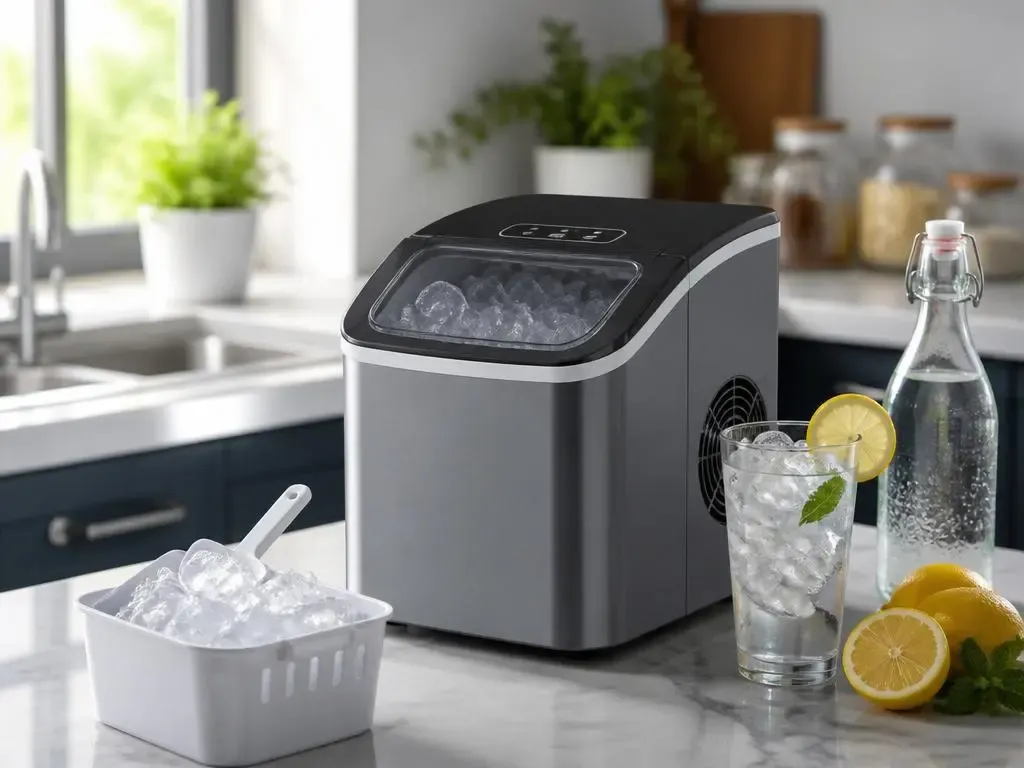
Ensuring your ice remains pure and clear requires a diligent Scotsman ice maker filter maintenance schedule. Neglecting this filtration component often leads to mineral buildup, which compromises both the mechanical efficiency of your machine and the quality of the ice cubes produced daily. A proactive approach helps avoid costly repairs while ensuring every glass of water stays refreshing and free from unwanted contaminants or odors that commonly plague aging residential or commercial systems.
Consistent care preserves your equipment longevity and guarantees high performance throughout heavy usage seasons. By following structured procedures, you effectively mitigate long-term damage caused by water impurities. Proper upkeep serves as the bedrock for a reliable supply of fresh, crisp ice, making your daily operations smoother and more sanitary for everyone involved in your environment.
Quick maintenance summary
- Check water quality indicators weekly.
- Replace cartridges every six months.
- Inspect housing for hairline cracks.
- Flush lines after new installations.
- Document all service intervals regularly.
Why filtration matters for your ice machine
Water quality dictates the flavor and clarity of ice cubes in any high-end cooling system. When your filtration system underperforms, minerals begin to crystallize on evaporator plates, creating significant obstructions. This leads to longer cycle times and puts unnecessary strain on your internal pump, potentially shortening the overall lifespan of your expensive kitchen technology quite significantly.
Managing your water intake is essential for maintaining optimal flow during peak production times. If you are also looking to improve system performance through digital monitoring, consider pairing physical maintenance with logical dashboard updates. This dual approach ensures your hardware and software remain perfectly synchronized for maximum operational efficiency in your busy workplace or professional kitchen environment.
Clean water is the fundamental secret behind the perfect ice cube. Ignoring your filter not only hurts the taste but also forces your compressor to work much harder than designed, leading to eventual failure.
Recognizing signs of a clogged filter
Identifying when a component requires immediate replacement saves you from major equipment downtime later. Common warning signs include noticeably smaller ice cubes, reduced production capacity, or a strange, metallic aftertaste in your drinks. If you observe cloudy ice, the internal media is likely saturated, indicating that it is time for a brand new replacement cartridge immediately.
Some users might also face challenges when attempting to monitor resource flow effectively during peak demands. Keeping an eye on your consumption patterns helps predict when replacement parts are truly needed. By tracking these variables, you prevent the risk of a complete system shutdown that often occurs when debris finally clogs the critical internal valve assembly.
💡 Pro maintenance tip
Always keep a spare water filtration cartridge on hand in your storage area. This simple practice ensures you are never caught unprepared when the system signals a change is required, preventing a lapse in your ice supply during critical business hours or high-traffic weekend events.
Replacing your filtration unit safely

Before beginning the swap, ensure the water supply line is completely turned off to avoid accidental spills inside your cabinet. Carefully remove the existing housing, keeping a towel nearby to catch residual drips from the lines. Clean the canister interior with a mild, food-safe sanitizer to ensure the new filter starts in a completely sterile and clean environment.
Once the new filter is secured, slowly turn the water supply back on while inspecting for potential leaks around the O-ring seal. If you want to streamline maintenance steps across your facility, keep a physical logbook or a digital calendar nearby. This allows you to track specific dates, ensuring you never miss a vital service window for your equipment throughout the busy annual operating cycle.
Advanced strategies for water purity
For locations with extremely hard water, consider installing an additional pre-filter system to extend the life of your primary unit. This setup traps larger sediment before it ever touches your machine, allowing your main filter to focus exclusively on refining the taste and preventing lime scale formation. Such configurations are common in regions with high mineral content.
Consistent, high-quality output depends on your commitment to these routine procedures. By integrating these habits, you protect your investment while consistently serving high-quality refreshments to your customers or family members. Remember that a clean machine performs better, lasts significantly longer, and consumes far less energy over time compared to poorly maintained systems running on unfiltered, sediment-heavy water.
⚠️ Critical safety warning
Never attempt to force a filter housing if it feels stuck during removal. This can damage the plastic threads on your system. If the unit does not unscrew easily, use a specialized tool provided by the manufacturer to apply gentle, even pressure until the housing releases properly from the mounting bracket without causing any permanent structural damage.
Long-term reliability and performance
Reliability is built through small, recurring actions taken over the life of your appliance. Regularly auditing your water pressure and filtration health ensures that your ice maker continues to produce consistent, high-quality results. Maintaining the internal components is not just about cleanliness; it is about protecting your hardware from the corrosive effects of untreated minerals, which eventually lead to costly and unnecessary repairs.
Finally, encourage your team or household to observe the ice quality daily. Early detection of impurities often points to a failing filtration system, allowing you to react long before the machine requires professional service. By mastering these maintenance tasks, you ensure that your investment remains as efficient and productive as the day it was first installed in your kitchen or professional facility.
