
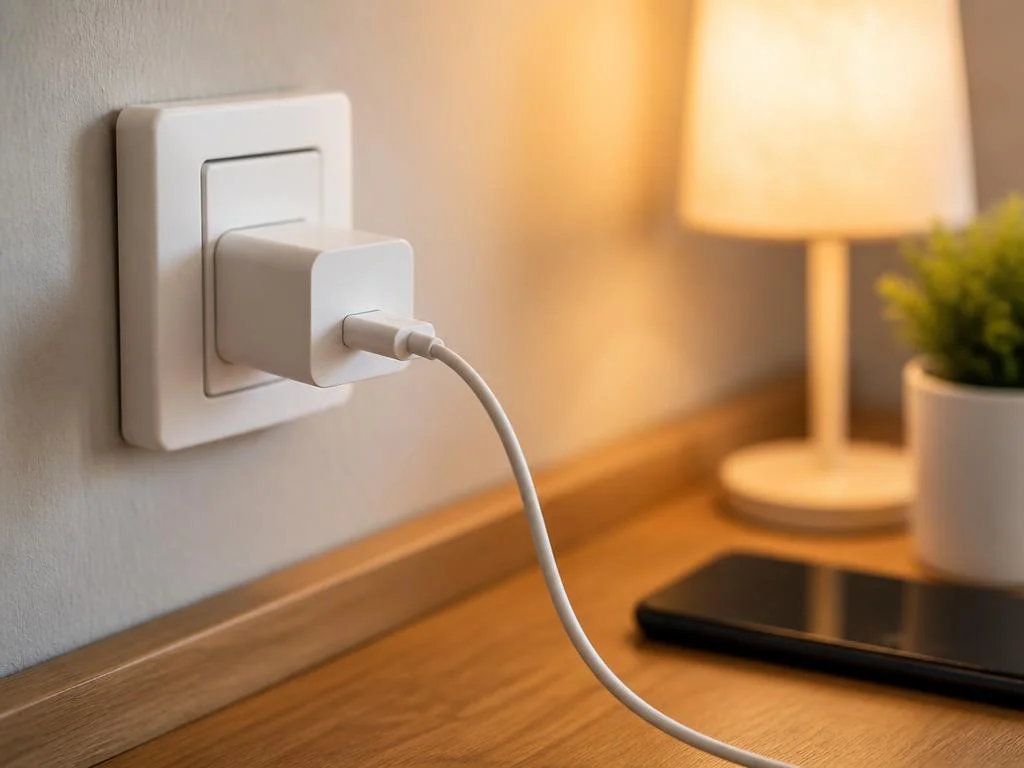
Modern households rely heavily on electronic devices, making power adapters a constant presence in our living spaces. Many people wonder if leaving phone charger plugged in without phone is a fire hazard that threatens their safety. While these devices are designed to consume minimal electricity when idle, concerns regarding overheating or internal component failure often persist among tech users. Understanding how these adapters function is the first step toward managing household energy risks. By examining the mechanics of charging technology, we can distinguish between common myths and genuine safety issues while maintaining a secure home environment for everyone.
Safety remains the primary concern for homeowners wanting to prevent electrical incidents in bedrooms or offices. Although modern chargers include sophisticated circuitry to manage energy flow, external factors can occasionally lead to unexpected complications. When an adapter remains connected to a power outlet without a device attached, it is technically in a standby mode. However, the quality of your equipment significantly influences the overall risk profile of your setup. Assessing your hardware is a crucial practice for anyone looking to optimize their home infrastructure. Let us explore the technical realities behind these everyday electronic habits today.
Key Takeaways For Safety
- Low-quality or counterfeit chargers lack proper insulation and safety certifications.
- Leaving an adapter plugged in generates negligible heat if it is in good condition.
- Always inspect cables for fraying or exposed wires regardless of the connected device.
- Unplugging unused adapters can help extend their lifespan and reduce slight power consumption.
Understanding the mechanics of idle chargers
Most power adapters contain a transformer that converts high-voltage alternating current into low-voltage direct current. When you unplug your smartphone, the circuit becomes open, meaning no current flows into your device. Consequently, the energy consumption drops to near zero, though the charger might still draw a minuscule amount of power. This phenomenon is often referred to as vampire power, which impacts electricity bills only slightly. Manufacturers design these components to be robust, yet they are not immune to the wear and tear caused by fluctuations in residential electrical supply or heat buildup.
If an adapter is poorly manufactured, internal components might degrade faster than expected over time. You might find resources regarding digital document management if you need to organize your safety manuals for appliances. Genuine products from reputable brands undergo rigorous testing to ensure they do not become dangerous while sitting idle. However, if the transformer insulation fails, it could theoretically cause a short circuit. It is vital to prioritize hardware from verified sources to maintain the integrity of your home electrical system during daily operations in various rooms.
Evaluating the real risks of household fire
Statistically, the occurrence of fires caused by plugged-in chargers that are not actively charging a phone is extremely low. Most electrical fires are linked to damaged cables, faulty power strips, or overloaded outlets rather than the idle adapter itself. When a charger is left in a wall socket, it is exposed to the same ambient temperatures as your walls. Problems usually arise when the device is placed under heavy furniture or covered by flammable materials like blankets. Proper ventilation is essential for all electronic accessories to prevent heat accumulation that could lead to melting.
For businesses, managing equipment is different, such as exploring display technology options for office communication. Whether at home or in a professional environment, keeping a fire hazard checklist is a proactive measure. Ensure that your outlets are not sparking and that your wall sockets are firmly mounted. If you feel that a charger becomes unusually warm even when disconnected from a smartphone, it is a clear indicator that the internal circuitry is failing. In such cases, the safest course of action is to dispose of the unit immediately to avoid potential hazards.
💡 Safety Tip
Check your charger for the UL or CE mark to ensure it meets international safety standards. Avoid buying cheap knock-offs from unverified sellers, as these often bypass critical safety features designed to prevent overheating or electrical surges that could lead to dangerous situations in your home environment.
Best practices for electrical safety
Adopting good habits will minimize any theoretical risks associated with your electronics. Start by unplugging chargers when they are not in regular use, which also helps protect them from sudden power surges. You might also want to look into modern display solutions to keep your living space organized and free from unnecessary wires. Keeping your charging area clean and free of dust is also beneficial. Accumulation of debris inside an adapter port can cause internal short circuits over time, especially if the device remains plugged into the wall indefinitely without any maintenance or inspection.
Investing in high-quality surge protectors provides an additional layer of defense for all your plugged-in devices. These components act as a barrier between your expensive hardware and the unpredictable fluctuations of the main grid. By using a power adapter correctly, you preserve its efficiency and longevity significantly. While leaving a charger in the wall is generally safe, simplicity and organization remain the gold standard. Treat your electronics with care, and they will serve you reliably for years without becoming a source of stress or danger in your residence during your daily routine.
Summary Of Recommendations
To ensure maximum safety, always prioritize high-quality chargers with safety certifications, keep your cables organized, and store your equipment in well-ventilated areas. Unplugging adapters when not in use is a safe practice that reduces energy waste and lowers any minimal risk of equipment failure. Periodically inspect your cables for damage and avoid using damaged hardware at all costs. Following these simple steps will effectively eliminate concerns about potential fire risks, allowing you to enjoy your modern gadgets with complete peace of mind throughout the entire year.
Long-term maintenance and hardware care
As your devices age, their internal components may show signs of degradation. A charger that once worked perfectly might eventually develop an internal fault, making it important to stay vigilant. If you ever find your saved files or instructions on email archiving techniques, consider keeping a digital copy of your device warranties as well. Regular audits of your home office or bedroom outlets can reveal hidden issues like loose connections or charred socket plates. Early detection of these warning signs is the best way to prevent any major electrical incidents from ever occurring.
Ultimately, your awareness is the best tool for protecting your property. By being mindful of where and how you use your charging cables, you contribute to a safer environment. Technology is meant to simplify our lives, not complicate them with safety fears. When in doubt, it is always better to replace a questionable adapter than to risk your peace of mind. Consistent maintenance of your electronic infrastructure ensures that you remain safe while utilizing the benefits of modern technology every single day. Stay informed, stay organized, and keep your living environment as secure as possible at all times.
