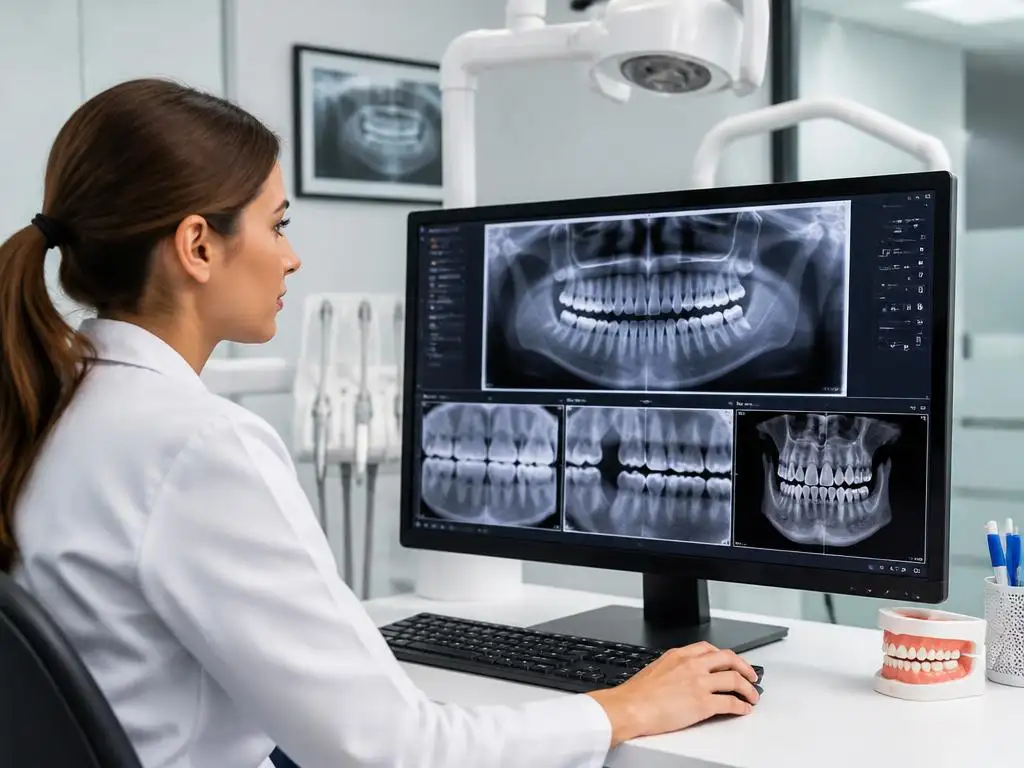
Selecting the right dental digital x ray software is a pivotal step for any practice aiming to optimize diagnostic precision. This technology serves as the backbone of modern clinical workflows, allowing practitioners to capture, store, and analyze radiographic images with unprecedented clarity and speed. By integrating advanced imaging tools, dental professionals can ensure accurate patient records while streamlining administrative efficiency. As clinics move toward total digitalization, understanding how to evaluate these platforms is essential for maintaining high standards of care. In this guide, we explore the critical features and strategic considerations for upgrading your facility to better diagnostic systems.
Modern imaging solutions have revolutionized how dentists approach treatment planning and patient communication. Beyond basic image acquisition, current software packages offer enhanced contrast settings, measurement tools, and seamless integration with existing practice management systems. Implementing the right dental digital x ray software is not merely about replacing physical films; it is about creating a data-driven environment that supports long-term clinical success. By focusing on compatibility, user interface design, and diagnostic support, you can transform your diagnostic capabilities and improve overall patient outcomes. Let us delve into how these technological advancements can optimize your clinical environment today.
Why connectivity matters in diagnostic suites
Successful practices rely on the fluid exchange of data across multiple workstations and devices. When you choose a platform, ensure it supports universal standards like DICOM for maximum interoperability. This level of connectivity allows your team to access files instantly, regardless of the room, which directly supports the daily routine of busy practitioners. Efficient systems eliminate the need for redundant data entry, thereby minimizing errors and ensuring that every patient file remains centralized and fully protected against common digital hazards or localized server failures.
Improving diagnostics with high-resolution image processing
High-resolution imaging is the cornerstone of effective pathology detection. Current software solutions provide sophisticated enhancement filters that allow clinicians to adjust exposure, brightness, and contrast in real time. These adjustments make identifying fine cracks or subtle bone loss significantly easier, which reduces the reliance on repeat exposures. Utilizing top-tier software provides your team with the analytical depth required for complex procedures like endodontics or dental implant placement. As you refine your recruitment tools for new staff, training them on these intuitive interfaces ensures that clinical quality remains consistently high throughout the entire diagnostic process.
💡 Pro-tip: Prioritize cross-platform compatibility
Always verify that your chosen software is compatible with existing sensors and hardware. If your practice utilizes various brands of hardware, modular software suites offer the flexibility needed to bridge those gaps without requiring a complete hardware overhaul. This strategic approach keeps your overhead costs predictable and manageable.
Streamlining data management in modern dental practices
Data integrity is paramount when dealing with sensitive medical records. Robust software architectures manage information with extreme precision, ensuring every patient interaction is logged and stored securely. This requires a sophisticated approach, similar to how one might manage every tuple within a complex database framework. By maintaining organized and scalable records, you protect the clinic from liability while creating an audit trail that supports long-term patient health tracking. A well-organized digital archive is the hallmark of a professional, future-ready office that values patient privacy and high-quality clinical imaging standards throughout all diagnostic interactions.
Key considerations for your software investment
- Seamless integration with existing dental practice management databases.
- User-friendly interfaces that reduce the learning curve for staff members.
- Automatic updates to maintain compliance with current cybersecurity standards.
- Comprehensive technical support options to prevent prolonged operational downtime.
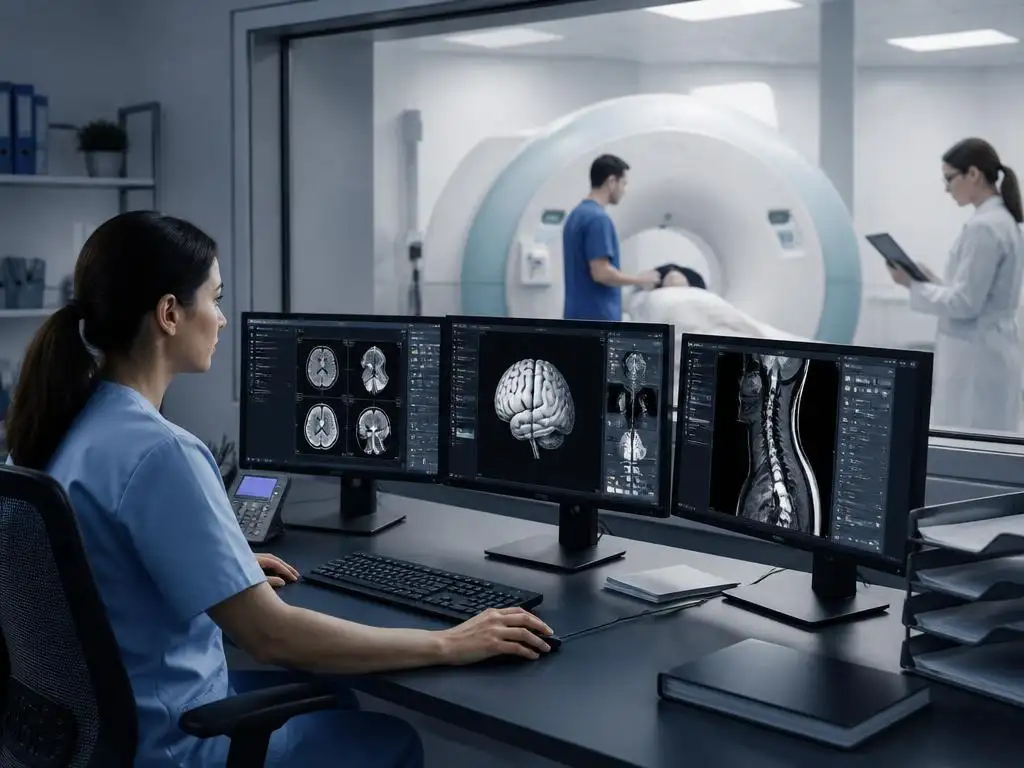
- Advanced diagnostic imaging tools for detailed periodontal assessments.
Enhancing patient communication through visual tools
Patients often feel more at ease when they can clearly see the state of their oral health. Modern software allows you to display high-definition images on chairside monitors, which helps in explaining complex treatment plans. This transparency builds trust and encourages patients to move forward with recommended procedures, as they gain a clearer understanding of the underlying issues. Using clear visual aids is a proven strategy to increase case acceptance rates and foster a stronger relationship between the dentist and the patient. Effective communication is the ultimate benefit of investing in high-quality visual representation software for your clinic.
⚠️ Warning: Avoid closed-ecosystem traps
Some providers lock practices into proprietary hardware. While these systems may offer streamlined performance, they often limit your future expansion options. Be wary of solutions that prevent you from using third-party sensors or cameras, as this may restrict your ability to grow your clinic on your own terms in the coming years.
Future-proofing your dental imaging infrastructure
Technology in the dental sector evolves rapidly, and your software choices should reflect this reality. By selecting a platform that receives regular software feature enhancements, you ensure that your practice remains competitive without constant capital expenditures. Investing in modular, scalable solutions allows you to add features like 3D imaging or artificial intelligence analytics as your clinic grows. This progressive strategy not only improves your clinical outcomes but also maximizes the return on your investment. Remember that the best software is the one that evolves alongside your practice, providing reliability and innovation year after year for your team.
Summary of strategic software implementation
Transitioning to professional digital x ray solutions requires careful planning and a deep understanding of your operational needs. Focus on systems that offer speed, reliability, and security to ensure a smooth transition for your staff and patients. By prioritizing these elements, you establish a firm foundation for excellence. Embracing these advanced digital tools will undoubtedly elevate your practice, allowing you to provide higher quality care while streamlining your internal workflows for maximum efficiency. Stay committed to technology that serves your patients first, ensuring that every image captured is a step toward improved oral health for your community.
