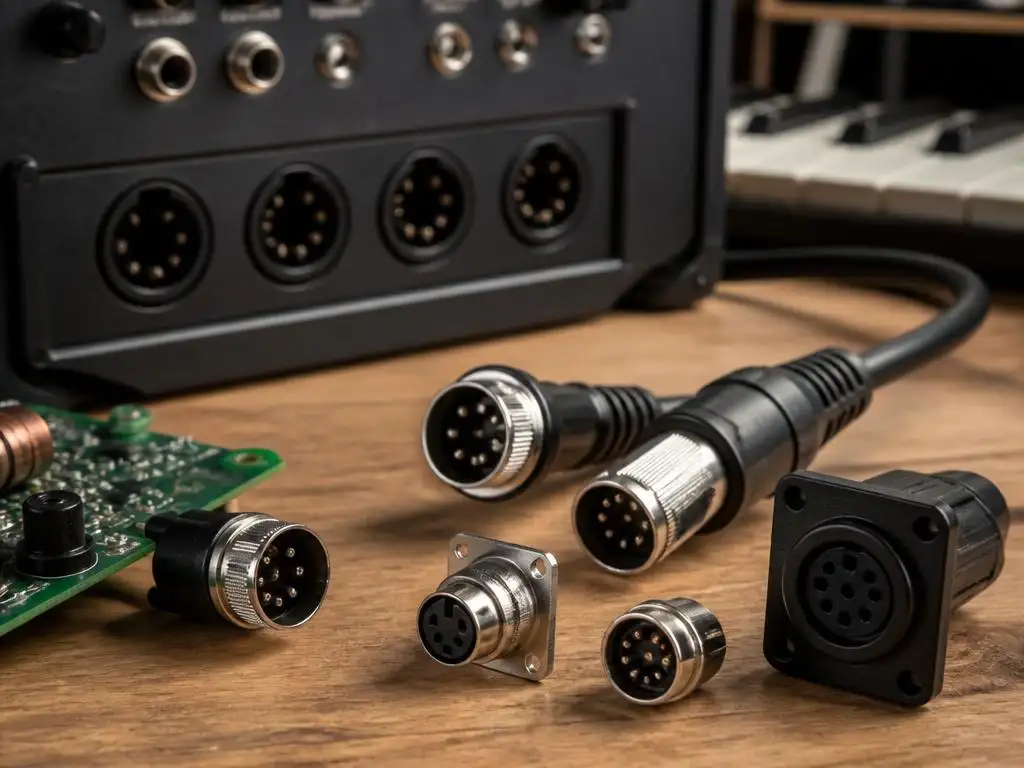
Understanding din plug connections requires a blend of historical context and modern technical proficiency. These circular connectors have been a staple in audio, video, and data transmission for decades, offering a robust interface for various electronics. Whether you are dealing with vintage synthesizers or contemporary instrumentation, knowing how to interpret pin configurations is essential for maintaining signal integrity and hardware longevity. As we explore the complexities of these components, you will gain the clarity needed to identify, repair, or replace your hardware interfaces with confidence and precision in your professional or hobbyist electronics setups.
Beyond the physical layout, the electrical standards associated with these ports remain critical for system compatibility. While modern interfaces continue to evolve, the reliable legacy of circular DIN standards ensures they remain relevant in specialized industrial and creative domains. By examining the structural nuances of these sockets, we can avoid common signal path errors that often plague aging equipment. This guide provides an in-depth look at how these pins interact, ensuring you are prepared to manage your gear effectively. Dive deeper into technical troubleshooting for common connection issues that might arise in complex integrated environments.
Navigating the variety of din plug connections
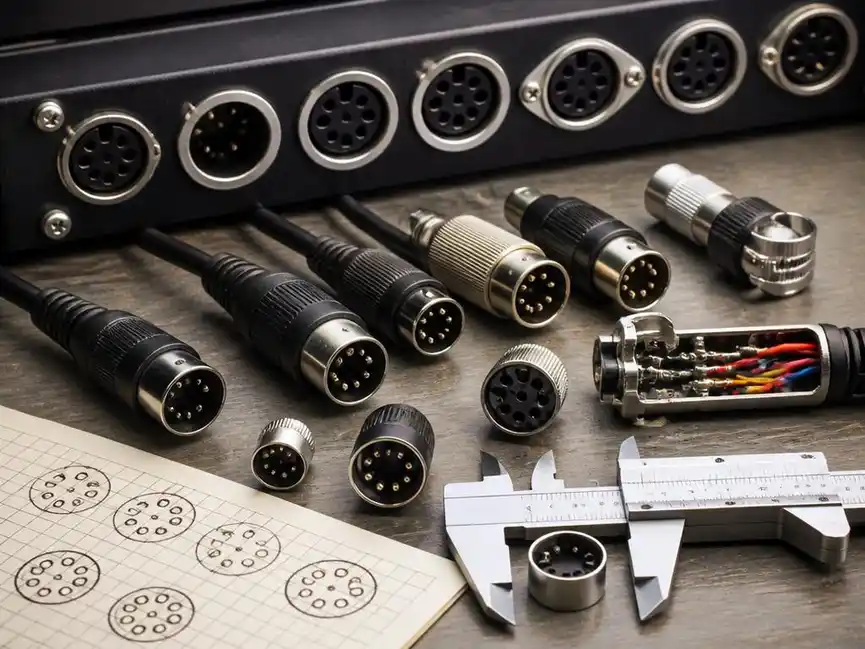
The diversity within this connector family is vast, ranging from the standard three-pin audio configurations to the high-density eight-pin variants used in computing. Each layout serves a specific purpose, dictated by the number of pins and the specific orientation of the guide notch. To identify the correct plug, one must pay close attention to the spatial arrangement of the conductors, as slight variations can lead to disastrous short circuits if forced into incompatible sockets.
When selecting a replacement or a custom cable, precision is paramount. Using calipers to measure the pin pitch can help verify the specification before soldering. Many users often overlook the internal structure of the shell, which must provide adequate shielding to prevent electromagnetic interference. Properly grounded metal casings are often necessary for high-fidelity audio equipment to ensure a silent, interference-free performance during operation.
✅ Pro-Tips for Connector Maintenance
- • Always verify the pinout diagram against your specific manufacturer datasheet.
- • Use high-quality heat-shrink tubing to protect delicate solder points from mechanical stress.
- • Regularly clean contacts with specialized electronic contact cleaner to prevent oxidation buildup.
- • Inspect the strain relief mechanism to ensure the internal wires are not bearing the weight.
Why precision matters in signal path integrity
Signal degradation is a common frustration when dealing with older hardware interfaces. In the case of din plug connections, the accumulation of microscopic dirt or corrosion on the pins can significantly increase impedance, leading to signal dropouts or distorted audio output. Maintaining clean, oxidation-free surfaces is not just about aesthetics; it is a fundamental requirement for optimal electrical conductivity across the entire link.
If you encounter persistent errors while attempting to link your specialized hardware, it is often wise to check for mechanical wear. Frequent insertion and extraction cycles can lead to loose sockets that fail to maintain steady contact. Should you notice intermittent performance, you might need to investigate troubleshooting socket failures before assuming the internal circuit board is to blame for the lack of connectivity.
Professionals working with these systems must also account for cable length and shielding quality. Long runs of unbalanced cable are susceptible to hum and noise, especially in crowded rack setups. Using heavy-gauge wire with proper braiding can mitigate many of these issues, ensuring that the signal integrity remains intact from the input source through to the destination output stage.
Decoding the pinout and wiring standards
Understanding the pin mapping is the most technical aspect of working with these circular interfaces. Each pin is typically numbered, though these numbers are often small and difficult to read without magnification. Referencing the standard diagram is crucial because manufacturers occasionally implement proprietary variations that deviate from the international standard. Miswiring these pins can cause permanent damage to sensitive hardware components.
In many professional audio applications, one pin is designated as the common ground. Ensuring this ground path is robust is essential for preventing ground loops, which can create audible hums in sensitive equipment. If you are building custom cables, take the time to test continuity with a multimeter after soldering but before applying heat-shrink, as small stray wire strands can cause intermittent shorts.
⚠️ Common Pitfalls to Avoid
Avoid the mistake of applying excessive heat during the soldering process, as it can melt the internal plastic housing, causing the pins to misalign or loosen permanently. Always ensure your soldering iron is set to an appropriate temperature and use high-quality flux to facilitate a quick, clean bond between the wire and the terminal cup.
Applying diagnostic skills to industrial systems
While many consumers associate circular connectors with vintage stereos, they are still highly prevalent in industrial automation and medical equipment. In these contexts, the reliability of a connector interface can impact production or patient monitoring. If your business depends on equipment that relies on these older but reliable standards, managing their health is a form of risk mitigation that keeps your operations running without downtime.
For professionals looking to improve their visibility and service offerings, understanding these niche hardware needs can be a differentiator. Learning how to properly document and support specialized connectivity setups helps build trust with clients who possess legacy systems. You can discover more about building a reputation in your industry by studying effective strategies for local visibility and branding, which can apply to any niche technical business sector.
Consistency in maintenance and documentation pays dividends over time. Keeping a log of connector types, pinouts, and cable lengths for each piece of equipment will save countless hours during future troubleshooting sessions. It also allows for a systematic approach when upgrading parts, as you will have a clear reference for what has been previously tested and verified to work within your unique electrical environment.
When to replace versus when to repair
Deciding whether to repair a faulty connector or replace the entire cable assembly is a balance of time and component reliability. If the socket itself is damaged, a board-level repair may be necessary, requiring careful desoldering and replacement of the receptacle. In contrast, replacing a cable is often the faster solution, provided that a high-quality replacement is available that meets the original electrical specifications.
If the equipment is mission-critical, replacing the component is generally the safer route to ensure long-term stability. For non-essential gear, practicing your soldering skills on existing connectors can be a valuable learning experience. Regardless of the path chosen, always perform rigorous testing before integrating the component back into the primary signal chain to ensure it meets your performance expectations.
« The secret to long-lasting electronic interfaces lies not just in the quality of the hardware, but in the attention to detail during the initial installation and subsequent maintenance cycles. »
Modernizing your approach to legacy hardware
Integrating legacy DIN-based systems into a modern digital workflow often requires thoughtful adapter management. Using converters to bridge the gap between analog circular connectors and modern digital inputs is common, but it introduces extra points of failure. Being mindful of these transitions is part of a broader strategy for technical excellence, similar to how professionals learn to target quality clients by providing reliable, specialized services that address specific, hard-to-solve problems that most generalists cannot handle effectively.
Finally, never underestimate the power of documentation in a technical workflow. Keeping detailed records of your configurations ensures that when something eventually fails, you are not starting from scratch. By treating these connectors with the care they deserve, you preserve the utility of your equipment for years to come, proving that even older technology can remain a vital part of your productive output when managed with technical expertise and consistent care.
📌 Key Takeaways Summary
Successful management of these circular connections relies on three pillars: precise identification, careful maintenance, and organized documentation. By avoiding the common pitfalls of forced insertions and improper soldering techniques, you can ensure that your hardware remains functional. Whether for industrial, audio, or niche electronic uses, your commitment to quality in these small connections will reflect in the overall reliability of your entire system setup, regardless of the era of technology involved.
