
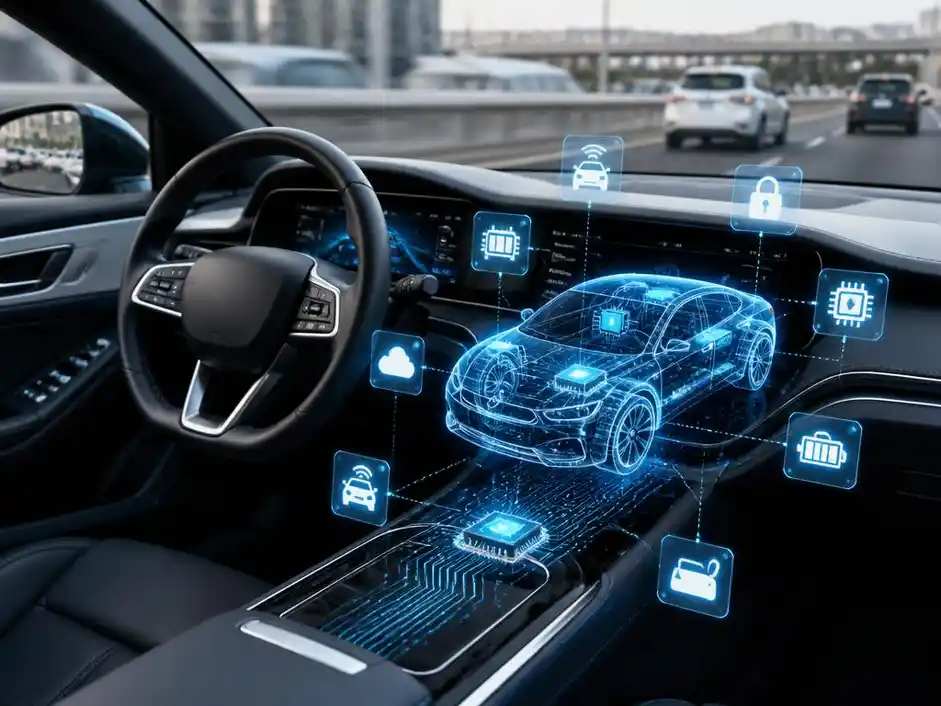
Modern cars are no longer just mechanical machines with engines and wheels. Today, sophisticated automotive operating systems manage everything from engine performance to in-car entertainment, serving as the central nervous system of software-defined vehicles. This digital transformation reshapes how we view mobility, safety, and vehicle longevity.
As car manufacturers race to build proprietary digital platforms, drivers stand to benefit from seamless over-the-air updates and enhanced safety features. Understanding this complex ecosystem reveals how close we are to fully autonomous transport. Let us explore how these advanced software platforms operate behind the dashboard.
The evolution of automotive operating systems in modern cars
In the early days, vehicles relied on simple microcontrollers designed for isolated tasks. Each component functioned independently, requiring miles of physical copper wiring to communicate. Today, software-defined vehicles have consolidated these isolated components into unified networks, allowing a single software platform to manage multiple complex operations simultaneously.
This transition has forced traditional car manufacturers to think more like software companies. Instead of focusing solely on horsepower, developers now prioritize processing power and system efficiency. Consequently, the ability to build reliable, scalable software architectures has become the primary differentiator in the highly competitive global automotive industry.
Modern cars now generate massive amounts of data every second. Processing this information requires a sophisticated platform capable of prioritizing life-saving actions over comfort features. This functional division of labor within the software ensures that critical systems remain completely unaffected by minor errors in secondary programs.
As vehicles become increasingly autonomous, the demands placed on these digital platforms continue to multiply. System engineers must design flexible architectures that can adapt to changing regulatory frameworks and consumer expectations. This dynamic environment makes continuous software development absolutely paramount for the survival of legacy auto manufacturers.
💡 Quick Tech Insight
A modern high-end vehicle runs on more than 100 million lines of code. By comparison, a commercial passenger jet operates on less than 15 million lines. This vast complexity requires robust orchestration systems to maintain total vehicle stability.
Understanding the core architecture of vehicle software
At the lowest level, microcontroller software interacts directly with physical hardware like sensors and actuators. Above this layer sits the middleware, which standardizes communication between different programs and hardware interfaces. Finally, the application layer runs the user-facing services, completing the complex digital stack that powers your daily drive.
Managing these layers requires a delicate balance of speed, security, and computing power. Developers must ensure that system updates do not disrupt underlying safety protocols during operation. To achieve this, modern engineering teams utilize specialized diagnostic procedures to analyze overall system performance before deploying any new updates.
Just as software developers must continuously check their systems for hidden vulnerabilities, organizations also need to evaluate their digital platforms to optimize business operations and maintain visibility. Analyzing internal mechanics remains key to achieving sustainable long-term performance across all types of complex technical systems.
To isolate critical driving functions from consumer applications, developers use virtual environments known as hypervisors. These tools create virtual walls between the steering mechanism and the entertainment console. This ensures that even if the navigation system crashes, the brakes and steering continue to function perfectly.
Hardware abstraction layers
The hardware abstraction layer acts as a translator between physical processors and high-level applications. This layer allows software developers to write code without needing to know the exact technical specifications of every chip inside the car. Consequently, manufacturers can change hardware suppliers without completely rewriting their entire software stack.
This decoupling of hardware and software accelerates development times and reduces production costs. It also enables manufacturers to reuse software across different car models, maximizing their initial engineering investments. By standardizing this communication layer, the entire automotive industry moves toward more efficient and flexible manufacturing practices.
🟢 Key Architecture Pillars
- Hardware Abstraction Layer (HAL): Decouples physical chips from software applications.
- Middleware Integration: Facilitates flawless data exchange across internal components.
- Hypervisors: Safely runs multiple operating systems on a single computer chip.
Real-time software performance
Real-time processing is essential for safety systems that require immediate action, such as collision avoidance. Unlike standard computer platforms, these systems must guarantee that specific tasks complete within exact microsecond intervals. Any delay, no matter how small, could have serious safety consequences for the passengers inside the vehicle.
To meet these strict requirements, engineers choose real-time operating systems that prioritize predictability over high throughput. These platforms use deterministic scheduling algorithms to guarantee that safety tasks always receive immediate processing power. This design philosophy differs greatly from the systems used in consumer smartphones or laptops.
By dividing responsibilities between predictable systems and flexible platforms, developers achieve the best of both worlds. The driver enjoys an interactive dashboard while remaining protected by silent safety algorithms running in the background. This dual-nature setup forms the robust backbone of every modern high-performance passenger vehicle.
Task execution and timing bounds
Managing system tasks requires a deep understanding of priority inversion and execution timing. If a low-priority task blocks a high-priority safety system, the consequences can be catastrophic. Engineers carefully configure execution queues to prevent these conflicts, ensuring that braking and steering commands always take absolute priority.
Modern automotive chips use multiple processing cores to handle these complex timing demands simultaneously. By allocating safety-critical tasks to dedicated processor cores, system architects can prevent resource bottlenecks from slowing down important calculations. This physical isolation of processing power ensures dependable performance under extreme real-world driving conditions.
How safety standards influence automotive operating systems development
Developing software for vehicles requires strict adherence to international safety standards, such as ISO 26262. This framework classifies system functions based on their potential risk levels if a failure occurs. Developers must document every step of the creation process to ensure these safety-critical applications are completely reliable.
Meeting these standards requires rigorous testing, simulation, and verification before code ever reaches an actual vehicle. Engineers spend thousands of hours running virtual tests to simulate extreme road conditions and unexpected hardware malfunctions. This exhaustive verification process helps prevent software glitches that could endanger lives.
To maintain these standards over time, developers rely on specialized diagnostic systems to monitor software health. Similarly, modern enterprises utilize advanced digital audit tools to evaluate structural weaknesses in their own setups. Both processes aim to identify potential points of failure before they cause disruptive real-world problems.
« Safety is not just a feature we add to modern vehicles; it is the foundational layer upon which every single line of automotive software must be built. »
— Chief Software Architect, Mobility Solutions
The importance of regular diagnostic testing
Diagnostic tools run continuously in the background of modern vehicles to monitor hardware and software performance. If the system detects an unexpected error, it can immediately activate backup components to keep the vehicle stable. This proactive error detection is absolutely essential for protecting passengers during long road trips.
These onboard diagnostics also simplify vehicle maintenance by providing clear error codes to mechanics. Instead of manually inspecting every physical part, technicians can read the software log files to locate the source of the problem. This efficiency saves car owners both precious time and money during regular service visits.
In-vehicle infotainment experience
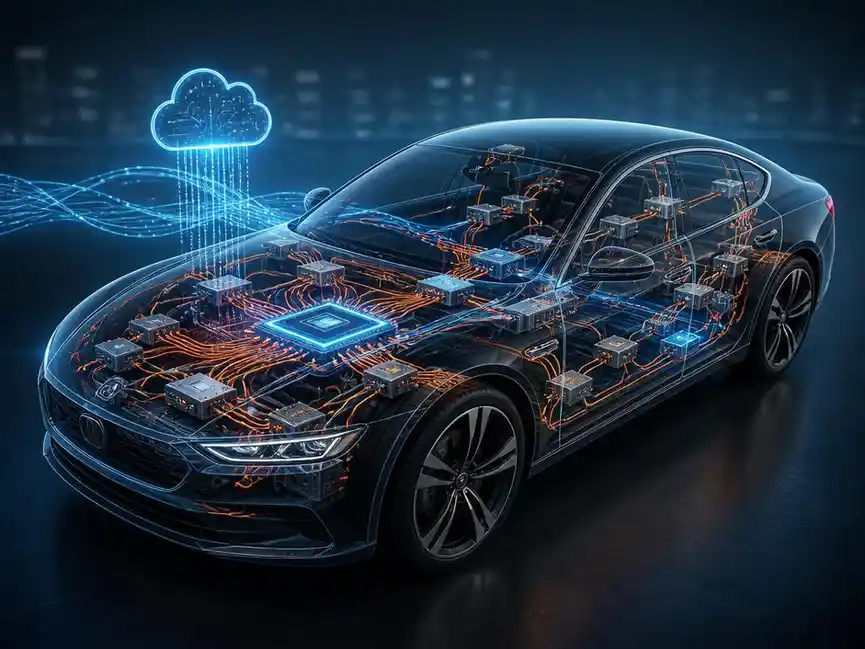
The dashboard has evolved from a simple instrument cluster into a vibrant digital command center. Today, drivers expect seamless smartphone integration, high-definition navigation, and hands-free voice controls. To meet these high expectations, automotive manufacturers are building systems that offer the same responsive performance as modern mobile devices.
This transformation has forced developers to integrate complex graphics engines and media playback systems. At the same time, they must ensure these systems do not distract drivers during operation. Creating clean, intuitive interfaces that display relevant information quickly is essential to balancing modern entertainment with driver safety.
To stay competitive, companies are constantly scaling their services and expanding their technical capabilities. For instance, organizations focusing on growth often look at strategies like scaling modern enterprises to improve their visibility and attract users. Similarly, vehicle brands must expand their digital ecosystems to win over tech-savvy car buyers.
Connecting consumer tech to car platforms
Bringing popular consumer apps into the car environment requires secure, standardized connection systems. These bridges allow the vehicle to display smartphone applications on the built-in center console safely. This integration keeps drivers connected to their digital lives without forcing them to handle physical devices while driving.
However, integrating external devices also introduces potential safety risks that developers must address. The interface must block distracting notifications and prioritize driving-related alerts above all else. This careful management of driver attention ensures that smart entertainment options do not interfere with safe vehicle operation.
Security protocols in automotive operating systems
Connecting vehicles to the internet opens up countless possibilities, but it also introduces serious cybersecurity risks. Hackers could potentially exploit vulnerabilities to access internal networks, compromise safety systems, or steal personal driver data. Therefore, building robust defense mechanisms into the core software architecture is an absolute necessity.
Security engineers implement multi-layered defense systems to protect vehicles from malicious remote intrusion attempts. These defenses include encrypted communications, secure boot sequences, and sandboxed execution environments for third-party applications. By assuming the network is always hostile, developers can construct much more resilient digital defenses.
Regular security audits and penetration testing help identify vulnerabilities before they can be exploited by malicious actors. As vehicles become more connected, maintaining this active defense posture will require ongoing effort from manufacturers throughout the entire lifespan of the car. Proactive security remains the best defense against evolving digital threats.
Threat mitigation and user privacy
Protecting driver privacy is just as important as securing physical vehicle steering functions. Modern software platforms must encrypt location logs, voice recordings, and personal contact lists stored in the car system. By giving users clear control over their personal data, brands can build trust and comply with privacy regulations.
As automotive technologies become more sophisticated, security teams must anticipate complex new attack methods. Continuous threat modeling and system monitoring allow engineers to deploy quick software defenses before attackers find weak points. This active vigilance is critical for protecting the modern connected transport infrastructure.
Over-the-air update mechanisms
The ability to send over-the-air updates has transformed how manufacturers maintain and improve vehicles after they leave the factory. Instead of visiting a physical dealership for software fixes, drivers can download updates overnight. This capability keeps vehicles modern, secure, and efficient throughout their operational lifespans.
Implementing these wireless updates requires a highly secure and reliable cloud delivery infrastructure. The system must verify the integrity of the update file before installing it to prevent unauthorized modifications. Additionally, the process must include a fail-safe mechanism to restore the previous software version if the installation fails.
This continuous evolution keeps the vehicle value high, as owners receive new features long after purchase. From performance enhancements to new navigation functions, the car constantly adapts to the driver’s lifestyle. Consequently, the relationship between car buyer and vehicle manufacturer becomes an ongoing service partnership.
The battle between open-source solutions and tech giants
A major conflict is unfolding over who will control the digital screens inside our cars. Tech companies offer highly polished, ready-to-use platforms that easily connect with existing consumer electronics. Meanwhile, several major car manufacturers prefer to build custom, open-source systems to retain total control over valuable driver data.
Building a proprietary platform is extremely expensive and requires a large, dedicated team of software developers. However, it allows brands to deliver a unique user experience and protect their direct relationship with clients. Deciding whether to partner with tech giants or develop internal solutions is a critical business choice.
Smaller manufacturers often choose open-source platforms to reduce development costs while maintaining flexibility. These collaborative projects allow multiple brands to share the development burden of foundational software. This collective approach helps smaller companies compete with larger rivals without spending billions of dollars on proprietary systems.
What does the future hold for smart mobility solutions?
Looking ahead, vehicles will communicate directly with each other and surrounding city infrastructure to optimize traffic flow. This connected environment will require incredibly fast, reliable communication systems capable of processing vast amounts of geographic data. The software platform will need to coordinate these complex external networks seamlessly.
As we transition to autonomous driving, the role of human drivers will diminish, turning vehicles into mobile living spaces. This shift will create new opportunities for in-car entertainment, productivity, and commerce. The underlying connected car technology must support these new habits while maintaining perfect safety standards.
To thrive in this future, car manufacturers must continue to innovate, adapt, and build resilient digital foundations. The integration of advanced artificial intelligence will further optimize energy efficiency, route planning, and passenger safety. Ultimately, the software inside the vehicle will define the driving experience of tomorrow.
🚀 Summary: The Road Ahead
Vehicles have officially shifted from physical machines to complex software platforms. The winning automotive brands of tomorrow will be those that master software orchestration, real-time safety, and secure wireless updates.
Software is the fuel of the future.
