
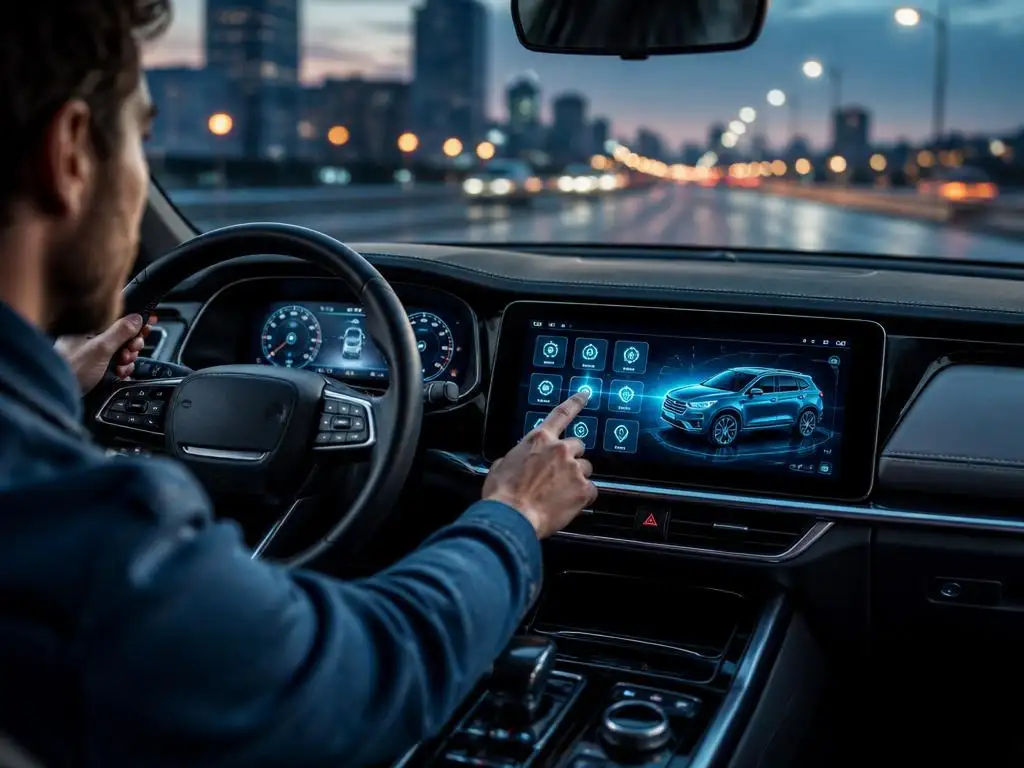
Buyers no longer evaluate new vehicles solely by horsepower, fuel economy, or interior leather quality. Instead, the modern car buyer prioritizes digital integration, looking closely at how the automotive operating system manages daily tasks. This software-driven brain coordinates everything from direct engine diagnostics to real-time navigation seamlessly.
Choosing the wrong platform can lead to frustrating latency, obsolete apps, and a disjointed driving experience over time. Conversely, a modern system transforms your daily commute into an intuitive, connected journey. Discover how this underlying technology shapes safety, convenience, and resale value before you sign your next vehicle contract.
What makes a modern car platform run smoothly?
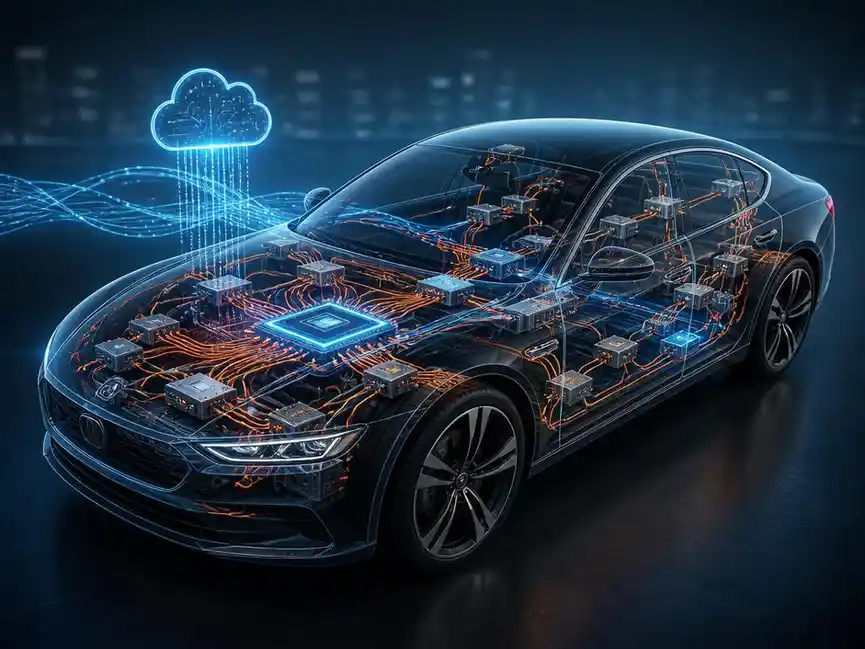
Inside every modern vehicle lies a complex web of electronic control units that require precise orchestration. This is where the central software layer takes charge, acting as a traffic controller for massive data streams. It bridges the gap between mechanical hardware and digital interfaces, ensuring every command executes instantly.
A well-designed platform optimizes memory allocation and processor usage to prevent critical screen freezes during navigation. When you adjust the climate controls or toggle driver assistance settings, the system prioritizes these safety-critical inputs over entertainment features. This sophisticated prioritization keeps the journey safe while maintaining a responsive digital environment.
Furthermore, compatibility with external devices remains a major benchmark for modern driver satisfaction. Drivers expect their smartphones and wearable technology to sync effortlessly without requiring tedious manual configurations. A robust digital foundation enables this seamless integration, turning the cabin into a functional extension of your digital lifestyle.
The battle between proprietary and open source software
Automakers face a crucial strategic decision when developing their next-generation vehicle platforms. They must choose between building custom proprietary systems or adopting open-source frameworks like Android Automotive. This decision heavily influences how quickly a car brand can deploy vital software patches and introduce fresh, innovative features.
Proprietary platforms grant manufacturers complete control over their branding, data collection, and unique styling elements. However, keeping these custom systems updated requires massive engineering resources and continuous long-term financial investment. Without ongoing development, proprietary setups risk falling behind the rapidly evolving standards set by mainstream consumer electronics.
On the other hand, open-source structures offer access to a vast, pre-existing ecosystem of global developers. This collaborative approach dramatically reduces development cycles and allows brands to deliver highly reliable applications. Consequently, consumers enjoy faster response times and a wider array of services without sacrificing manufacturer-specific customization.
Why Android Automotive is dominating the market
Google has steadily positioned its platform as a premier choice for major global vehicle manufacturers. Unlike simple phone mirroring systems, this built-in engine runs directly on the car’s hardware. This means drivers do not need to connect their phones to access core navigational tools or custom cabin configurations.
The ultimate benefit for everyday drivers is the immediate, native access to trusted mapping and voice-assistant technologies. This deep integration allows the vehicle to calculate battery charging stops along your route based on real-time energy usage. The resulting infotainment experience feels unified, highly intuitive, and remarkably fast compared to older, fragmented legacy designs.
Furthermore, the platform’s robust developer portal ensures that popular music, podcast, and messaging applications remain continuously updated. Car manufacturers can customize the visual skin, preserving their unique brand identity while leveraging a reliable software foundation. This strategic flexibility makes it an exceptionally appealing choice for both engineers and modern consumers.
How Linux-based systems ensure platform security
Security remains a paramount concern as vehicles become increasingly connected to global digital networks. Linux-based platforms provide a highly secure foundation, utilizing robust partitioning to isolate critical driving functions from entertainment utilities. This structural separation prevents an online media application from ever interfering with steering or braking controls.
The open-source nature of Linux allows thousands of global security researchers to continuously identify and patch vulnerabilities. This rapid response mechanism keeps the vehicle’s defense systems resilient against emerging cyber threats. Manufacturers can confidently deploy these systems knowing they rely on thoroughly tested, enterprise-grade architecture worldwide.
Additionally, the lightweight design of Linux enables it to run efficiently on varied automotive computer chips. This efficiency reduces hardware costs for manufacturers while ensuring rapid boot times when the driver starts the car. Ultimately, this leads to a highly dependable system that prioritizes driver safety above all else.
🛡️ Core Security Principles of Modern Car OS
- Strict Partitioning: Complete isolation of critical safety ECUs from infotainment data pipelines.
- Continuous Patching: Rapid deployment of security updates to neutralize emerging digital vulnerabilities.
- Optimized Hardware: Efficient code design that boots instantly and operates reliably under extreme conditions.
Why is software stability crucial for vehicle safety?
When a smartphone operating system crashes, it represents a minor inconvenience for the average user. However, a software failure in a moving vehicle can lead to catastrophic consequences on the highway. Modern cars rely on software to coordinate advanced driver assistance systems, automatic braking, and lane-keeping steering corrections.
Therefore, developers must subject automotive software to rigorous, multi-layered quality assurance testing before deployment. This meticulous engineering focus ensures that safety-critical processes always receive maximum CPU priority, even during heavy graphical rendering. Regular audits of these complex systems are absolutely essential, similar to how businesses evaluate their digital visibility through a local marketing analysis to ensure error-free performance.
Furthermore, backup redundancy systems are integrated into the vehicle’s architecture to handle unexpected runtime errors. If the primary display interface fails, secondary microprocessors instantly take over to show vital speed and warning indicators. This deep layer of protection guarantees that the driver always remains fully informed during mechanical operations.
The impact of over-the-air updates on vehicle value
Historically, a vehicle’s technology became obsolete the moment it rolled off the dealership showroom floor. Today, the introduction of over-the-air updates has completely transformed the traditional automotive ownership lifecycle. Manufacturers can now deploy performance enhancements, fix software bugs, and introduce entirely new cabin features completely remotely.
This continuous evolution helps preserve the resale value of modern vehicles over years of active use. Instead of degrading, your car can actually gain new capabilities, such as optimized battery thermal management or improved driver assistance features. This dynamic capability makes the purchase feel more like an evolving asset than a rapidly depreciating machine.
Maintaining these remote updates requires a highly secure and dependable digital infrastructure back-end. Just as developers check software performance, local agencies learn how to evaluate platforms to optimize their ongoing system integrity. This rigorous monitoring ensures that remote firmware updates never compromise critical vehicle safety or operational functions.
Over-The-Air (OTA) updates are split into two categories: SOTA (Software-Over-The-Air) for infotainment, maps, and minor apps, and FOTA (Firmware-Over-The-Air) which updates safety-critical systems like engine maps, steering control, and battery management systems.
Managing the legal challenges of connected vehicles
As cars collect vast amounts of location, driving, and biometric data, legal scrutiny is intensifying. Automakers must carefully balance user convenience with strict international data privacy regulations and security compliance laws. Failure to protect sensitive customer data can result in massive fines and severe damage to brand reputation.
Additionally, determining liability in accidents involving automated driving software remains a complex regulatory challenge. When a vehicle operates on autopilot, legal frameworks must clearly distinguish between operator error and systemic software failure. These intricate legal frameworks around software intellectual property require specialized expertise, much like managing a legal business campaign in competitive markets.
To navigate these challenges, automotive manufacturers are establishing dedicated legal and cybersecurity compliance departments. These teams work alongside software developers to ensure that every code release complies with localized transportation laws. This proactive approach protects both the manufacturer and the end consumer from complex legal disputes.
User experience and the evolution of digital cockpits
The physical dashboard of the past has evolved into a fully interactive digital canvas. High-resolution screens now stretch across the entire cabin, offering customizable layouts tailored to individual driver preferences. This transformation places immense pressure on developers to design an interface that remains intuitive while minimizing driving distractions.
Achieving this balance requires careful consideration of typography, color contrast, and voice-command responsiveness. A poorly designed user interface can overwhelm drivers with excessive notifications, pull their eyes off the road, and increase cognitive fatigue. Therefore, modern designers utilize predictive menus to surface the most relevant functions based on driving conditions.
Additionally, physical tactile controls are making a strategic comeback alongside voice and touch inputs. Many manufacturers realize that drivers still prefer physical knobs for safety-critical adjustments like cabin temperature and volume. Blending physical ergonomics with sleek digital screens creates the ultimate modern cockpit experience for everyday drivers.
🧠 Quick Tip for Test Driving New Cars
When test-driving a modern vehicle, ignore the exterior design for ten minutes. Sit in the driver’s seat and try to enter a new navigation destination, adjust the climate control, and pair your phone using voice commands. If the interface lag frustrates you now, it will be unbearable over years of ownership.
How to choose a vehicle based on its software ecosystem
When evaluating your next vehicle purchase, it is vital to research the manufacturer’s long-term software commitment. Find out how often they release major system updates and whether they charge subscription fees for core services. A car with static, un-updatable software will feel outdated much faster than a dynamic platform.
Secondly, evaluate how well the system integrates with your existing digital services and smart home ecosystems. If you heavily rely on a specific virtual assistant, choosing a compatible system will make daily operations much easier. This continuity allows you to pre-condition your car’s cabin temperature using voice commands directly from your living room.
You should also test the system’s startup speed and touch response latency during your test drive. A system that takes several minutes to boot up can quickly become a major daily annoyance. Ensure that transitions between different menus are fluid and free from jarring visual stutters or delays.
Finally, pay close attention to the onboard navigation accuracy and the quality of local map databases. Reliable navigation is the cornerstone of any modern connected car, especially when tracking charging stations or real-time traffic. Selecting a vehicle with superior cloud-based routing will save you countless hours of travel frustration down the road.
📋 The Tech-Savvy Buyer’s Evaluation Checklist
How localized connectivity affects platform performance
A vehicle’s platform must function flawlessly even when driving through remote areas with zero cellular reception. To achieve this, developers must ensure that offline routing systems and core voice commands remain fully functional without active cloud connections. Relying too heavily on a continuous network stream can leave drivers stranded without basic features.
Modern designs address this limitation by storing critical local mapping data directly on the vehicle’s onboard storage. The system then updates this cache automatically in the background whenever high-speed network connections become available again. This hybridization ensures that navigation functions remain continuous and entirely accurate, regardless of regional network signal gaps.
Furthermore, low-latency localized processing is absolutely vital for real-time active safety features and driver alerts. The system cannot afford to wait for cloud confirmation before initiating emergency steering corrections or automatic braking commands. This localized processing priority ensures that response times remain faster than human reaction speeds during sudden roadway incidents.
The role of cloud computing in modern car systems
While localized computing handles critical functions, the cloud enables vast new capabilities for connected vehicles. By offloading complex processing tasks to remote data centers, cars can access sophisticated natural language processing and real-time traffic routing updates. This symbiotic relationship provides drivers with a highly responsive, continually adapting cabin experience.
Additionally, cloud connectivity allows manufacturers to collect valuable performance data from thousands of vehicles simultaneously. This fleet-wide feedback loop helps engineers identify subtle mechanical patterns or software errors before they can cause widespread issues. This proactive maintenance capability prevents costly vehicle recalls and ensures continuous improvements to the entire production lineup.
Cloud platforms also facilitate seamless integration with localized third-party applications, including localized parking finders and digital payment options. Drivers can reserve spots, pay toll road fees, and purchase fuel directly through their dashboard screens. This deeply integrated commerce layer turns the vehicle into a powerful tool for modern city transit.
The future of software-defined vehicles in daily transit
The concept of software-defined vehicles represents the next major evolutionary step for the global transportation industry. In these platforms, the physical hardware components are designed to be standardized, while all major capabilities are controlled through software. This allows manufacturers to radically alter how a vehicle behaves long after it leaves the assembly line.
For example, you could temporarily unlock extra range or performance capabilities for a weekend road trip via a simple download. This flexibility introduces highly customizable subscription models, allowing drivers to pay only for the specific features they actively use. It fundamentally shifts the relationship between the consumer, the vehicle, and the manufacturer over time.
Furthermore, these systems will play an essential role in orchestrating future autonomous driving networks. Self-driving shuttle fleets will rely on continuous data sharing to optimize traffic flow and prevent collisions in dense urban centers. This high level of cooperation requires an extremely reliable, unified platform capable of processing massive volumes of telemetry.
Ultimately, the cars of tomorrow will behave more like advanced computers on wheels than traditional mechanical assemblies. Embracing this shift early will help you make a smarter, more future-proof investment when purchasing your next vehicle. The digital environment inside your cabin is no longer a luxury feature; it is the heart of the modern drive.
