
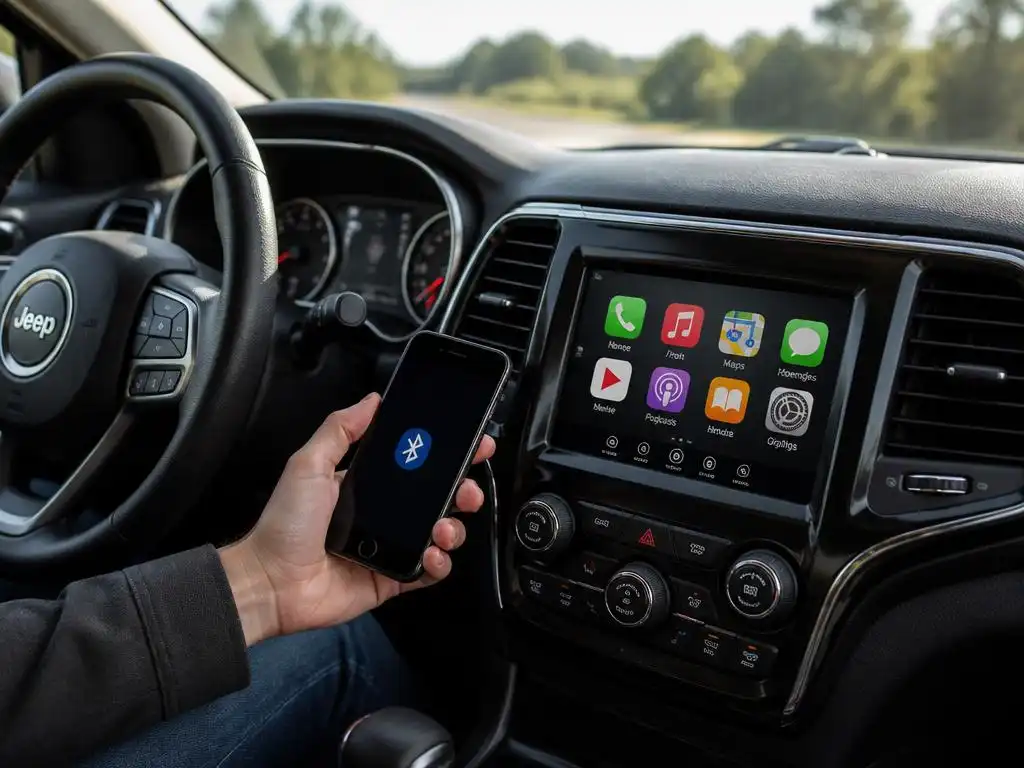
Modern vehicles have transformed how we interact with technology while on the road. Understanding how to connect phone to jeep uconnect is a fundamental skill for any driver seeking to access navigation, music, and hands-free communication. Sometimes, however, the digital handshake between your mobile device and your infotainment system fails to initiate properly. This guide focuses on diagnosing and resolving common synchronization barriers that prevent your hardware from communicating effectively. By following these structured troubleshooting steps, you can restore full functionality to your vehicle interface and enjoy a safer, more connected driving experience every time you travel.
When technical glitches occur, drivers often feel frustrated by the lack of immediate connectivity. Whether it is an unresponsive touchscreen or a failure to recognize your device, most problems stem from outdated software or minor configuration errors. Addressing these issues requires a systematic approach to verifying settings on both the automotive hardware and your personal smartphone. We will walk through the critical adjustments needed to establish a stable link. By ensuring your automotive infotainment system operates smoothly, you regain control over your digital environment and minimize distractions while navigating through busy city streets or open highways.
Is your software up to date?
The most frequent cause for pairing failure is an outdated system firmware. Manufacturers frequently release updates that improve compatibility with newer operating systems. Check the official portal to see if your vehicle requires a specific download. Ensuring your unit is running the latest version often resolves persistent errors that prevent successful synchronization during the initial handshake process.
Before diving into complex settings, always start by performing a hard reset of your infotainment unit. Many electronic modules become stagnant after prolonged usage, leading to internal cache errors. Turning off your vehicle completely, opening the door to kill power to the screen, and waiting for two minutes often clears temporary memory faults. This simple physical power cycle remains one of the most effective ways to refresh the communication protocols and allows your phone to discover the system again without conflict or latency issues appearing.
Bluetooth signal interference represents another hurdle that users frequently encounter during daily operation. If you have multiple devices attempting to pair simultaneously, the system might reject your request to maintain stability. Disable Bluetooth on nearby tablets or smartwatches that might be pulling the signal. Once your car finds only your phone, the pairing request should proceed without interruption. Keeping your environment clear of competing radio frequency signals helps the handshake succeed in busy areas where many other active devices could potentially cause unwanted signal congestion.
💡 Quick pairing checklist
- Delete old profiles from the vehicle and the phone settings.
- Ensure both devices are discoverable to surrounding hardware units.
- Check for any pending operating system updates on your smartphone.
- Reset the Bluetooth module by toggling the airplane mode setting.
- Verify the passcode entry matches on both screen interfaces exactly.
When persistent errors occur, you may need to consult specialized resources for complex electrical issues. Much like diagnosing specific electronic diagnostic codes, your vehicle requires a clean slate to function properly. Remove all previous pairing history from the memory bank of the infotainment console. Navigate to the device manager menu, identify your old phone profile, and delete it entirely. After clearing the cache, restart the pairing process from scratch as if the device had never been introduced to the car system before, ensuring a clean, fresh connection attempt.
Security settings on modern smartphones are designed to protect user data, but they can occasionally block external requests from vehicle systems. Navigate to the privacy settings on your mobile phone to grant the infotainment system necessary permissions for contacts, call history, and media playback. If these permissions are denied, the phone will remain disconnected even if the Bluetooth link appears active. Ensuring all authorization prompts are accepted during the initial pairing sequence is vital for complete integration with your car’s built-in features, enabling hands-free calling and music streaming controls.
Advanced hardware connectivity tips
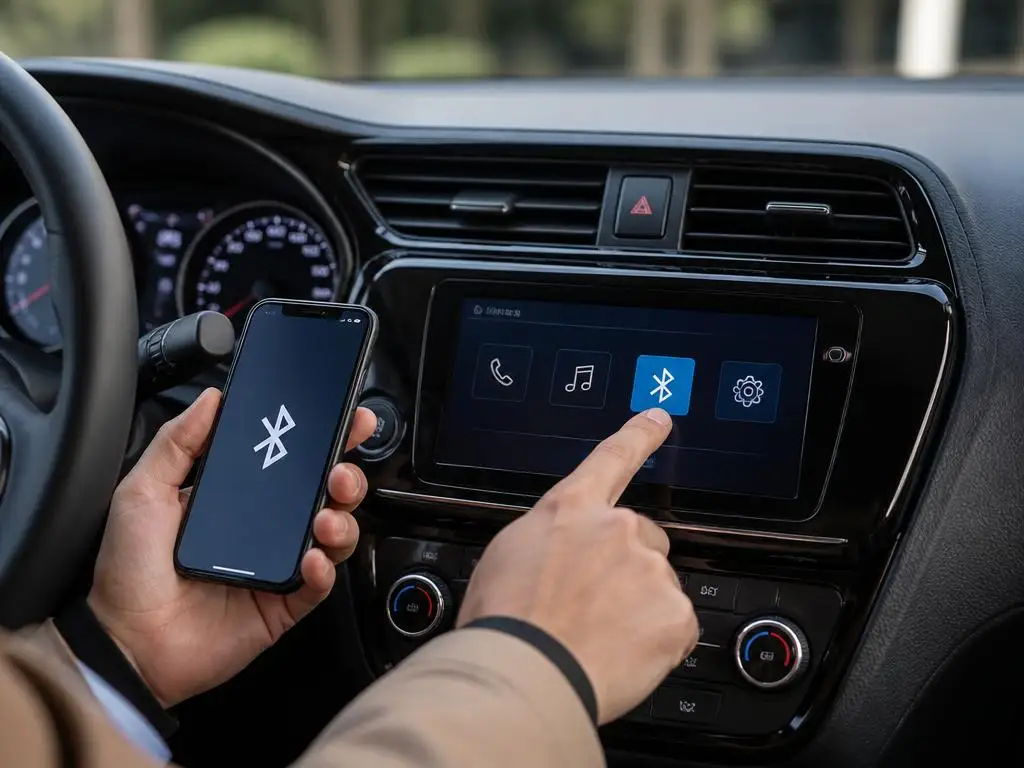
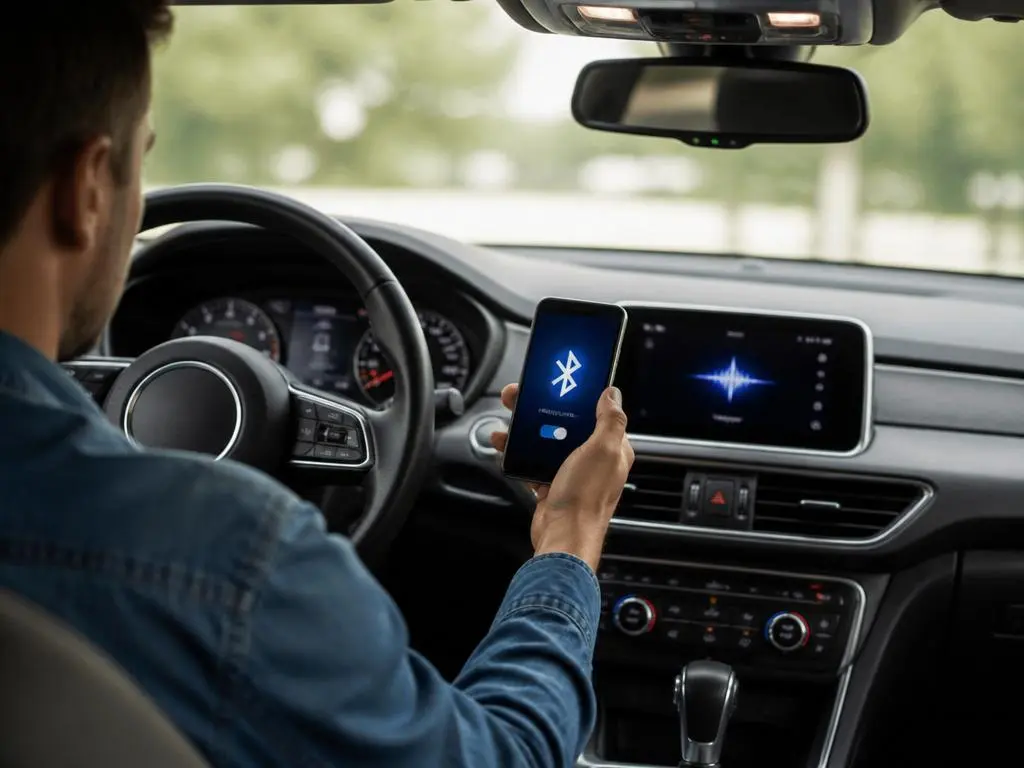
If you find that standard wireless methods fail, consider examining your cable connection. Using a high-quality, manufacturer-certified USB cable is essential for stable data transfer. Much like the precision required for a professional screen repair, physical integrity of your connection hardware matters. A damaged port or cable will lead to intermittent drops, causing the system to lose synchronization during your drive. Always test with a brand-new cable to eliminate physical wear as a potential culprit for your ongoing connectivity troubles, ensuring your hardware remains reliable.
Professional technicians often suggest checking the background app activity on your mobile device as well. Certain battery-saving modes can restrict Bluetooth functionality to conserve energy, inadvertently disabling the signal needed to stay connected to your car. Review your battery optimization settings and ensure your car’s connectivity application is set to remain active in the background. This simple adjustment prevents the operating system from killing the connection process, providing a consistent experience while you are commuting or going on long road trips that require reliable access to digital navigation tools.
Understanding these systems opens up opportunities in the tech industry, perhaps even leading to career paths in electrical technology. The integration of mobile device integration is a massive field, requiring expertise in both software logic and physical hardware connections. By mastering these troubleshooting steps, you are essentially learning the basics of system communication. Whether you are fixing your own car or building a career around these sophisticated platforms, the ability to diagnose and repair digital links is an increasingly valuable skill in our highly interconnected world of modern automotive engineering.
⚠️ Important warning
Never attempt to troubleshoot your vehicle infotainment settings while the car is in motion. Always perform these configurations when the vehicle is in park and in a safe, stationary location. Distracted driving is a significant hazard, and your focus should remain entirely on the road. If the issues persist after trying these steps, consider visiting a certified dealer to have your hardware inspected by a professional who can run internal diagnostics on the main control unit to rule out actual hardware failure.
Finally, keep in mind that hardware compatibility changes as mobile software evolves rapidly. If your phone has recently undergone a major operating system update, it might temporarily lose compatibility with older vehicle software versions. If nothing else works, try connecting a different phone to see if the issue is isolated to your specific handset. This comparative test is the fastest way to confirm whether the fault lies within your device settings or the vehicle console itself. Once identified, you can narrow down the solution and enjoy a seamless, stress-free driving experience with full connectivity.
