

Public health protection relies heavily on the universal guidelines known as the food code. This comprehensive document serves as a foundational model for agencies to develop regulations that ensure consumer safety across the industry. By standardizing practices, authorities aim to mitigate risks associated with foodborne illnesses while maintaining consistency in retail and food service environments. Understanding the history of this regulatory framework is essential for professionals navigating the complexities of modern safety standards. The development of these protocols has evolved through decades of collaborative effort between scientific research bodies and governmental organizations dedicated to safeguarding the general population.
While the responsibility for enforcement often falls on local jurisdictions, the actual creation of the food code remains a centralized federal effort. These guidelines are meticulously crafted to reflect the latest science in microbiology and hygiene. By focusing on cross-contamination prevention and proper temperature control, the document acts as a safeguard. Stakeholders in the hospitality and catering sectors frequently integrate these standards to maintain operational excellence and meet legal requirements. This article explores the origins of these essential regulations and examines how they influence daily operations for businesses striving to achieve peak hygiene standards.
Historical context of the food code development
The institutional origins of the current standards date back to early twentieth-century attempts to unify state regulations. Before the existence of a cohesive national model, each state operated under disparate laws, creating significant hurdles for interstate commerce. The Food and Drug Administration took the lead, recognizing that a unified approach was necessary to effectively combat pathogens. By drafting a document that could be adopted voluntarily by states, they created a dynamic tool. This model serves as an effective operational framework for businesses looking to streamline their internal safety protocols while maintaining transparency with their customers and local inspectors.
The creation process involves rigorous peer review and public comment periods. Experts from various fields, including food science, epidemiology, and public health policy, contribute their knowledge to ensure the guidelines remain robust. This collaborative model ensures that the regulations do not remain stagnant but adapt to new industry trends. Because these standards are updated periodically, businesses must stay vigilant regarding compliance. Those who effectively manage their regulatory obligations often find that implementing these practices leads to a more professional environment, which is highly appreciated by patrons who prioritize transparency and safety in their dining experiences.
How does the food code influence industry standards?

Beyond simple compliance, the regulatory model dictates the behavioral expectations for workers in the field. Handwashing protocols, storage temperatures, and equipment maintenance schedules are all derived from these specific guidelines. By following these rules, managers can significantly reduce the liability associated with potential health violations. It acts as the industry benchmark for what is considered safe practice. Furthermore, establishments that master these basics often discover that they can better manage their resources, reducing waste and improving the efficiency of their kitchen operations through standardized procedures and consistent safety monitoring.
Key elements within the current regulatory model
The document is divided into comprehensive chapters addressing critical points like personnel health and sanitation. It emphasizes the need for a person in charge who oversees daily adherence to these rules. By empowering managers to enforce these standards, the framework ensures that safety is prioritized even during peak hours of operation. This level of oversight is crucial for businesses that utilize modern communication solutions to coordinate staff efforts, ensuring that every team member remains informed about current hygiene mandates throughout their shifts, regardless of the complexity of the service environment or the volume of orders processed daily.
Adopting these standards provides a clear roadmap for organizations to follow. It simplifies the training process for new hires, as there is a singular, authoritative source for all safety inquiries. When every team member understands the logic behind the regulations, the culture of safety improves dramatically. It is no longer just about following rules but understanding the reasoning behind the protection of public health. This shift in perspective is what separates high-performing establishments from those struggling with recurring violations or inconsistent health inspection scores that can jeopardize the long-term reputation of the enterprise.
Why is the food code updated periodically?

Science is constantly evolving, and so must the regulatory environment. New discoveries in food-borne pathogen behavior require adjustments to time and temperature requirements. By updating the guidelines, the authorities ensure that the strategies used remain relevant against emerging risks. This iterative process is vital for the long-term success of the industry. Professionals should periodically review the latest versions of these documents to ensure their internal manuals remain up to date. Staying ahead of these changes is a proactive approach that safeguards the brand and demonstrates a genuine commitment to the health of the public.
Core benefits for modern food service entities
- Enhanced reputation through consistent safety compliance and rigorous monitoring.
- Reduced risk of liability and fewer potential legal challenges over time.
- Improved operational efficiency by utilizing standardized and proven procedures.
- Better training resources that empower staff to maintain higher hygiene standards.
- Increased trust among consumers who value high-quality and safe preparation.
The regulatory framework also addresses the unique challenges of different business models. Whether it is a small kiosk, a large restaurant, or a mobile unit, the guidelines provide scalable solutions. This flexibility ensures that the regulations do not become overly burdensome for smaller operations while still maintaining stringent oversight for larger organizations. By leveraging digital marketing strategies or tech-driven management, owners can often integrate these safety requirements into their daily branding efforts, demonstrating to their clients that they are not just compliant, but dedicated to excellence in every single aspect of their service and food delivery.
Common misconceptions about food code enforcement
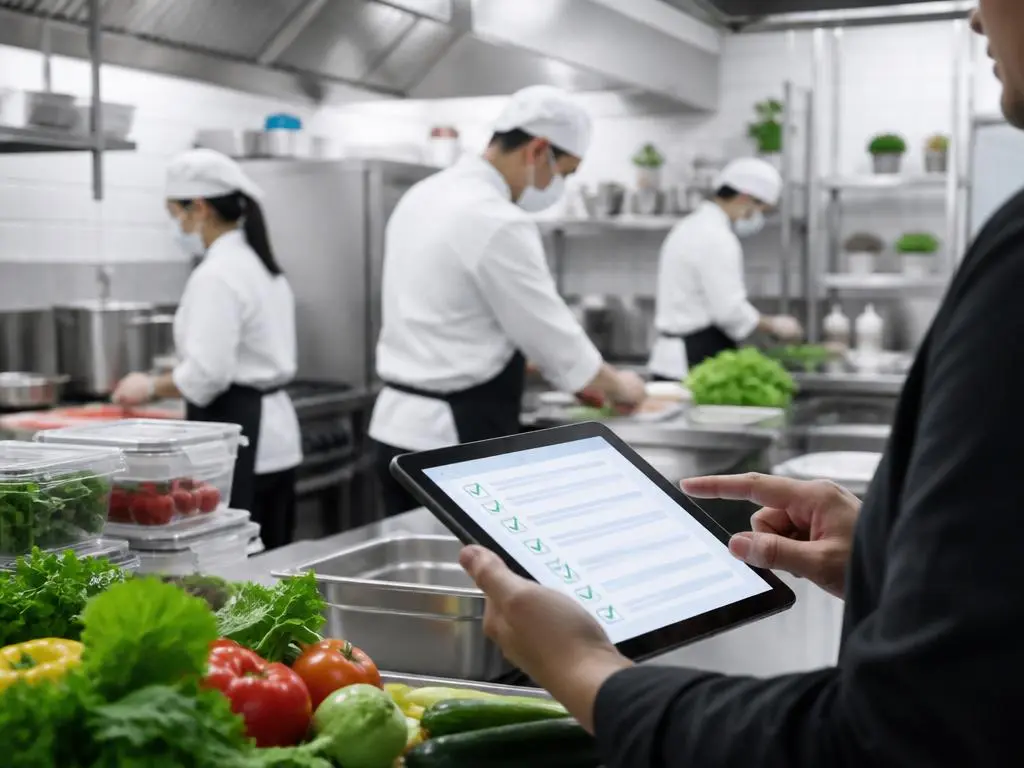
Many believe the federal government directly inspects every establishment, but this is rarely the case. Enforcement is handled primarily by local health departments that adopt the model guidelines. Understanding this distinction is important for operators who need to know which specific office governs their location. Local health departments may have additional amendments based on regional climate or specific community needs. Therefore, operators should never rely solely on federal documents; they must coordinate with their local authorities to ensure full compliance with specific regional requirements that might exceed standard federal recommendations.
Compliance success requires more than just reading the manual; it requires active implementation. Establishments that designate a safety coordinator often see better results during inspections. This role involves constant vigilance, including verifying refrigerator temperatures, confirming that staff follows sanitization schedules, and ensuring that training logs are updated. By making these habits part of the company culture, the establishment becomes a safer place for everyone. Consistent review of the documentation is the best way to avoid common pitfalls that lead to citations and public health notices that could damage a company’s standing in the local market.
Finally, the evolution of these regulations remains a testament to the importance of public-private cooperation. The input from industry leaders ensures that the rules are practical, while the guidance from public health experts ensures they remain safe. This delicate balance creates a system that benefits everyone: the government, the business owners, and the consumers. By appreciating the history and the ongoing development of these codes, stakeholders can better position themselves for long-term growth and success. Keeping safety at the forefront of the business model is the surest way to build a brand that is both profitable and respected by the community.
Looking toward the future, the integration of smart technology in kitchens will likely influence how these codes are applied. Automated monitoring systems can now log temperatures in real-time, providing an audit trail that was once impossible to maintain manually. These advancements allow managers to focus on high-level strategy rather than constant record-keeping. As the industry continues to innovate, the regulatory framework will adapt, incorporating these new tools to ensure that safety remains high. Embracing these changes is essential for any modern organization that wants to remain competitive while protecting their most important asset: their reputation for excellence.
