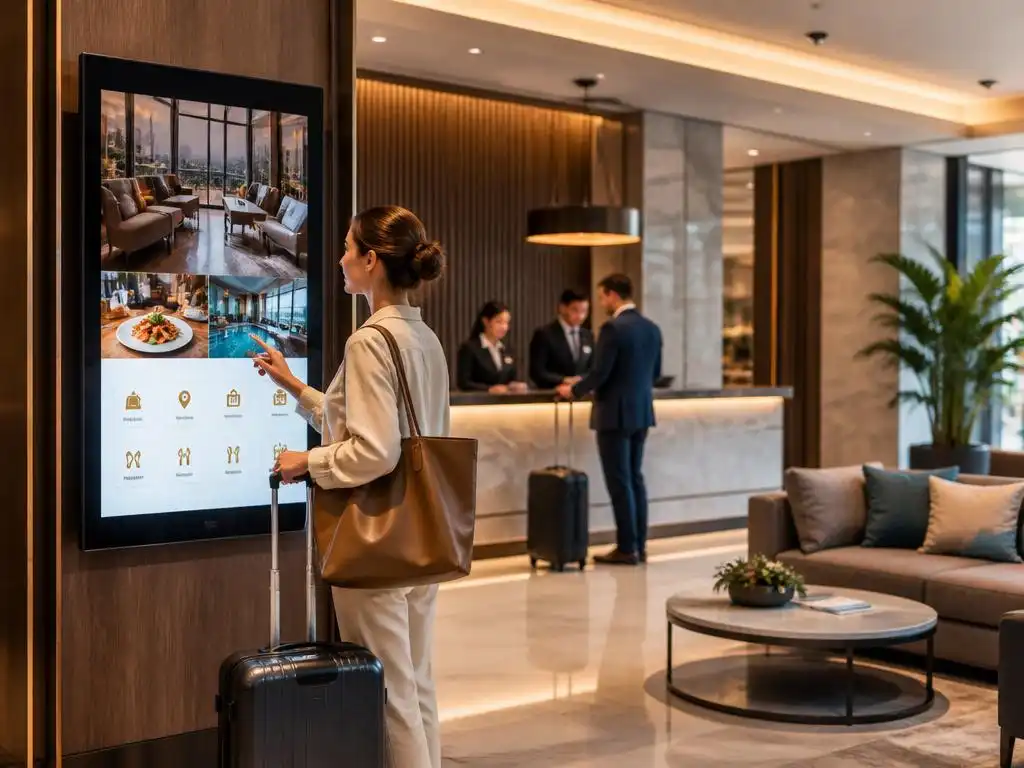
Implementing effective hospitality digital signage is a transformative step for modern hotels looking to enhance guest experiences. By utilizing dynamic screens, properties can provide real-time updates, personalized greetings, and interactive information that simplifies navigation for visitors. This technology bridges the gap between traditional service models and contemporary digital expectations, ensuring that communication remains fluid and professional across the entire facility. As competition in the lodging industry continues to intensify, leveraging these smart displays becomes a necessity for those aiming to maintain high occupancy rates while simultaneously improving the overall satisfaction levels of their international clientele throughout the stay.
Beyond simple messaging, these solutions serve as powerful tools for upselling amenities, promoting local events, and highlighting exclusive hotel services. By strategically placing screens in lobbies, elevators, and dining areas, managers create a cohesive ecosystem that guides guests through their journey with ease. This integration requires careful planning, from hardware selection to content management systems, to ensure that the visual output matches the brand identity. By adopting a proactive approach to digital communication, properties can elevate their status, fostering loyalty and encouraging repeat business through high-quality, relevant interactions that resonate with the modern, connected traveler of today.
Core benefits of visual communication
- Increased engagement through real-time dynamic content updates.
- Enhanced brand consistency across various guest touchpoints.
- Reduced perceived wait times in lobby and reception areas.
- Effective upselling of premium services and local experiences.
Improving guest communication through display tech
The core objective of utilizing display networks in a hotel is to streamline information flow. When guests arrive, they often seek quick data regarding dining options, spa availability, or shuttle schedules. Providing this via digital screens allows staff to focus on complex service tasks while automated systems handle routine inquiries efficiently. This balance ensures that operational workflows remain optimized, leading to a smoother front-desk experience for both employees and guests during peak hours of operation.
Furthermore, these digital interfaces allow for seamless transitions between different types of content throughout the day. Morning displays can focus on breakfast specials and weather updates, while evening content might transition to lounge promotions or live entertainment schedules. Such adaptability is vital in maintaining the relevance of information. If you are managing complex tech ecosystems, you might scale your project strategically to integrate various software solutions that enhance overall administrative performance and guest engagement levels across your digital infrastructure.
Choosing the right hardware for your property
Selecting appropriate hardware is a critical phase in deploying hospitality digital signage. Screens must be durable enough to operate continuously, often in high-traffic areas where they might be prone to physical contact. High-definition panels with anti-glare coatings are essential for maintaining visibility in naturally lit lobbies. Additionally, the mounting solutions should reflect the aesthetic design of the hotel, ensuring that technology complements rather than disrupts the interior atmosphere of the building or the surrounding architecture.
Connectivity is another pillar of a reliable system. Wired ethernet connections are generally preferred over Wi-Fi to prevent intermittent signal drops. For those integrating advanced audio visual systems, you might encounter technical hurdles similar to how one might fix sound issues in home entertainment setups. Ensuring that your digital display network is robust and stable is paramount to avoid downtime, which can negatively impact the perception of professionalism and convenience that your guests expect during their stay at your luxury establishment.
💡 Expert deployment tips
Always conduct a thorough site survey to identify high-traffic zones. Placing screens at eye level near elevators ensures maximum viewership without causing congestion. Remember to test your content management system under load to confirm that media files play back smoothly without buffering or errors in the transition sequences.
Crafting engaging content for maximum impact
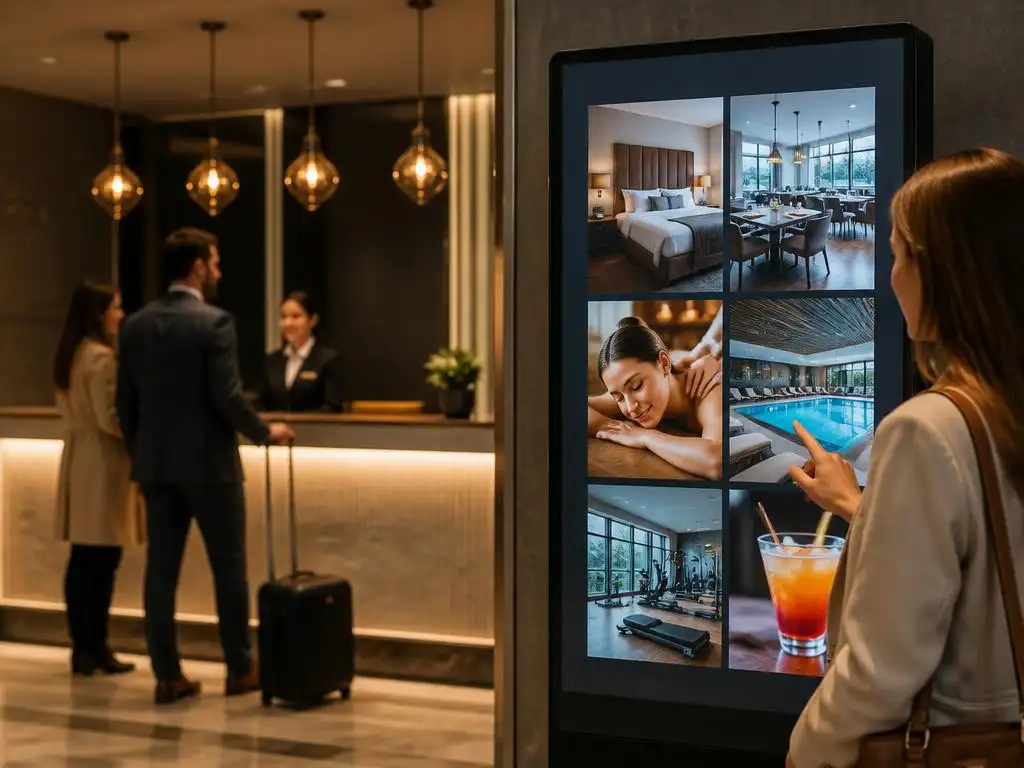
Content is the lifeblood of your visual strategy. It should be visually stimulating, brief, and highly relevant to the viewer. Avoid long strings of text; instead, use high-quality imagery, short videos, and intuitive infographics to convey messages. The goal is to capture attention within seconds, leaving a lasting impression that encourages guests to explore the services or amenities being showcased on the screen during their stay.
Customization is key to standing out. Using data-driven content, such as personalized welcome messages for conferences or specific floor maps for events, demonstrates a high level of attention to detail. Just as you might refine your media experience when you connect to speakers to achieve perfect audio quality, your digital signage should be tuned to provide the perfect visual narrative. This level of customization fosters a sense of belonging and elevates the perceived value of your hospitality brand significantly in the minds of travelers.
Strategic content scheduling
Create a content calendar that aligns with your operational needs. Use automated triggers to display specific information during holidays, conventions, or local festivals. By keeping the information fresh and updated, you ensure that guests continue to engage with your displays rather than ignoring them as static wallpaper, effectively boosting your internal marketing reach.
Managing technical maintenance and updates
A digital display network is not a set-it-and-forget-it solution. It requires regular maintenance, including software updates and hardware checks, to keep the system running. If a screen goes dark or displays an error, it reflects poorly on the property. Maintaining a proactive schedule for firmware updates helps prevent unexpected failures, keeping your communications clear and reliable for all your visitors throughout the year.
Staff training is also essential. Front-desk personnel should know how to perform basic troubleshooting if a connection drops, much like a user might need to fix remote connectivity when managing their own devices. Providing simple documentation and access to technical support lines ensures that your team feels confident managing these tools. When technology works in harmony with human service, the guest experience becomes seamless, professional, and consistently high-quality, solidifying your reputation in the competitive hospitality market.
The future of interactive hotel signage
As we move forward, the integration of artificial intelligence will further personalize the experience. Future signage could recognize guest preferences via mobile apps or loyalty profiles, displaying tailored suggestions the moment a guest approaches the screen. This level of advanced digital integration creates a bespoke environment that makes guests feel valued. By staying ahead of these trends, hotels can leverage innovative technology trends to set themselves apart from traditional competitors, ensuring they remain at the forefront of the hospitality industry for years to come.
Interactive kiosks also represent a growing segment, allowing guests to book excursions, order room service, or check out without human intervention. While these features do not replace the warmth of human hospitality, they provide essential convenience for the modern traveler. Integrating these sophisticated display solutions successfully allows your staff to focus on high-value interactions, creating a perfect balance between efficiency and personalization. Ultimately, the future of this sector lies in creating smart spaces that feel welcoming, intuitive, and perfectly aligned with the needs of every guest who walks through your doors.
Summary of key implementation steps
- Define specific goals for your display network.
- Select durable, high-visibility hardware components.
- Install a reliable, cloud-based management platform.
- Develop a diverse and dynamic content library.
- Train staff on daily monitoring and simple troubleshooting.
Consistent evaluation of your signage performance is the final step in maintaining success. Analyze which content types generate the most engagement and adjust your strategy accordingly. Feedback from guests can provide invaluable insights into whether the current information is useful or if changes are needed. By fostering an efficient digital environment, you ensure that your property remains modern, responsive, and ready to meet the evolving demands of the global travel market, guaranteeing that your guests always have the information they need to have an exceptional stay from arrival to departure.
Ultimately, investing in modern signage infrastructure is about more than just aesthetics; it is about building a better communication bridge between the hotel and the guest. Every screen is an opportunity to tell your brand story and provide immediate value. When executed correctly, the return on investment extends beyond mere operational efficiency; it creates a lasting positive impression that guests carry with them. By embracing these digital tools, you are positioning your property to succeed in a digital-first world while maintaining the core values of hospitality that define excellence in the modern era.

Commentaires désactivés