
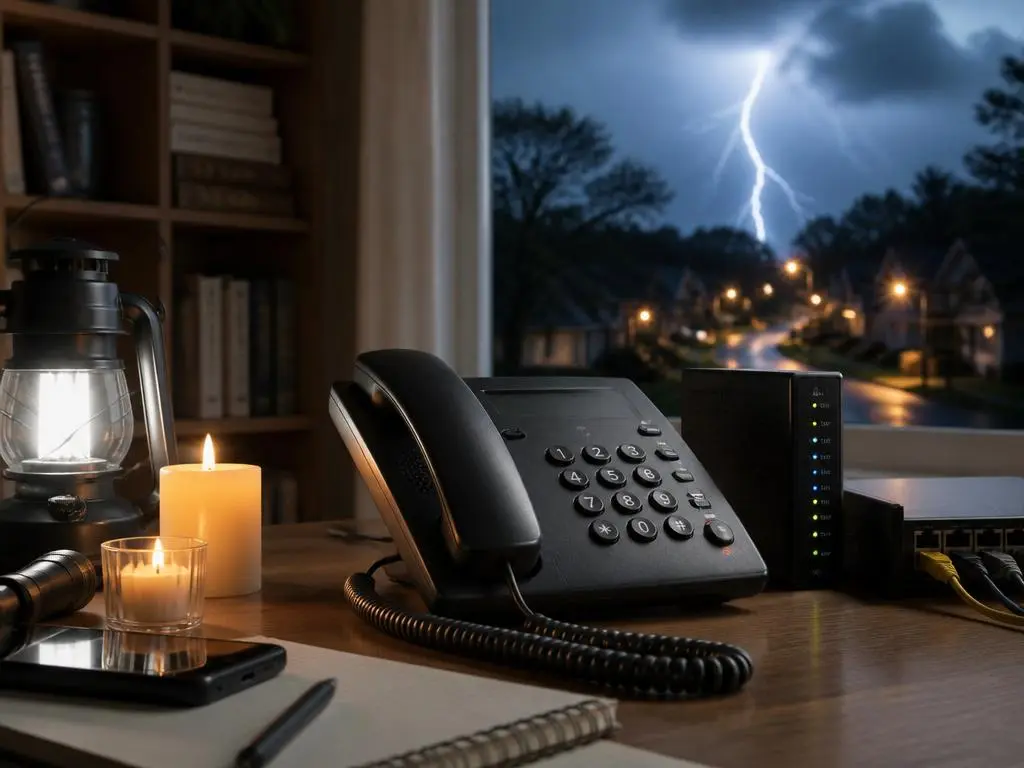
Many homeowners often wonder whether a landline phone need electricity for calls during an unexpected power outage. While modern telecommunications have evolved significantly, the basic operation of traditional telephony relies on a complex infrastructure that typically provides its own energy. Understanding how your home connection functions is essential for maintaining constant communication with emergency services or family members. By exploring the underlying mechanics, you can better prepare your household for utility disruptions and ensure your device remains operational when the grid fails or during severe weather conditions affecting your local area.
Beyond traditional wires, current digital configurations have changed how we perceive fixed-line connectivity in our daily lives. Many users now utilize VoIP services or fiber-optic connections that differ fundamentally from the legacy copper networks of the past. If you are researching efficient phone systems for your organization or home, it is vital to distinguish between powered internet-based equipment and passive analog setups. This guide clarifies these differences, helping you navigate your options while ensuring your chosen communication method stays active, regardless of the electricity supply status in your immediate environment.
💡 Key insights at a glance
- Analog phones draw power directly from the exchange line.
- Digital and VoIP systems require an active power source to operate.
- Battery backups are often necessary for modern home phone bases.
- Legacy copper lines remain the most reliable during blackouts.
Understanding analog and digital line power differences
The traditional landline, often referred to as a POTS line, operates on a unique principle where the telephone exchange provides low-voltage DC electricity. This design ensures that your handset stays functional even when your home electricity is completely disconnected. The network itself carries both voice signals and the energy required to ring the bell, providing a robust, standalone utility that serves as a cornerstone for reliable communication in rural or disaster-prone areas.
Conversely, digital systems and fiber-optic services require an active interface box, commonly known as an ONT, which must be connected to an electrical outlet. Without power, these devices cannot process the incoming data stream, rendering your phone service silent until the utility company restores supply. This shift necessitates a thoughtful approach to planning for connectivity, especially when businesses explore modern strategies to maintain seamless engagement with clients or guests even during technical failures or infrastructure maintenance periods.
Does a landline phone need electricity for calls with VoIP?
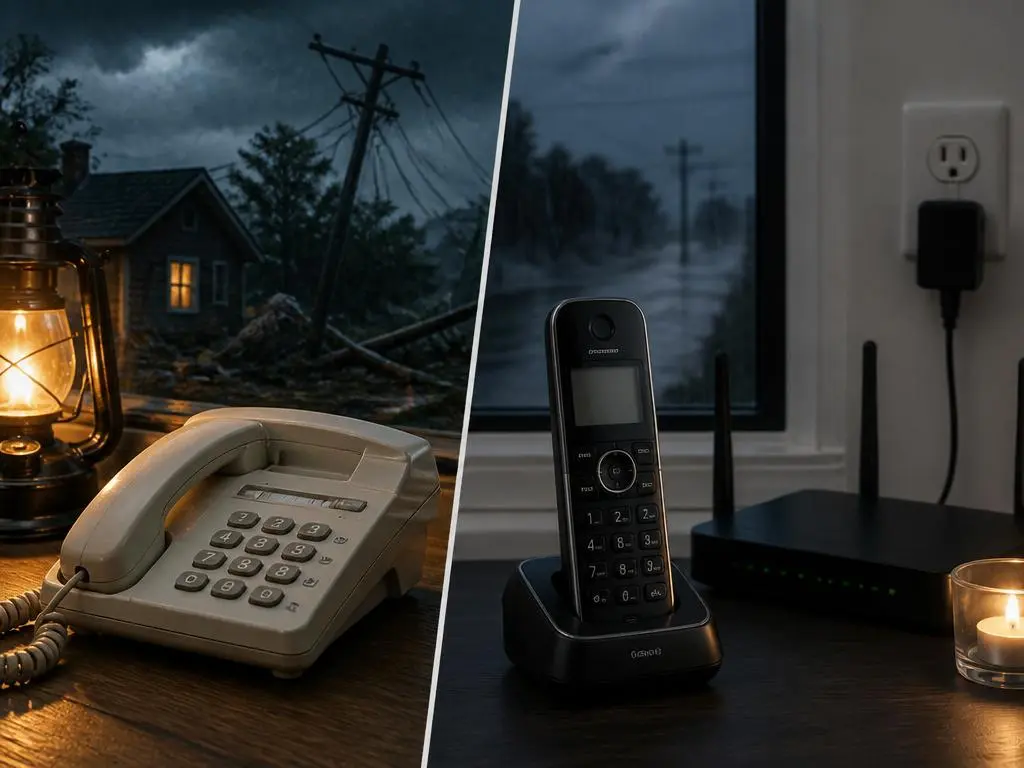
Voice over IP technology, or VoIP, has largely replaced traditional copper wires in many urban centers. This system routes your voice data over the internet, meaning the phone is essentially another device on your network. Consequently, your router, modem, and any associated base stations absolutely require a constant flow of electricity to establish a link to the provider’s server. If your hardware loses power, your landline-style phone will effectively cease to function, making it impossible to place or receive calls until the system reboots.
To mitigate this risk, many consumers invest in Uninterruptible Power Supplies (UPS) or integrated battery backup units designed to keep networking hardware running during brief outages. If you are searching for the right setup, consider how you might choose marketing agencies or technical consultants who understand the integration of these systems. Proper planning ensures that your digital infrastructure is resilient enough to handle power drops without completely severing your ability to communicate with the outside world during emergencies.
⚠️ Important safety considerations
Always test your backup systems periodically to ensure they hold a charge. Relying solely on a digital phone line for emergency calls without a secondary mobile option or a portable power station may leave you vulnerable during a total power grid shutdown. Check your equipment manuals for specific power requirements.
Infrastructure reliability for modern home phone lines
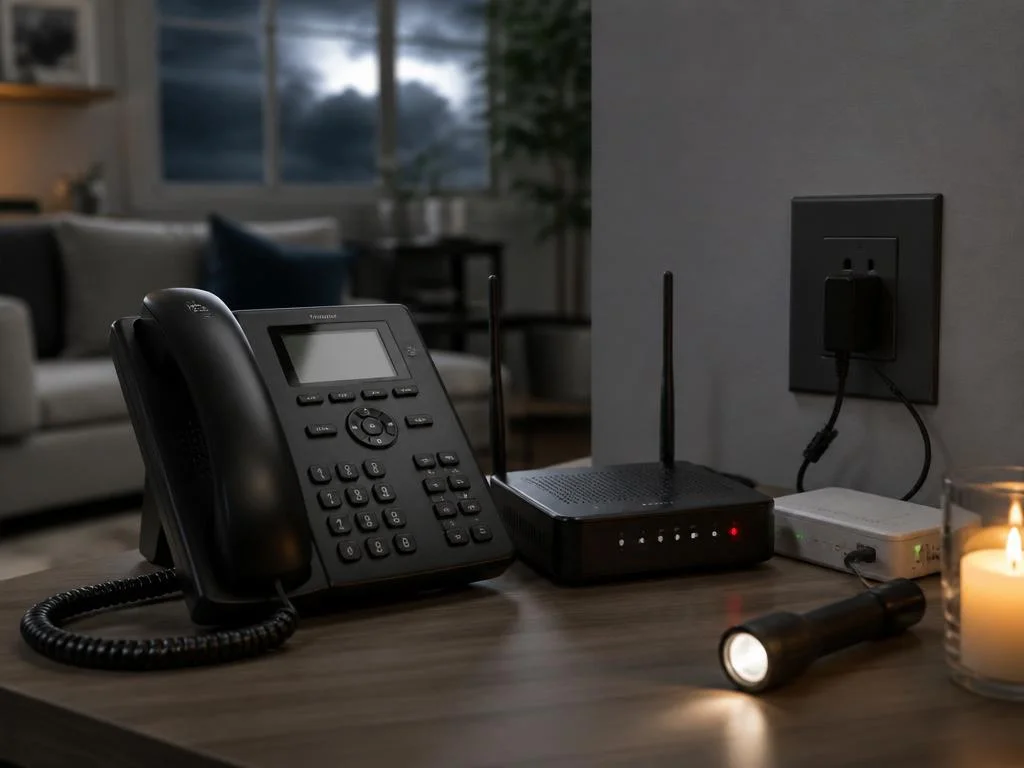
The question of whether a landline phone need electricity for calls is ultimately answered by the type of technology installed in your home. Traditional copper wires are remarkably resilient, powered by central office batteries that are monitored and maintained by your utility provider. These legacy networks are designed specifically to withstand environmental challenges, offering a level of dependability that remains unmatched by most modern, internet-dependent voice services found in the current competitive market.
However, telecommunications companies are progressively retiring old copper infrastructure in favor of faster, fiber-based solutions. While these updates offer higher bandwidth for data and clearer voice quality, they sacrifice the passive power reliability of old-fashioned telephones. Transitioning to these services requires homeowners to become more proactive about their own power management. By integrating simple UPS devices, you can replicate the reliability of older systems while enjoying the high-definition audio features that come with today’s advanced telecommunication networks and residential digital hardware platforms.
✅ Pro-tip for stability
Keep a basic, corded analog phone in your storage. Even if your primary system is digital, many telephone wall jacks still have the capability to route an analog signal if you still possess a physical copper line. A simple, low-power corded device requires no extra wall power to operate correctly.
Managing connectivity during environmental outages
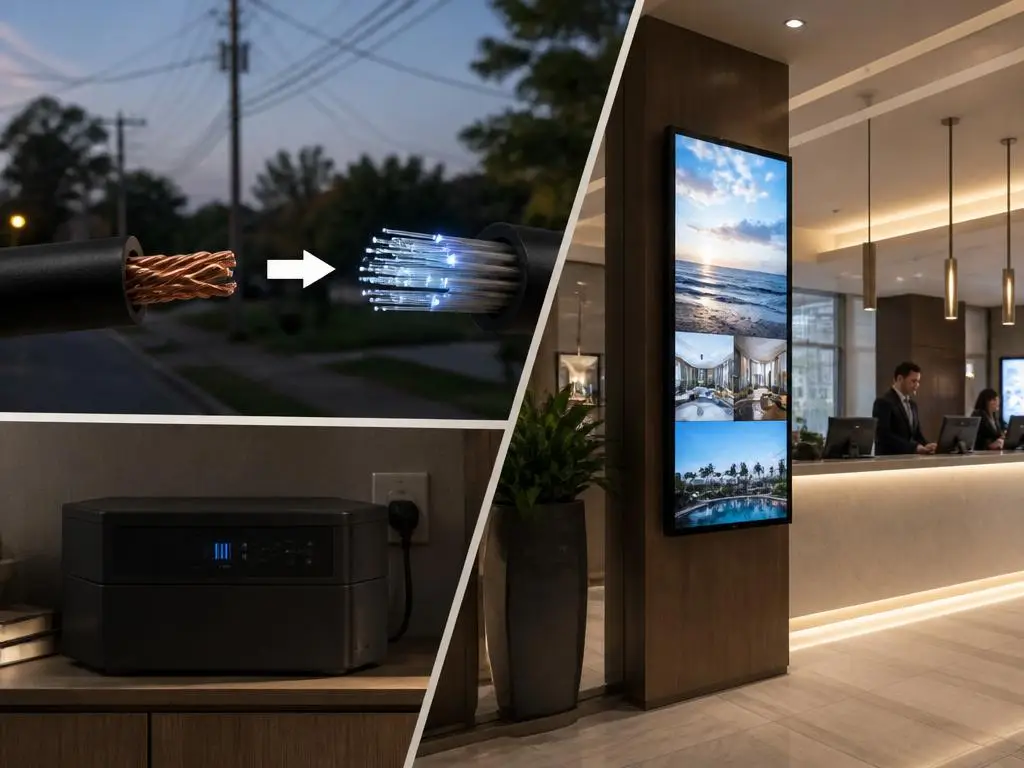
When preparing for extreme weather or grid instability, your primary goal should be maintaining redundancy. If you rely on fiber or cable services, you are inherently dependent on the grid to keep your routing equipment operational. By understanding the electrical needs of your hardware, you empower yourself to make better decisions regarding your home safety and connectivity. Always ensure that your communication devices are positioned near accessible power points and that your battery backups are checked before storm seasons arrive or when local weather forecasts predict significant electrical hazards.
For many households, the ideal solution involves combining a reliable wired connection with a charged mobile device. This hybrid strategy ensures that even if one network goes down due to a lack of power or physical line damage, you still maintain a lifeline to emergency services. By assessing your current technology and identifying potential points of failure, you can secure your home against the inconvenience of communication blackouts, ensuring you remain connected to what matters most, regardless of the electricity supply status in your local area today.
⚠️ Common misconceptions
Many people assume that because their phone plugs into a wall jack, it is a traditional landline. Modern wall jacks in new homes often lead to a central modem or router rather than the street’s analog telephone network. Always verify your connection type by contacting your local service provider before assuming it will work without electricity.
Long-term planning for residential communications
As we move toward an increasingly digital future, the traditional landline is becoming a rarity in many neighborhoods. While this shift toward fiber-optic communication brings significant improvements in data speed and clarity, it requires users to be mindful of power dependency. Evaluating your emergency connectivity needs is a critical step in home management. By choosing reliable hardware that can be easily supported by external batteries, you maintain the utility and comfort provided by fixed-line services without sacrificing the benefits of modern digital technologies and high-speed internet integrated into your daily household routines.
Investing in a small, efficient UPS for your modem and router is a small price to pay for significant peace of mind. This passive power approach ensures your equipment remains active, keeping your home phone operational during localized blackouts. By taking control of your infrastructure, you effectively bridge the gap between legacy reliability and modern technological convenience. Keeping these factors in mind will ensure that your home remains a hub of connectivity, allowing you to stay reachable and informed regardless of the external conditions affecting the power grid or the telecommunications infrastructure in your town.
Summary of considerations
– Traditional analog lines are self-powered.
– Digital/VoIP lines require active electrical supply.
– Battery backups serve as a necessary safety layer for modern routers.
– Always confirm your connection type with your service provider for accurate planning.
