
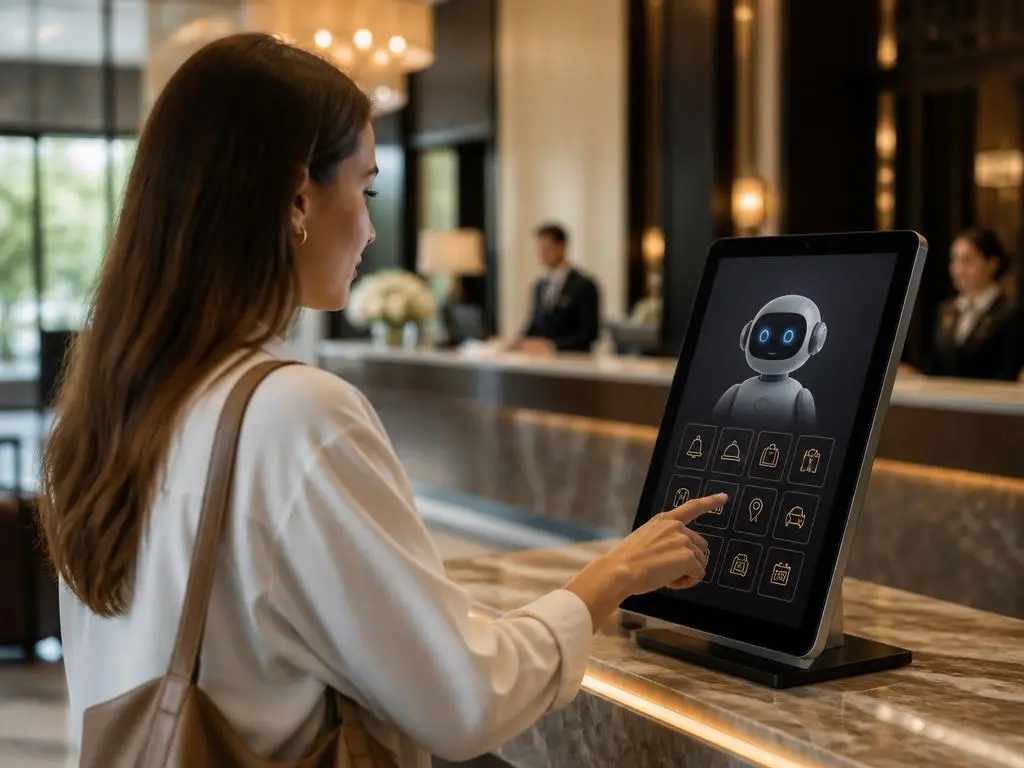
Modern hospitality relies heavily on digital innovation to enhance the overall traveler experience. Integrating an artificial intelligence guest assistant into your hotel operations provides immediate responses to common inquiries, effectively reducing front desk congestion. By leveraging smart technology, properties can offer personalized recommendations that drive engagement and satisfaction across every interaction phase. This transition toward automated support systems allows staff to focus on high-value human connections while ensuring that guests feel well-cared for at all times. Ultimately, adopting these advanced digital solutions is no longer optional for businesses aiming to remain competitive in a fast-paced market.
Implementing a sophisticated virtual concierge requires careful planning to ensure it aligns with your brand voice and service standards. When guests have access to instant information, their perception of your property significantly improves. Such systems often function as a seamless layer over existing software infrastructures, bridging the gap between legacy processes and modern consumer expectations. As we explore the various operational advantages, it becomes clear that these tools empower owners to deliver consistency across diverse time zones. Before moving forward, understanding how these automated systems interact with your internal digital ecosystem is crucial for long-term success.
💡 Key Advantages
- Increased operational efficiency by automating routine service requests.
- Consistent brand messaging delivered through every digital interaction point.
- Significant reduction in manual workload for your front desk staff.
- Improved data collection for better understanding of guest preferences.
Transforming the visitor experience with smart technology
The primary goal of any hotelier is to create a frictionless journey from the moment a reservation is made until check-out. By deploying an artificial intelligence guest assistant, hotels ensure that help is available around the clock without the need for additional night staff. This continuous availability helps resolve minor issues immediately, preventing small frustrations from escalating into negative online reviews. Guests appreciate the autonomy provided by these tools, as they can quickly check local weather, request late check-outs, or order room service through their own mobile devices effortlessly.
Furthermore, the data generated by these interactions is invaluable for management teams seeking to improve service quality. By analyzing recurring requests, hotels can proactively adjust their amenities or staffing levels to better meet actual demand. This shift toward data-driven decision-making helps hotels stay ahead of trends while maintaining a high level of operational precision. When considering how to handle your digital assets, learning about optimizing app performance ensures your guest-facing platforms remain responsive and user-friendly for all travelers arriving at your establishment.
Why automated concierges outperform manual systems
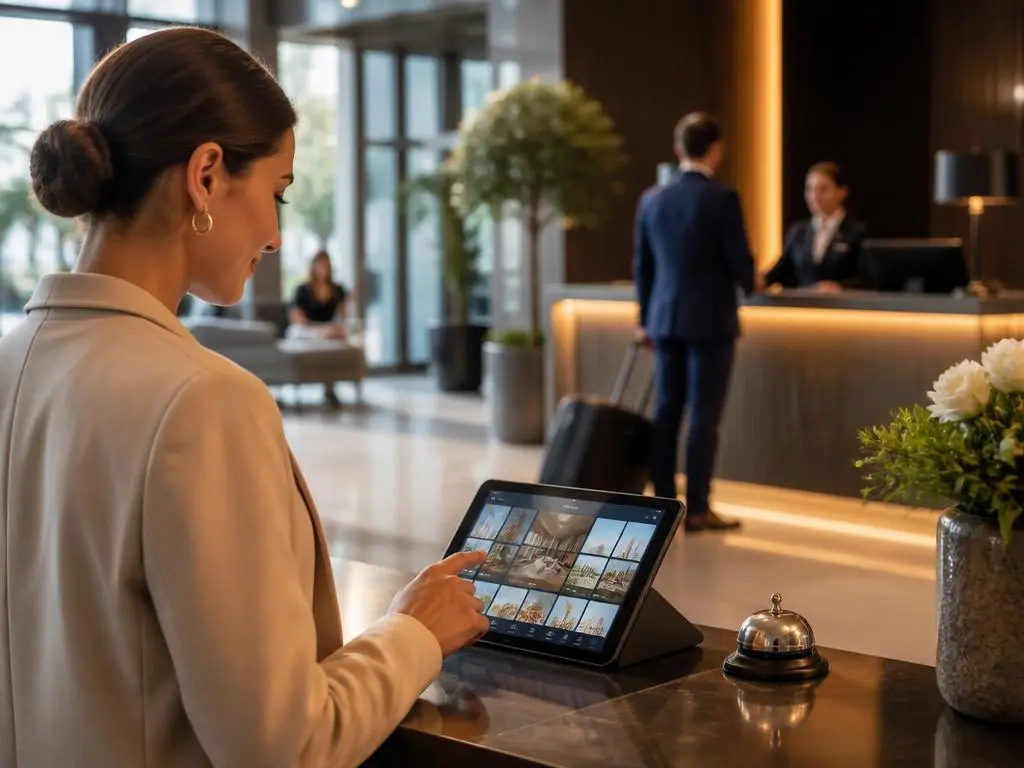
Manual service channels often face bottlenecks during peak hours, leading to long wait times and unhappy visitors. An automated system eliminates these delays by handling multiple inquiries simultaneously with high accuracy. Unlike human agents, these virtual solutions never tire, providing the same level of enthusiasm during a busy check-in period as they do in the middle of the night. This reliability builds trust and encourages users to rely on your digital ecosystem for all their stay-related needs throughout their entire visit to your hotel.
Beyond simple responses, these tools can be integrated with local area guides to provide tailored suggestions for dining or sightseeing. By offering personalized itineraries, the system enhances the perceived value of your hospitality service. Properly managing these technical integrations is essential, and you can find a complete guide to managing these digital components to ensure that every software layer functions perfectly. With robust backend control, you maintain full authority over the information provided, ensuring accuracy and relevance for every single guest requesting assistance at your property.
⚠️ Pro-Tip for Integration
Always perform a stress test on your automated system before a major holiday weekend. Ensuring your virtual concierge software can handle increased traffic during peak travel seasons is vital for preventing service gaps. Keep your content updated to reflect local events.
Strategic advantages for long-term property management
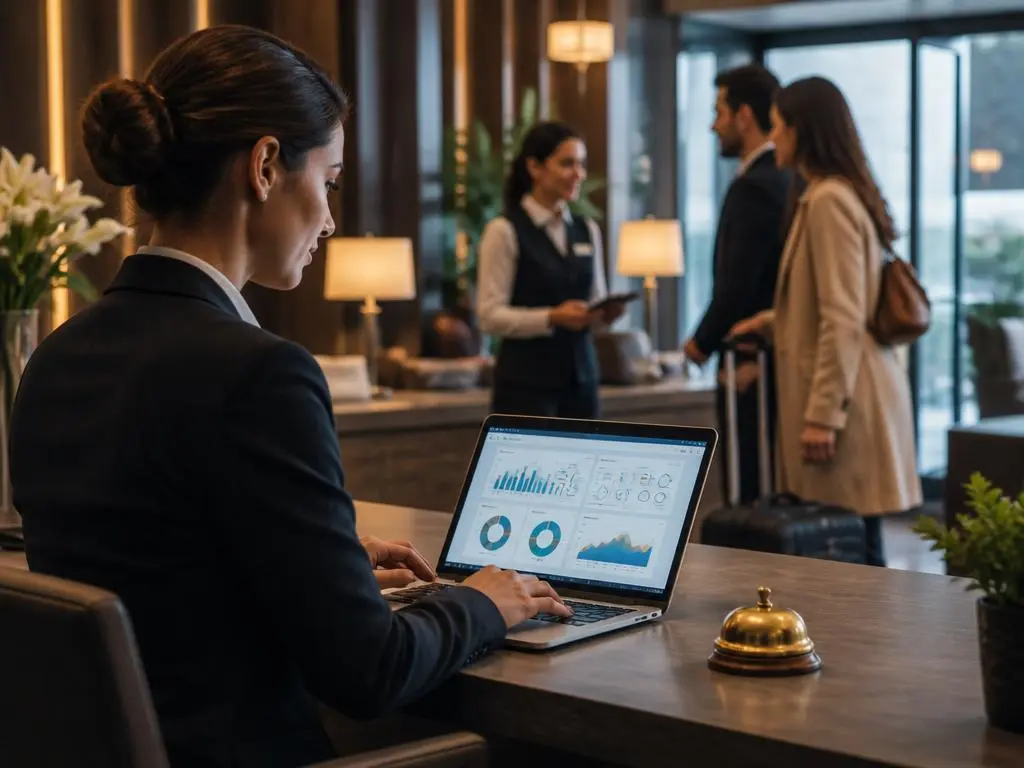
Choosing to implement smart solutions contributes directly to the bottom line by streamlining internal processes and reducing human-related errors. While technology handles routine queries, your team can concentrate on unique situations that require a personal touch. This balance creates a professional environment where digital efficiency complements human empathy. Consequently, your property gains a reputation for being both modern and highly attentive, which is a major factor in building long-term guest loyalty and achieving consistent occupancy rates throughout the year across different market segments.
In addition to standard operations, these systems offer accessibility features that can be highly beneficial for diverse guest populations. Much like maximizing digital inclusion, providing clear, accessible information through voice-to-text or multilingual support ensures that no guest is left behind. This commitment to inclusivity strengthens your brand image and expands your market reach. Investing in such comprehensive technologies demonstrates a forward-thinking approach that respects the varied needs of modern travelers while maintaining high standards of service excellence, which is fundamental in today’s globalized travel landscape.
📊 Impact Summary
By implementing these smart systems, hotels typically see a 30 percent reduction in front desk inquiries. This allows your team to handle complex tasks with greater focus, resulting in a more polished professional environment that resonates with sophisticated modern travelers looking for convenience and speed during their stays.
Future-proofing your hotel for digital travelers
As consumer expectations continue to evolve, the demand for instant digital gratification will only grow. Hotels that proactively invest in AI-driven assistants will be better positioned to adapt to these changes without costly overhauls. By starting small and scaling your implementation based on real-world feedback, you can create a sustainable path toward digital maturity. The key is to view this transition not as a replacement for staff, but as a powerful enhancement to your existing capabilities, enabling your entire property to function with improved agility, clarity, and overall service effectiveness.
Maintaining a clean and organized digital presence requires consistent monitoring of your system performance. Regular audits of the responses generated by your assistant help ensure they remain aligned with your evolving business goals. As you become more proficient in using these tools, you will discover new ways to personalize interactions, further deepening the connection between your brand and your guests. This ongoing evolution is what separates top-tier properties from the rest, making your investment in modern digital hospitality solutions a cornerstone of your long-term operational success and reputation in the tourism sector.
🛑 Warning on Personalization
Avoid overly robotic language in your automated responses. Ensure your configuration settings allow for a warm, welcoming tone that reflects your hotel culture. Always test the chatbot interface from a user perspective to identify any awkward phrasing that might confuse guests during their interaction.
Optimizing your internal digital communication workflows
Effective internal communication is the backbone of any successful deployment. When your staff understands how the assistant interacts with backend management systems, they can better support guests who might have more complex questions. Training sessions should focus on the synergy between the human team and the digital interface, ensuring that everyone understands their specific roles in the service chain. This collaborative approach minimizes confusion and maximizes the utility of your technical investments while fostering a culture of innovation among your employees during their daily operations.
Finally, track the performance metrics provided by your software to refine your strategy continuously. Look for patterns in questions that remain unanswered or tasks that lead to frequent errors. By refining your knowledge base periodically, you keep the system relevant and helpful. This iterative improvement process is crucial for maintaining a competitive edge. Embracing this cycle of learning and updating will solidify your position as an industry leader, ensuring your property remains the preferred choice for guests who value advanced guest services and high-quality digital support throughout their entire travel experience.
