
Navigating the digital landscape requires specialized knowledge when you are running a service-based company. Implementing effective water damage restoration SEO is no longer optional for businesses aiming to dominate their local service area. By prioritizing your online visibility, you ensure that homeowners in crisis find your professional services exactly when they need them most. This approach shifts your focus from cold outreach to capturing high-intent traffic already searching for solutions to their property emergencies. Mastering these search techniques will solidify your reputation and position your company as the premier choice in your local community.
Many business owners struggle to understand how search engine rankings impact their bottom line directly. Without a robust strategy, your firm remains invisible to the vast majority of potential customers searching for rapid remediation. By optimizing your web presence, you align your service offerings with the specific needs of property owners facing floods or leaks. This guide explores the foundational pillars necessary for building a sustainable digital footprint. As we move forward, we will uncover how precision-based content and technical site health work together to transform your online profile into a consistent lead generation machine.
💡 Why Local Visibility Matters
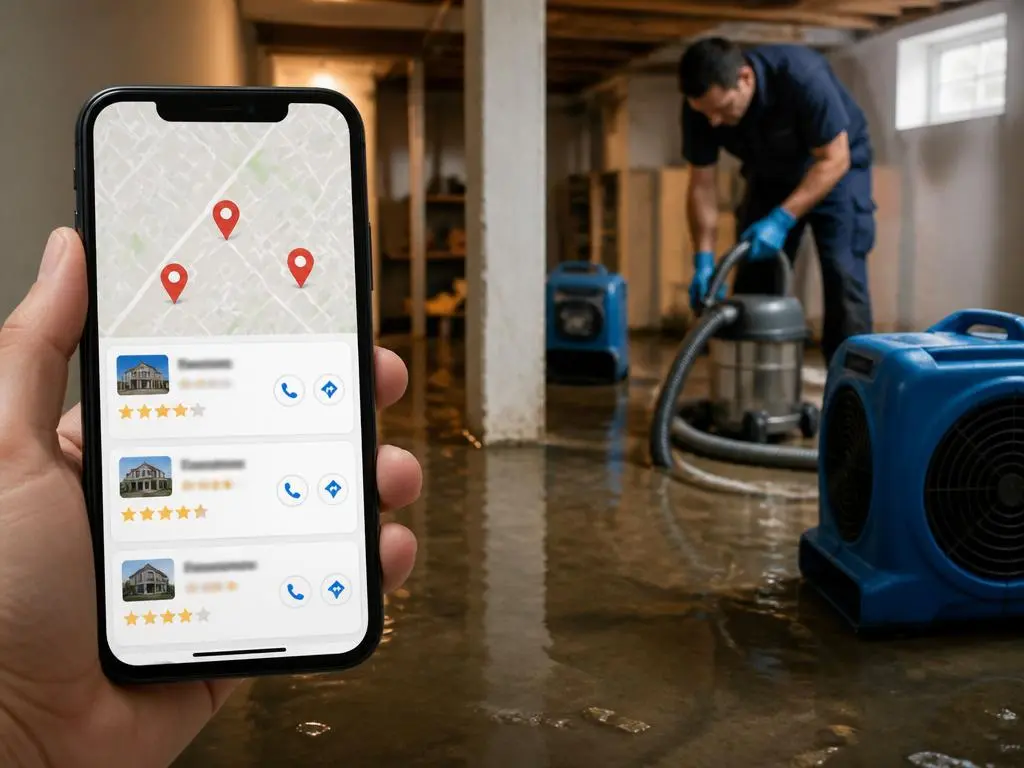
Ranking high in local search results ensures that when a disaster strikes, your phone rings first. Property owners rarely scroll past the top three map results during an emergency, making your local SEO strategy the primary driver for incoming service requests and rapid dispatch. Investing in these practices builds long-term authority and trust.
Understanding Local Search Intent for Restoration Firms
Capturing the attention of a panicked homeowner requires more than just standard keyword stuffing. You must understand that search intent for disaster cleanup is almost always transactional and immediate. People want to know that you are nearby, licensed, and capable of handling their specific emergency right now. Your website content should reflect this urgency clearly.
Focusing on long-tail keywords related to your specific city or neighborhood significantly improves your chances of conversion. Phrases that include service areas help search engines categorize your site as a relevant local authority. Furthermore, ensuring your contact details are consistent across all platforms is a foundational step in establishing professional credibility with algorithms.
Beyond simple rankings, you should consider the broader ecosystem of your brand growth. For instance, brand growth tactics often overlap with local service strategies by reinforcing trust. When users see your company cited across various reputable directories and maps, they are much more likely to trust your crew inside their homes during a vulnerable moment of recovery.
Optimizing Your Website for Technical Excellence
Technical search engine optimization forms the backbone of your digital success, ensuring that search crawlers can easily index your service pages. Fast loading times and mobile responsiveness are non-negotiable, as most emergency searches originate from smartphones. If your site is sluggish, homeowners will immediately move on to the next available provider on the list.
Structured data, also known as schema markup, helps search engines understand that you provide emergency services. By implementing location-based schema, you explicitly tell Google where you operate, which boosts your chances of appearing in the coveted map pack. This technical precision is often the differentiator between top-tier firms and those struggling to gain any meaningful traction.
Security and user experience also play a role in how your business is perceived. While modern digital management often focuses on specific tech tools, it is interesting to see how home surveillance software shares similar principles of accessible user interface design. Your website must be as intuitive as a security dashboard to ensure that clients can request help with just one or two simple clicks.
✅ Top Optimization Checklist
- Verify your Google Business Profile information across every directory.
- Ensure your mobile version loads under three seconds for all users.
- Create dedicated landing pages for every specific service you provide.
- Build local backlinks through community partnerships and local news mentions.
- Use professional testimonials to build social proof for potential leads.
Building Authority Through Localized Content
Content marketing for a restoration company should focus on providing value during the customer journey. Write blog posts that address common questions, such as how to mitigate damage while waiting for professional help. By answering these queries, you position your brand as a helpful expert rather than just a faceless service provider competing for clicks.
Do not underestimate the power of case studies. Highlighting successful projects in specific local areas reinforces your proximity and capability. When you share stories of how your team restored a property after a major storm, you build an emotional connection with potential customers who are currently facing similar situations and looking for reliable expert intervention.
While industry-specific content is crucial, some broader marketing principles remain universal. Looking at market share optimization reveals that consistent messaging and broad exposure are key to dominance. Even in a hyper-local niche like water damage, the goal is to capture as much digital territory as possible by being the answer to every question related to property restoration in your area.
⚠️ Crucial Compliance Warning
Always avoid duplicate content across multiple city pages, as this can lead to search engine penalties. Each location page must feature unique descriptions and distinct customer testimonials to maintain high quality standards. Authenticity is the ultimate currency when trying to gain the trust of local property owners needing help.
Mastering Conversion Rate Optimization
Once you attract visitors to your site, you must convert them into paying clients. High-quality imagery of your equipment, trucks, and friendly technicians builds immediate trust. Ensure your phone number is sticky and easily clickable on every page, particularly on mobile devices where emergency users want to call with a single touch of their screen.
Lead forms should be kept short and simple. When a homeowner has a basement filled with water, they do not want to fill out a ten-field questionnaire. Ask only for their name, location, and phone number to facilitate a quick callback. The goal is to lower friction as much as possible to increase conversion rates.
Regularly auditing your analytics allows you to see where users drop off in the conversion funnel. If a specific page has high traffic but low calls, investigate the messaging. Perhaps the call-to-action is not clear, or the information provided does not resonate with the urgent nature of the visitor’s specific disaster situation.
💡 Expert Pro Tip
Implementing a live chat feature can significantly boost your conversion rate during off-hours. Many property emergencies happen at night or on weekends, and having a representative or an automated system ready to handle these queries ensures you never miss an opportunity to secure a new job during a crisis.
The Future of Digital Growth in Restoration
Staying ahead of the competition requires continuous adaptation to changing search algorithms. As voice search becomes more prevalent, ensure your content includes natural language phrasing that matches how people speak during an emergency. Focusing on the human aspect of your business will always pay dividends in the competitive world of property restoration services.
Monitor your competitors closely to see what strategies they are implementing. If they start ranking for new service keywords, analyze their site structure and content depth. By remaining proactive and flexible, you ensure that your firm stays at the top of the search results, regardless of how the search landscape continues to evolve over time.
Ultimately, your success relies on the synergy between your physical operations and your digital presence. When these two worlds align, you create a powerhouse business that property owners naturally turn to first. Commitment to these strategies will lead to sustained growth, higher quality leads, and a dominant market position that is very difficult for competitors to challenge.
📌 Key Takeaways Summary
Prioritize local intent, technical site health, and authentic content to win. Use schema markup to verify your location, keep forms simple to encourage fast action, and always monitor your performance metrics. Consistency is the secret ingredient to long-term success in the restoration industry, helping you capture more leads and scale your operations effectively.
