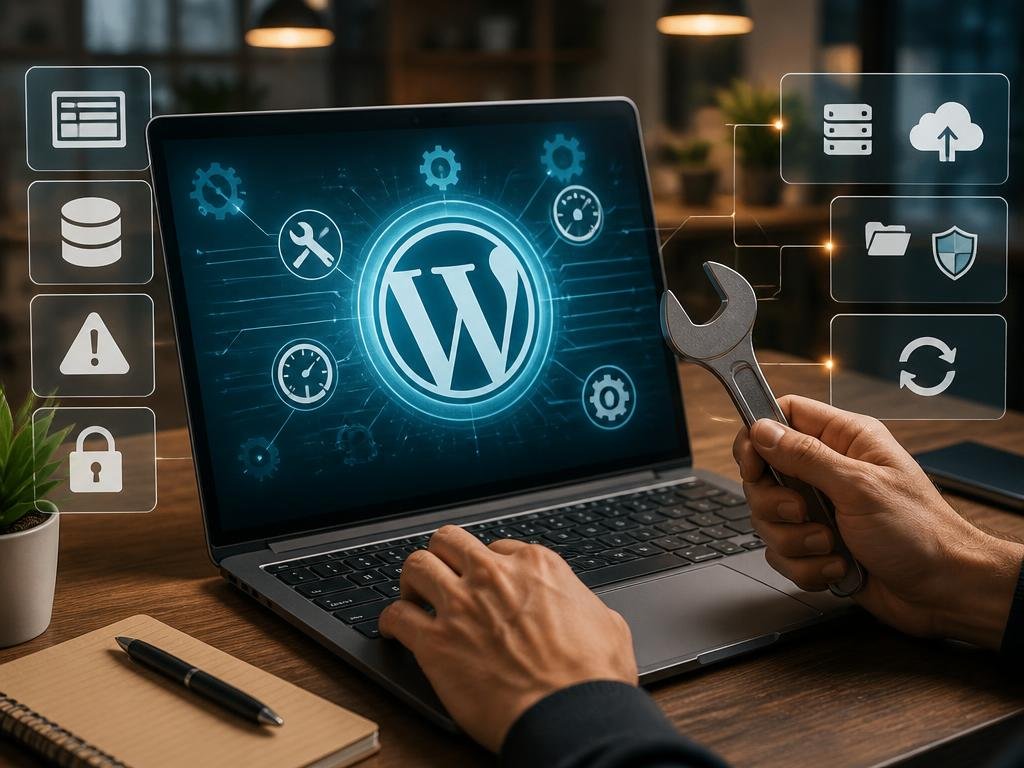
Experiencing a sudden crash on your blog can be extremely frustrating for any online business owner. When you need to fix my wordpress website immediately, understanding the core system structure helps restore critical functionality and repair broken elements. Finding fast solutions prevents loss of traffic and protects your online search visibility.
This comprehensive technical manual provides clear step-by-step diagnostic procedures for resolving unexpected platform failures. You will discover how to identify underlying conflicts, handle database errors, and protect your digital assets. Read on to uncover the precise troubleshooting methods used by professional web developers today.
Identifying the cause of your system crash
Every technical malfunction originates from a specific software change or server limitation. Before applying random solutions, you must isolate whether the issue stems from a recent installation or external server alterations. Proper initial observation saves hours of unnecessary work and prevents further corruption of files, ensuring your database remains stable.
Checking recent updates is the logical starting point for diagnosing modern platform issues. Often, a simple update to a core component or dynamic theme creates unexpected conflicts. Analyzing your visual console or server logs can quickly reveal the exact file causing the system to behave errarily and crash during user visits.
💡 Professional Diagnostic Tip: Always check your server error logs before changing files. These hidden text files pinpoint the exact folder, script line, and php configuration error causing your system to crash under pressure.
Dealing with the common white screen of death
This white screen of death phenomenon is one of the most frequent errors that site administrators face. It typically indicates a critical memory exhaustion or an unhandled script error in the backend code. Without an error message, finding the source of the crash requires systematic testing of active components across your directories.
To resolve this, you must access your hosting directory via file transfer protocols or control panel managers. Once inside, you can safely modify the configuration file to enable the built-in debugging parameters. This action forces the screen to display the actual PHP errors instead of a blank white page immediately.
The debugging mode acts as an internal guide, showing you which specific functions are failing. Armed with this exact diagnostic code, you can easily determine which plugin or theme requires immediate deactivation. It turns a guessing game into a precise, systematic repair process that prevents you from losing hours of development time.
Resolving plugin and theme compatibility conflicts
Installing multiple extensions from different developers often leads to severe plugin compatibility issues. These tools might attempt to load identical scripts or modify similar database entries, causing a total layout breakdown. Fortunately, disabling these conflicting features does not require access to your administrative dashboard or back-end hosting control panels.
Navigating to the content folder allows you to rename the plugins folder temporarily. This simple action deactivates every extension at once, allowing you to regain access to your dashboard immediately. You can then reactivate each extension individually to isolate the specific culprit that caused the original script compilation error.
A similar process applies to visual templates when they cause severe rendering errors. Switching to a default core layout instantly proves whether your customized theme is corrupted. Keeping your themes updated regularly prevents these frustrating compatibility conflicts from repeating in the future, securing your online platform from unwanted downtime.
✅ Diagnostic Checklist for Extensions
- Deactivate all dynamic tools through your database or FTP client.
- Reactivate tools one by one while testing system performance.
- Check individual script compatibility with your active PHP version.
- Replace outdated elements with supported alternative integrations.
Fixing the famous database connection error
Your database stores every single post, page setting, and user profile configuration safely. When the platform displays an inability to connect, it means the server cannot fetch this vital information properly. This issue usually occurs after changing hosting parameters, updating configuration credentials, or during severe server overloads.
Verifying your database credentials inside the main configuration file is the primary resolution method. You must ensure that the user credentials, password, and database host details match perfectly across your entire setup. Even a single incorrect character in this script will completely block your site from loading anything.
In some cases, the database connection error might occur because tables themselves are corrupted due to unexpected system shutdowns or heavy traffic. Utilizing native repair commands via the configuration file can automatically clean and reorganize these tables. This automated internal recovery tool is highly effective at restoring full operations without needing manual database edits.
Fixing file permission settings on your server
Incorrect directory permissions can block your system from writing vital temporary files or creating folder paths. This leads to issues when uploading media, installing updates, or saving security drafts in the dashboard. Restoring correct numerical values ensures that your server interacts safely with incoming user commands and system actions.
Generally, folders should be set to specific security levels while individual files remain more restricted on your server. You can adjust these values easily using your file transfer client or hosting manager interface. Setting correct permissions protects your core scripts and assets from unauthorized third-party modification or exploitation.
When permissions are too open, malicious files can easily inject themselves into your system folders and compromise users. Maintaining strict control over access levels is a fundamental practice of modern digital security. Correct settings ensure that your platform remains both functional and highly secure against potential database exploits.
⚠️ Database Modification Warning: Never make direct edits to your database tables without creating an external SQL backup first. A single accidental deletion can permanently destroy your content structure, forcing a complete rebuild from scratch.
Restoring access to your administration dashboard

Being locked out of your private admin panel is a terrifying experience for webmasters. This issue typically happens because of security plugin locks, corrupted cookies, or incorrect login credentials. Regaining control requires working directly with the system configuration files or database records on the hosting server.
Clearing your browser cache and cookies is the simplest step to resolve minor authentication loops. If this fails, disabling security plugins via your file manager will bypass local login restrictions immediately. This allows you to log in normally, inspect internal security logs, and identify the root cause.
If you forget your password and normal recovery options fail, direct database modification is necessary. You can update your user password securely using encryption algorithms directly inside your host management tool. This ensures you regain admin status without needing email confirmations or complex configuration processes.
Troubleshooting internal server errors and timeout limits
The dreaded internal server error is a generic message that points to diverse server issues. It often occurs when a script exceeds the maximum execution time allowed by your hosting provider. Increasing these resource limits prevents complex scripts from stopping halfway through execution and crashing.
Editing the server configuration file allows you to increase PHP memory limits easily. This ensures that heavy plugins have enough memory to process intensive data operations. Many plugins that handle large media libraries require substantial system resources to function without throwing fatal internal memory errors.
For instance, using interactive display solutions in modern offices demonstrates the need for balanced digital infrastructure. Similarly, your website needs optimized resource allocation to handle concurrent user requests efficiently. Providing ample memory guarantees stable performance during high-traffic events, preventing unexpected performance dips.
Repairing a broken configuration access file
The server configuration file controls how your links are structured and redirected. Over time, writing new redirection rules or security settings can corrupt this critical control file. When this happens, all your inner pages might suddenly return frustrating empty errors instead of displaying content.
Resolving this problem is surprisingly straightforward once you know how the system operates. You simply need to navigate to your administration settings and save your link structure again. This action forces the system to generate a brand new, clean configuration file within your root directory automatically.
If you cannot access the dashboard, deleting the corrupted file via FTP is necessary. The server will run on default settings until you can log in and recreate the file. This simple trick quickly resolves persistent rendering issues across your entire structure without changing core files.
💡 Quick Access File Fix
If your subpages display blank errors but your homepage loads perfectly, your server rules file is likely corrupted. Deleting it and saving your permalink settings again will write a fresh file automatically.
Addressing security breaches and malicious code infections
Cyber attacks can inject unauthorized scripts into your core file directories. This results in strange redirects, unwanted advertisements, or restricted access to your administration dashboard. Cleaning an infected system requires specialized security tools and thorough file verification processes to guarantee total removal of scripts.
Comparing your files against clean core copies helps detect modifications made by malicious scripts. Many modern hosting platforms provide automated malware scanning tools to clean common threats easily. Removing these files quickly prevents your site from being blacklisted by popular search engines and browsers.
Implementing strict security configurations helps protect your platform from future digital intrusions. Standard practices include using complex passwords, installing reputable security applications, and monitoring user logs. Regular security audits ensure that potential vulnerabilities are patched before malicious actors can exploit them on your site.
Managing media upload and asset rendering failures
Sometimes, uploading new media files results in confusing processing failures or broken images. This usually points to temporary folder issues or incorrect permissions within your media directories. Correcting these settings allows your media library to organize files systematically without dropping connections during upload.
If the issue persists, the cause might be a limitation on maximum upload file sizes. You can easily adjust these constraints inside your environment file or through your hosting dashboard settings. Increasing these limits allows you to upload larger images and high-resolution videos without experiencing server timeout.
For organizations handling massive data directories, optimizing storage structure is essential for survival. Medical centers implementing hospital communication systems require robust infrastructure to store high volumes of secure data. Your media storage requires similar structural efficiency to display high-quality visual content without experiencing rendering errors.
Resolving theme styling and visual layout errors

When your design suddenly loads as unformatted text, stylesheets are failing to load. This visual breakdown occurs because of incorrect paths, mixed content errors, or caching conflicts. Fixing layout issues involves verifying your security certificates and clearing active cache files across your delivery networks.
Mixed content errors occur when your site tries to load style elements over unsecure connections. Updating your site address to match your security certificate resolves these visual style issues. This ensures that every asset loads securely and displays correctly on all desktop and mobile devices.
In some cases, third-party optimization tools compress style sheets too aggressively, breaking the design. Disabling style minification features in your caching tools will restore your original design layout. Testing visual updates in a staging environment protects your live audience from experiencing layout failures during updates.
Fixing broken navigation and external linkage systems
Dead links frustrate readers and harm your overall search engine optimization rankings. They usually result from moving content pages without setting up proper redirection pathways. Regular maintenance with broken link checkers helps keep your link profile clean and ensures smooth navigation.
When connecting modern mobile devices to vehicles, configuration steps must be followed closely. For example, setting up mobile device connectivity requires aligning wireless protocols to ensure flawless operation. Your website links must be aligned similarly with proper destinations to prevent frustrating navigation drops for users.
Creating permanent redirect rules for changed addresses preserves your hard-earned traffic search value. This simple technique guides users and search engine bots directly to the new content location. Keeping navigation clean and active improves overall user engagement metrics and search ranking visibility.
Improving server response times and database optimization
A slow system is just as bad as a completely broken one for modern visitors. Overloaded databases with thousands of old post revisions can significantly slow down your site. Regular optimization clears out unnecessary data trash, restoring fast processing speeds for all readers.
Using optimization plugins allows you to clean up temporary database entries with one click. This keeps your system light and responsive, even when managing large volumes of publications. Fast websites retain visitors longer and enjoy higher rankings on major search networks worldwide.
Additionally, utilizing content delivery networks distributes your files across global servers for faster loading. This technique reduces server load and protects your hosting environment from sudden traffic spikes. Optimizing visual assets before uploading also contributes to a lightning-fast user experience across all modern browsers.
📊 Key Maintenance Takeaways
Regular system maintenance prevents sudden failures. Schedule weekly file and database updates, keep your extensions minimized, and always run your platform on the latest stable server software versions to avoid critical operational crashes.
Handling email notification and delivery failures
Many site owners complain that they do not receive contact forms or system notifications. This issue occurs because servers are not configured to send emails securely by default. Implementing standard email transfer protocols ensures that system notifications land safely in your inbox without delay.
Using dedicated mailing extensions routes your system emails through secure external delivery servers. This practice guarantees high delivery rates and prevents your notifications from being labeled as spam folder content. Keeping communication lines open is vital for processing client transactions and administrative inquiries.
For businesses, securing copies of digital transactions is crucial for accounting records. Learning proper techniques for exporting important data helps keep your administrative records secure and accessible offline. This practice ensures your vital system confirmations are preserved outside your online database safely.
Best practices for maintaining a healthy digital platform
Prevention is always much better than fixing complex system crashes after they happen. Setting up regular website backups secures your files and database on remote cloud storage. This ensures you can easily restore your site with minimal downtime if severe errors occur again.
Keeping your core software, themes, and plugins updated is the easiest way to prevent issues. Developers constantly release updates that fix security holes and improve overall system performance. Checking your updates weekly keeps your site secure, fast, and completely error-free over time.
Finally, choosing a reliable hosting partner provides the solid foundation your website needs to succeed. Quality hosts offer active security monitoring, automated backups, and expert technical assistance when problems arise. Investing in great hosting saves valuable time and resources in the long run.

Commentaires désactivés