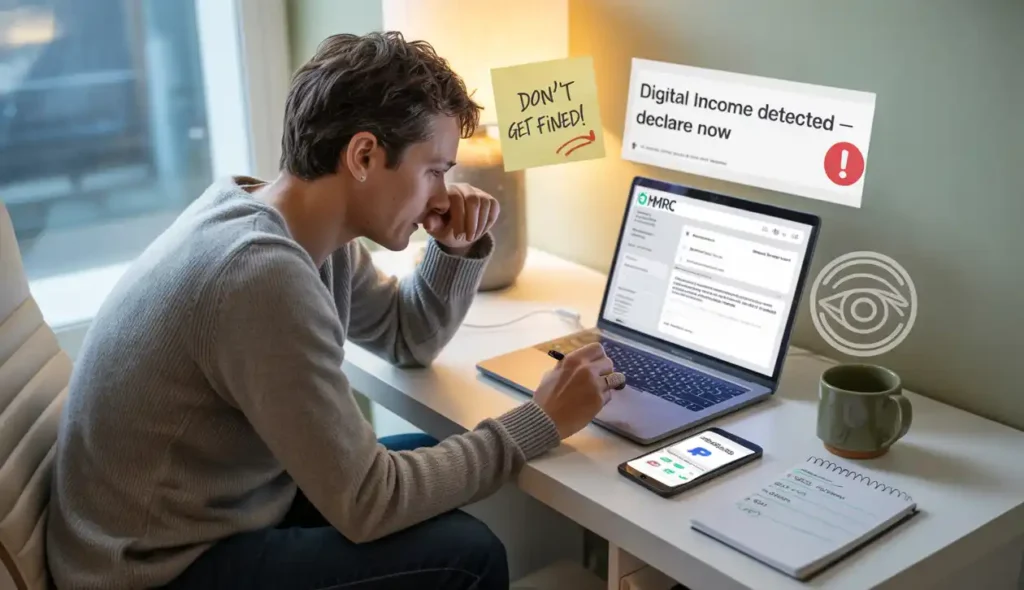
The transition toward a fully modernized tax system is rapidly changing how taxpayers interact with the authorities, specifically regarding hmrc digital letters communication. This significant shift moves away from traditional paper-based correspondence toward a secure, instantaneous electronic model. By prioritizing digital-by-default methods, the government aims to enhance security, reduce administrative delays, and provide a more streamlined experience for individuals and businesses across the nation who already utilize online services for their fiscal obligations.
Understanding these changes is essential for maintaining compliance and ensuring that critical tax notifications are never missed. As physical mail becomes a secondary option, taxpayers must become proficient in navigating the official portals and applications provided by the revenue department. This guide explores the nuances of the digital transformation, the security protocols involved, and the practical steps needed to transition into an era where fiscal correspondence is managed through high-tech secure messaging platforms rather than traditional envelopes.
📝 Essential highlights of the digital shift
- ✔ Digital by Default: Most paper letters will be replaced by electronic notifications for existing online users.
- ✔ Secure Access: Correspondence must be viewed through the official app or a Personal Tax Account.
- ✔ Real-time Alerts: Email or SMS notifications will prompt users to log in when new mail arrives.
- ✔ Inclusion Measures: Provisions remain for those unable to use digital services due to age or disability.
The mechanics of the digital by default strategy
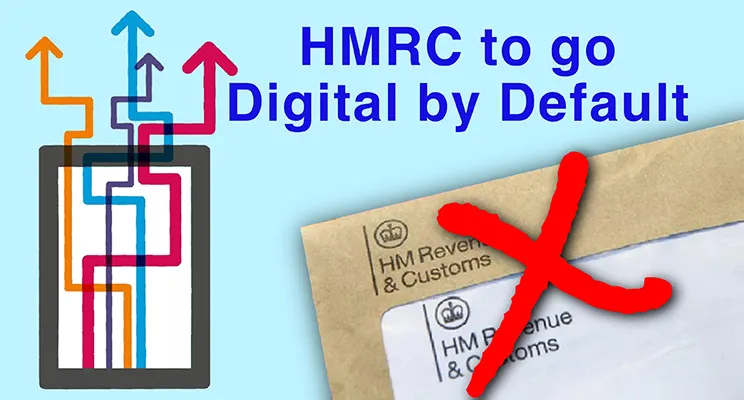
The strategy currently being implemented is designed to centralize outbound correspondence into a unified electronic environment. For the majority of taxpayers who already engage with digital tax services, the department will no longer send physical letters through the postal service as the standard procedure. Instead, the primary method of delivery will be a notification sent to a verified email address or mobile phone number, indicating that new correspondence is waiting.
This notification does not contain sensitive personal data or tax figures; rather, it serves as a secure invitation to log in to a protected environment. Users are required to use their official credentials to access their secure portal, where they can view, download, or print their documents. This method drastically reduces the risk of sensitive information being intercepted in the post or lost during transit, providing a higher level of data protection for all citizens involved.
Furthermore, the legislation supporting this move allows the revenue authority to collect and verify digital contact details during regular interactions. This ensures that the database remains current, minimizing the chance of notifications being sent to inactive accounts. By integrating these requirements into the standard tax filing process, the authority can maintain a high rate of successful delivery for critical legal notices and tax assessments in the upcoming phases of the rollout.
Accessing the secure tax portal and mobile app
To view your electronic correspondence, the two primary tools are the official mobile application and the web-based personal account. The mobile app has gained significant traction due to its ease of use and biometric login capabilities, allowing for quick checks on tax status. Within the app, there is a dedicated messaging section where all historical and current letters are stored in a chronological format for easy reference.
The web portal offers more comprehensive features for businesses and individuals with complex tax affairs. Users can manage multiple tax streams, such as Self Assessment, VAT, and PAYE, all from a single dashboard. When a notification arrives, the user logs in using the secure identification service to find their documents. This centralized approach ensures that all correspondence is stored in one place, eliminating the need to file physical paperwork in domestic settings.
Security considerations for hmrc digital letters communication
While moving to electronic formats enhances security, it also requires taxpayers to be more vigilant against cyber threats. Fraudsters often attempt to mimic official notifications to steal login credentials or financial information. It is paramount to remember that legitimate notifications will never include direct links to login pages where you are asked to enter bank details or passwords. They will simply state that a new message is available for viewing.
To further protect users, the government is transitioning toward a unified login system known as GOV.UK One Login. This system provides a single, highly secure way to access all government services, using multi-factor authentication to verify the identity of the user. By standardizing the login process, the authorities make it harder for malicious actors to create convincing fake portals, as users become accustomed to one specific, secure entry point for all their fiscal needs.
In addition to technological safeguards, users should practice good digital hygiene. This includes ensuring that the mobile devices used for tax purposes are updated with the latest security patches and that email accounts used for notifications are protected by strong, unique passwords. Regularly reviewing the communication history within the official app can also help identify any discrepancies or unauthorized access attempts early, ensuring long-term security for personal financial data.
⚠️ SECURITY ALERT
Legitimate tax notifications will never ask for your bank details via email or text message. Always log in directly through the official website or the verified app to verify any claims about tax refunds or outstanding payments. Beware of high-pressure language in unsolicited messages.
Addressing digital exclusion and the opt-out process
The government recognizes that not everyone is capable of managing their tax affairs online. Certain groups, including the elderly, individuals with specific disabilities, or those living in areas with poor internet connectivity, are classified as digitally excluded. For these individuals, the department is committed to maintaining a robust paper-based communication channel to ensure they are not unfairly penalized or left without critical information regarding their taxes.
Those who fall into this category do not need to take any drastic action to remain on the paper mailing list. If the department identifies that a customer cannot interact digitally, they will continue to receive traditional mail. However, for those who are technically capable but simply prefer paper, the option to opt out of the digital-by-default model is available. This can be managed through the settings in the online account, though users are encouraged to stay digital for faster response times.
It is important to note that once a user confirms their digital contact details and begins using the online services regularly, the system may automatically switch them to electronic alerts. If a taxpayer wishes to revert to paper, they should contact the department directly to explain their preference. Maintaining an open dialogue with the tax authorities ensures that the communication method chosen remains appropriate for the taxpayer’s specific personal circumstances and technological capabilities.
How to update your contact preferences
Updating your communication preferences is a straightforward process within the settings of your secure account. Users can navigate to the ‘Contact Details’ or ‘Correspondence Preferences’ section to choose their preferred method of notification. It is highly recommended to provide both an email address and a mobile number to ensure that alerts are received even if one primary channel becomes unavailable due to technical issues.
For businesses, ensuring that the correct administrative contact is listed is vital. Often, a company’s digital tax account may be linked to a former employee or a generic inbox that is not monitored. Regularly auditing these settings ensures that important legal documents are seen by the relevant decision-makers within the organization, preventing late filing penalties or missed payment deadlines that could arise from missed electronic notifications.
📊 Comparison: Traditional vs. Digital Communication
| Feature | Postal Mail | Digital Notification |
|---|---|---|
| Delivery Speed | 3-5 Working Days | Instantaneous |
| Security Level | Medium (Risk of intercept) | High (Encrypted/Logged) |
| Environmental Impact | High (Paper/Fuel) | Low (Paperless) |
| Accessibility | Physical Filing Required | Searchable Archive |
The impact on tax professionals and agents
The modernization of outbound communication significantly impacts how tax agents and accountants manage their clients’ affairs. In the past, agents often relied on physical copies of letters sent to their clients to stay informed about changes or queries from the tax department. With the shift toward digital-by-default, agents must now ensure they have the correct authorizations to access their clients’ digital dashboards directly.
This change encourages a more collaborative approach between taxpayers and their representatives. By having real-time access to the same security protocols and document archives, agents can provide faster advice and respond to queries with greater precision. It eliminates the delay caused by clients having to scan and email physical letters to their accountants, allowing for a much more agile tax management process throughout the fiscal year.
However, this also means that agents must be more proactive in educating their clients about the importance of monitoring their own digital notifications. If a client ignores an email alert thinking it is spam, the agent might also miss a crucial deadline if they do not have the appropriate notification settings enabled on their own professional dashboard. Standardizing these workflows is now a priority for firms looking to stay competitive in an increasingly digital landscape.
Economic and environmental benefits of the transition
From a wider perspective, the move to digital correspondence is a key component of the government’s broader sustainability and fiscal efficiency goals. Printing and posting millions of letters every year incurs significant costs, estimated at tens of millions of pounds. By diverting these resources toward improving digital infrastructure and customer support, the revenue authority can provide a more effective service to the public while reducing the overall tax burden of administration.
The environmental benefits are equally compelling. A massive reduction in paper consumption aligns with national net-zero targets and reduces the carbon footprint associated with the logistics of physical mail delivery. For taxpayers, this means a cleaner, more organized way of managing their records without the need for extensive physical storage solutions at home or in the office, reflecting a modern approach to environmental responsibility in the digital age.
Furthermore, digital records are inherently more durable and easier to manage over long periods. Unlike paper, which can degrade or be destroyed by accident, electronic documents stored in the secure tax portal are backed up and remain accessible for many years. This makes the process of historical tax review much simpler for both the taxpayer and the authorities, fostering a culture of transparency and reliable record-keeping that benefits the entire financial ecosystem.
💡 Did you know?
The shift to digital communication is expected to save the taxpayer approximately fifty million pounds annually in printing and postage costs alone. These savings are being reinvested into improving the responsiveness of tax helplines and developing more intuitive features for the official mobile app.
Steps to prepare for the digital communication rollout
Preparing for this transition is relatively simple but requires proactive engagement. The first and most important step is to log in to your existing online account and ensure that your contact information is 100% accurate. This includes verifying that your primary email address is one that you check regularly and that your mobile number is capable of receiving SMS alerts for two-factor authentication purposes.
Second, downloading the official tax app is highly recommended for all smartphone users. The app provides the most convenient way to receive push notifications about new correspondence, often bypassing the clutter of a busy email inbox. Familiarizing yourself with the layout of the app and where the ‘Messages’ section is located will ensure that you are ready to act as soon as the standard postal delivery ceases for your specific account type.
Finally, consider how you will archive your digital letters. While the revenue portal stores documents for a significant period, it is good practice to download and save copies of important tax assessments or year-end summaries to your own secure cloud storage or local drive. This provides an additional layer of redundancy and ensures that you have access to your records even if the government portals are undergoing scheduled maintenance during a period when you need to review your finances.
« Modernizing government communication is not just about saving paper; it is about creating a responsive, secure, and user-centric system that meets the expectations of the public in the twenty-first century. »
The future of tax administration and digital interaction
As we move deeper into this decade, the goal is to have the vast majority of interactions between the public and the tax authorities occur within a digital framework. This is part of a wider vision to make tax administration « frictionless, » where data flows seamlessly between employers, banks, and the revenue department. Digital letters are just one part of this puzzle, serving as the bridge between old-world administration and a future where tax is managed in real-time with minimal manual intervention.
For the taxpayer, this future offers the promise of fewer errors, faster refunds, and a clearer understanding of their financial position at any given time. While the transition away from paper may feel significant, the benefits of a more secure and efficient hmrc digital letters communication system far outweigh the initial learning curve. By embracing these tools now, you are positioning yourself for a more organized and stress-free relationship with your fiscal responsibilities for years to come.
Staying informed about further updates to these services is crucial, as the features available in the app and web portal continue to evolve. The government frequently releases new updates that add functionality, such as the ability to respond to letters directly within the secure environment or to chat with a digital assistant for immediate help with common queries. By remaining an active user of these digital services, you can ensure that your tax affairs are managed with the highest level of professionalism and efficiency available in the modern era.
✅ Final Summary for Taxpayers
The era of waiting for the postman to deliver tax news is coming to an end for digital users. By ensuring your contact details are updated and utilizing the official mobile app, you can take full advantage of a faster, more secure, and environmentally friendly way to manage your fiscal life.
