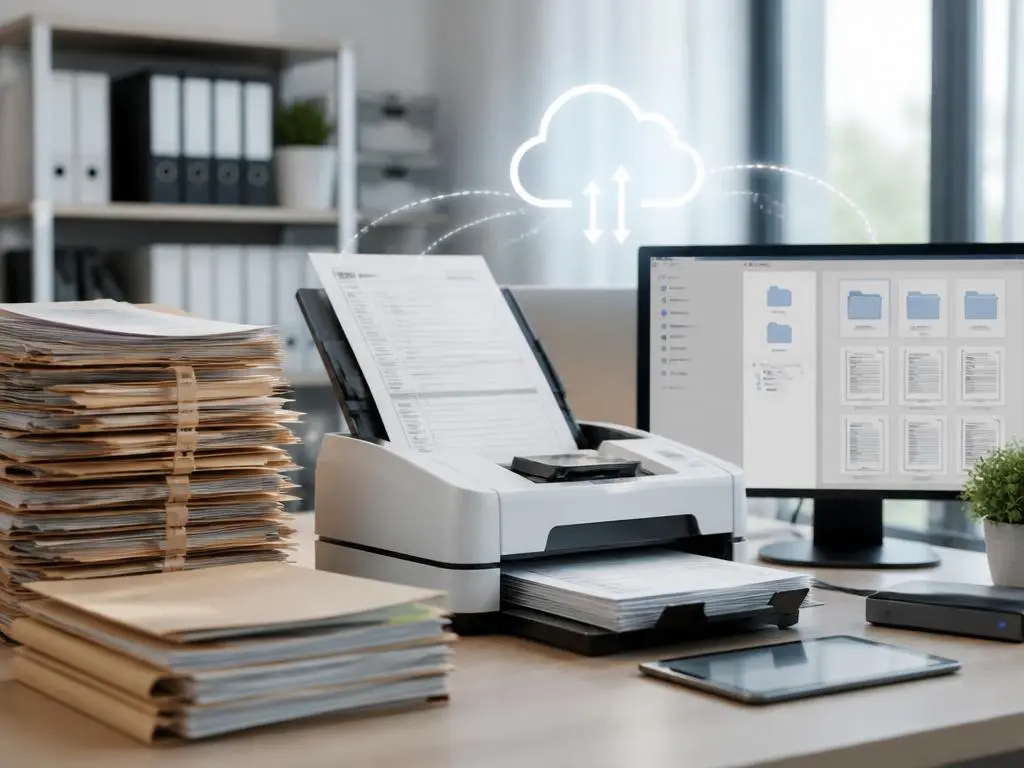
Selecting the ideal professional document digitization services is a crucial operational milestone for companies looking to modernize their legacy archival workflows. Transitioning from paper filing systems to secure, searchable digital archives requires a structured methodology to guarantee data integrity, easy file accessibility, and absolute regulatory compliance.
By evaluating your specific corporate scanning needs early, you can easily avoid common pitfalls associated with manual data migration processes. Discover the exact organizational benchmarks and technical criteria your management must analyze to select the perfect partner and ensure a highly successful business transformation.
Understanding your corporate scanning requirements
Understanding your current physical archive scale is the fundamental starting point of any digitization initiative. Modern enterprises often store thousands of inactive files in cardboard boxes, which complicates retrieval times. Documenting the total volume of paper helps vendors estimate the accurate timeline and personnel required for the bulk scanning process.
Categorizing paper documents by operational utility allows your business to prioritize scanning phases logically. High-frequency administrative files should undergo scanning first, while old tax records can wait. This systematic operational approach ensures that daily administrative workflows remain uninterrupted during the structural transition to a modern cloud database system.
Determining the required electronic format for your output files ensures seamless integration with downstream systems. While standard PDF is the most common target, searchable formats like PDF/A are better for archival purposes. Clarifying these technical output parameters early prevents costly conversions and format adjustments down the road.
Evaluating security standards in paper scanning
Data security remains a paramount concern for modern organizations moving files online. Partnering with a scanning provider that offers end-to-end data security ensures that confidential corporate records remain safe. Ensuring compliance with local privacy frameworks protects your digital network from potential liability risks and unexpected administrative fines. Utilizing professional document digitization services streamlines this complex compliance transition.
Physical safety at the digitization facility is just as critical as virtual cyber security. Professional vendors employ 24-hour surveillance cameras, restricted biometric access, and strictly vetted scanning operators. These physical barriers guarantee that proprietary client records are not lost or exposed to unauthorized parties during processing.
Electronic file encryption during transit and at rest is another non-negotiable protection standard. Companies prioritizing data privacy understand how to secure digital assets against cyber threats. Implementing robust encryption protocols allows your enterprise to confidently store sensitive client records on remote servers.
🔑 Key Security Takeaways
Prioritize providers that utilize end-to-end encryption. Always demand restricted biometric access at processing centers. Ensure compliance with regional data privacy laws to prevent administrative liabilities.
Technological features of premium digitization
Transitioning physical text into editable data requires advanced character detection algorithms. Modern systems utilize high-speed optical scanning software to recognize handwritten or typed text and convert it instantly. Selecting a vendor that integrates this intelligence makes finding information inside documents incredibly fast and highly efficient.
Well-indexed file metadata is the foundation of efficient enterprise digital search capabilities. Without appropriate tag parameters, locating scanned invoices amongst millions of files becomes nearly impossible. Professional services manually tag document types, dates, and client names to guarantee rapid electronic retrieval in seconds.
Integrating scanned digital files directly into your legacy databases avoids manual upload delays. A compatible file migration system bridges the gap between raw document output and your enterprise software. This smooth system communication ensures that files flow directly into your active databases without manual intervention or data loss risks.
Quality control in document scanning services
Maintaining image clarity is crucial for legibility and legal document compliance. Digitization experts utilize advanced high-resolution scanning hardware that handles diverse paper weights and formats. This premium technology guarantees that tiny text elements and complex diagrams remain perfectly readable in the final digital files.
Minimizing data scanning errors requires a structured visual quality control procedure. Professional technicians inspect digitized files against original paper sheets to confirm absolute clarity. Implementing these stringent verification protocols ensures that your digitized records contain zero missing pages or distorted lines of text. Our quality testing confirms that electronic document management standards are maintained during every scan.
Detailed audit logging is essential to track the custody of documents throughout scanning. Sophisticated digitization systems log every action, from the physical scanner run to the database export. This reliable tracking process ensures complete accountability and safeguards your sensitive information during the conversion project.
🛠️ Quality Assurance Milestones
- Continuous image enhancement for low-contrast historical paper documents.
- Double-blind verification procedures to confirm metadata indexing accuracy.
- Comprehensive digital audit logging tracking individual scanner operator activity.
Comparing service delivery models for business
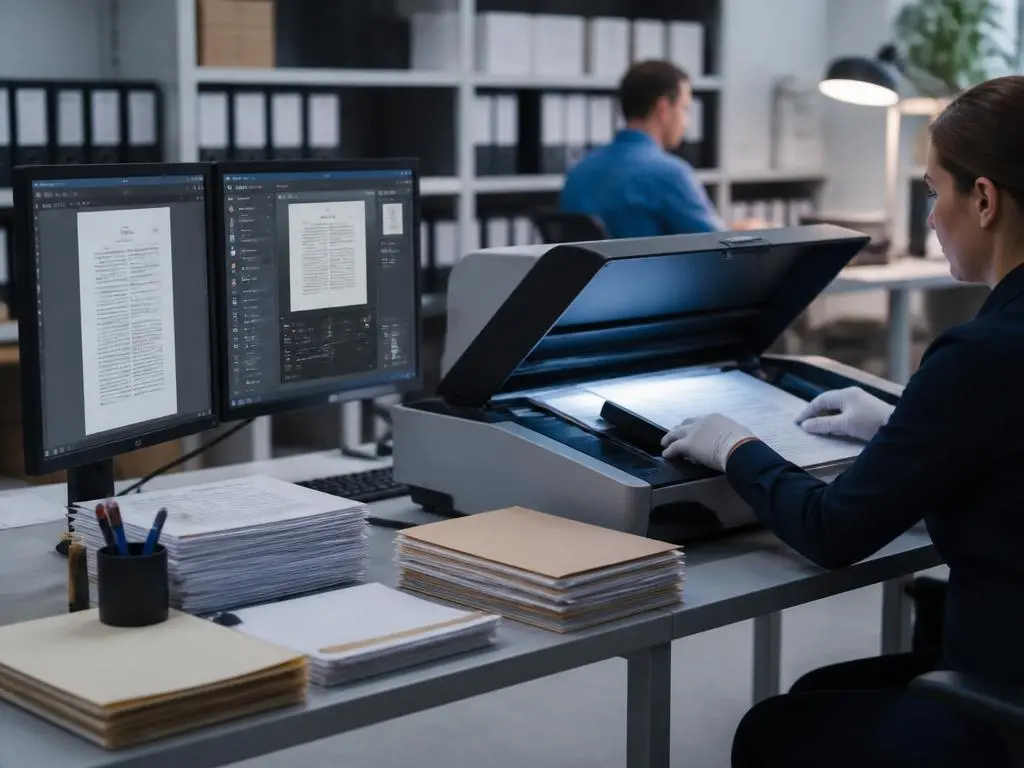
Deciding between physical on-site digitization and off-site scanning processing models is crucial. On-site scanning works well for organizations with strict security mandates that prevent document removal. Off-site processing, conversely, minimizes workplace distractions and is often the most cost-effective scanning alternative.
Secure logistics management is vital when transferring files to off-site facilities. Vetted courier services transport paper files in GPS-tracked, locked vehicles to prevent data leaks. This strict logistic pipeline maintains physical file security from your office threshold to the vendor processing plant.
Hybrid scanning models offer custom flexibility for specialized corporate records management. Companies can scan high-priority active documents on-site while shipping archived records off-site for processing. This practical approach enables businesses to optimize operational budgets while respecting immediate compliance parameters.
Cost structures of paper conversion solutions
Understanding price dynamics helps companies negotiate affordable scanning contracts with local providers. Scanning vendors typically charge per page, with bulk volume discounts lowering the overall project price. Analyzing your physical document volume helps build realistic cost projections and avoids unexpected administrative charges.
Hidden hosting fees can quickly escalate digital management costs if neglected. Some scanning vendors lock scanned data behind proprietary software that requires expensive recurring monthly licenses. Asking about hidden search, extraction, or software maintenance charges ensures long-term budget predictability.
Physical storage savings present a powerful long-term return on administrative investments. Implementing these storage savings allows businesses to focus resources on strategic asset management rather than warehouse rent. Transitioning to paperless workflows eliminates expensive storage fees and frees up valuable office space.
💡 Cost Efficiency Pro-Tip
Purge duplicated or expired records before shipping files to your digitization provider. Eliminating unnecessary physical documents can reduce scan volume costs by up to thirty percent.
Assessing experience and industry reputation
Working with a certified scanning company ensures absolute adherence to industry rules. Organizations with ISO quality certifications guarantee structured workflow pathways and predictable service results. These professional credentials prove that the conversion firm possesses the structural capabilities required for secure corporate digitization.
Verifying authentic client reviews provides valuable insight into vendor performance and reliability. Top-tier providers offer real-world case studies detailing how they resolved complex corporate archiving hurdles. Reviewing past performance testimonials ensures your chosen service has solved similar organizational digitization challenges before.
Vendor financial stability guarantees that your digitization project finishes without unexpected interruptions. Partnering with established, profitable firms prevents the risk of database access losses due to sudden vendor bankruptcy. A stable corporate structure ensures long-term system support and smooth post-project metadata assistance. This stability guarantees that your scanned digital records remain safe and fully functional as technologies change.
Managing change during digital transformation
Employee training is crucial to ensure high user adoption of new software systems. Workers accustomed to physical files might struggle with search features without proper initial instruction. Investing time in collaborative training sessions guarantees that your team utilizes digitized resources efficiently.
Decommissioning old physical filing cabinets requires a safe and secure plan. Once digital database copies are verified, old paper files must be securely shredded. Vetted industrial shredding partners provide official destruction certificates to guarantee compliance with corporate privacy laws.
Creating modern document retention policies helps prevent future physical archive accumulation. Establishing clear electronic guidelines determines how long digital and paper files should be kept. This ongoing maintenance framework helps companies systematically archive digital files while maintaining efficient server storage limits.
| Scanning Model | Primary Advantage | Best Suited For |
|---|---|---|
| On-Site Scanning | Maximum security; files never leave. | Highly confidential legal and financial archives. |
| Off-Site Scanning | Lower cost; zero office distraction. | Bulk archiving of historical business records. |
Maximizing value from your scanning partners
Drafting a precise service level agreement ensures predictable digital output results and clear vendor performance expectations. This formal contract must define acceptable character recognition percentages and document turnaround times. Setting these operational metrics protects your corporate budget and holds your chosen scanning partner fully accountable throughout the process.
Breaking large-scale physical conversion efforts into achievable digital project phases prevents operational bottlenecks. Setting specific digital delivery milestones allows your quality assurance team to audit processed files continuously. This gradual conversion approach ensures that systematic scanning issues are resolved successfully before processing the bulk of your corporate archive.
Ongoing software maintenance and technical support are crucial for long-term digital project success. As operating systems update, digitized databases require security patches and database optimization. Partnering with a supportive digitization team ensures that system files remain secure and accessible as tech evolves.
Choosing your document digitization services
Procurement departments need a comprehensive operational criteria checklist when assessing local document scanning companies. Comparing secure digital encryption capabilities, project prices, and certified customer references simplifies the decision. This standardized evaluation framework helps business managers select reliable scanning partners that fit long-term administrative budget limits.
Starting your enterprise digitization project with a small-scale scanning pilot helps identify potential database integration issues. Scanning a small batch of various document styles tests file processing speeds and search metadata capture. This preliminary test run lets you optimize index layouts before initiating full-scale historical archiving workflows.
Building a highly scalable system architecture ensures your database handles future business expansion. Business leaders navigating modern technology must prioritize digital database scalability. Selecting compatible cloud software lets your IT department expand storage resources easily as digitized records multiply over the coming years.
✅ The Pilot Phase Advantage
Never skip the initial pilot test! Running a trial phase with less than one thousand documents reveals layout issues, metadata errors, and workflow bottlenecks before you commit your entire budget.
Ensuring regulatory compliance in digital storage
Ensuring strict regulatory compliance in digital storage helps avoid legal disputes. Digitized files must meet specific electronic storage standards to hold legal value in court. Partnering with a certified digitization expert ensures that your digital archives adhere to current federal compliance requirements and security standards.
Developing a disaster recovery plan protects your newly digitized records from technical failures. Unlike physical paper, electronic files can be backed up automatically across multiple geographical servers. This redundancy ensures that your business operations continue smoothly even during local server outages or hardware errors.
Minimizing document preparation bottlenecks is another critical stage in paper conversion. Technicians must physically remove staples, paperclips, and sticky notes before files enter scanners. Discussing how your service provider handles document preparation avoids unexpected labor charges and speeds up the scanning process.
Future-proofing your newly digitized repository
High-quality document digitization services help streamline daily remote collaboration. Virtual employees can access indexed files from home networks, eliminating the need to search physical office cabinets. This improved operational flexibility boosts employee output and simplifies team communications across diverse offices.
Digitized files also reduce the overall carbon footprint of your business operations. Eliminating the need for continuous paper printing and physical document shipping supports green corporate initiatives. Shifting to digital archives demonstrates your commitment to environmental sustainability while simultaneously reducing high administrative supply budgets.
Enhancing customer service delivery is a major benefit of digitizing your physical business files. Client support agents can retrieve customer contract histories instantly, resolving critical issues in real time. This immediate information retrieval builds strong client trust and sets your business brand apart in competitive modern markets.
Safeguarding original paper documents after scanning requires highly professional organization. Many business leaders decide to retain certified physical copies of historical agreements for legacy legal reasons. Specialized scanning providers offer secure off-site storage solutions with advanced temperature controls to preserve delicate physical paper files safely.
Modern data categorization tools use automated sorting systems to index digitized legacy files. Intelligent system software reads incoming text and automatically assigns files to their correct network folders. This automated categorization minimizes manual indexing errors and ensures your digital document database stays highly organized indefinitely.
