
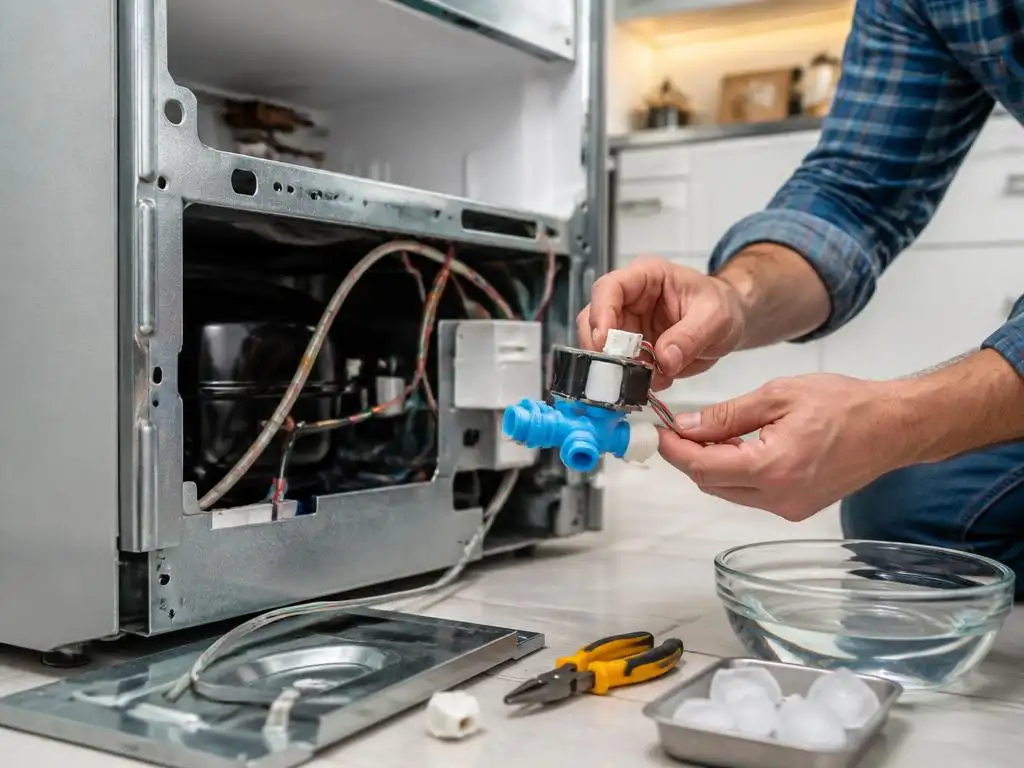
When your freezer stops producing ice, the culprit is often a faulty water valve for ice maker components. Understanding the mechanics behind this small but vital part can save you from expensive repair bills or unnecessary appliance replacements. Many homeowners face this issue when the supply line becomes clogged or the solenoid fails to engage. By identifying the symptoms early, you can restore your chilled water and ice supply quickly. Before calling a professional, it is wise to perform a few basic diagnostic checks to determine if the hardware requires a simple cleaning or a total part replacement.
Reliable performance is essential for any modern kitchen, and if you are running a food establishment, downtime is even more critical. You might consider the benefits of investing in specialized equipment if your residential unit cannot keep up with your needs. However, for most home systems, the inlet valve is the primary gatekeeper of your water flow. When debris from aging supply lines enters the valve, the rubber seals often fail to close properly, leading to leaks or complete flow blockage within your system.
💡 Essential diagnostic steps
- Check for kinks in the plastic tubing behind the unit.
- Verify that the saddle valve is fully open and functional.
- Listen for a humming sound when the unit calls for water.
- Inspect the mesh screen filter for sediment buildup.
Why is your water valve for ice maker failing?
Several factors contribute to the deterioration of your ice production hardware. Over time, mineral deposits from hard water accumulate inside the internal chambers of the valve. This calcification prevents the electromagnetic plunger from moving correctly, effectively starving your unit of incoming liquid. Additionally, fluctuations in local water pressure can stress the delicate diaphragm, causing it to tear. Routine maintenance, such as flushing the line periodically, can significantly extend the lifespan of these components and keep your system running smoothly during the hot summer months when you need it the most.
If you find that your current appliance is consistently unreliable, you might want to look at an essential guide for choosing a more robust model. Consistent mechanical failures often suggest that the internal architecture of the unit is no longer suitable for your household volume. Investing in better hardware reduces the frequency of these repairs. Remember that the water valve is just one part of a larger, interconnected system that relies on consistent pressure and cleanliness to function at its absolute peak capacity every single day.
Diagnostic procedures for solenoid issues
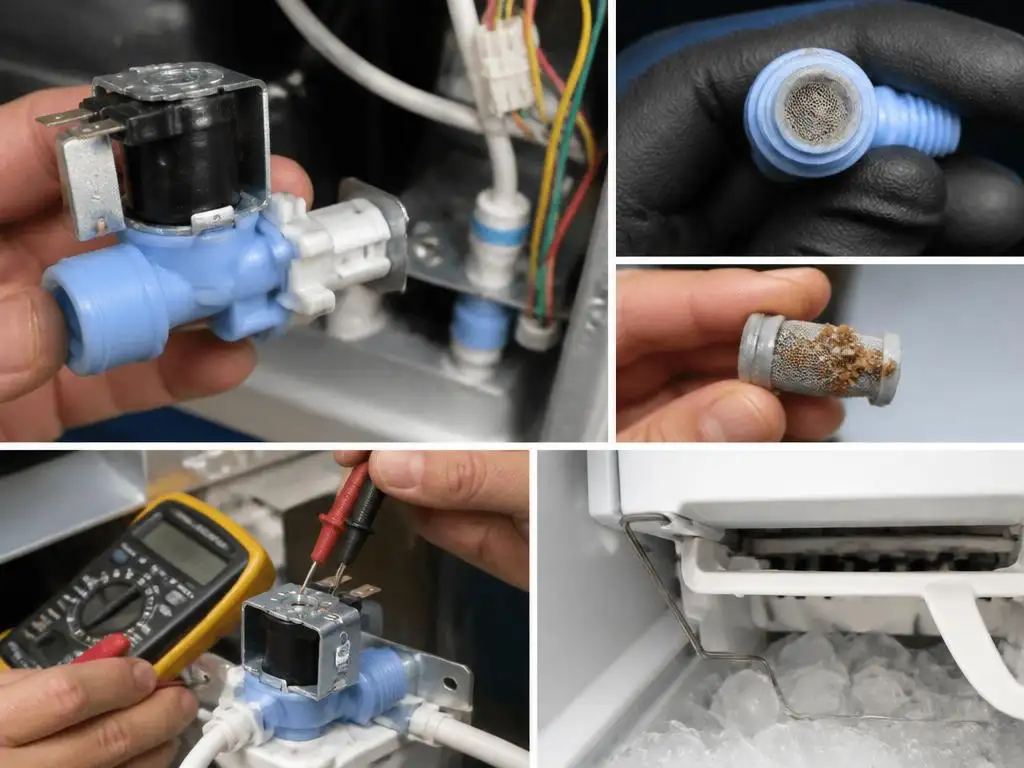
To verify if the electrical side of your water valve for ice maker is still operational, you need a basic multimeter. Unplug the refrigerator and access the back panel where the valve is mounted. Carefully disconnect the wires leading to the solenoid and test for electrical continuity. If the device shows no resistance, the coil is burnt out and must be replaced immediately. This simple test prevents you from buying parts that you do not actually need, ensuring your troubleshooting process remains efficient and cost-effective throughout the entire repair cycle.
Many users find that local professionals, such as expert SEO consultants in specialized fields, have specific advice on how to find reliable parts and services. Just as you research business growth strategies, applying logic to appliance repair ensures success. Always document the model number of your refrigerator before ordering a replacement valve. Manufacturers often release updated versions of these parts, so verifying compatibility with your specific serial number is a crucial step that prevents further compatibility issues during the installation process later on.
⚠️ Safety precautions
Always disconnect the power supply and turn off the main water line before attempting any repairs. Water and electricity are a dangerous combination, and taking these precautions ensures your personal safety while working behind the appliance. Use a drip pan to catch residual moisture.
Preventing future blockages and leaks
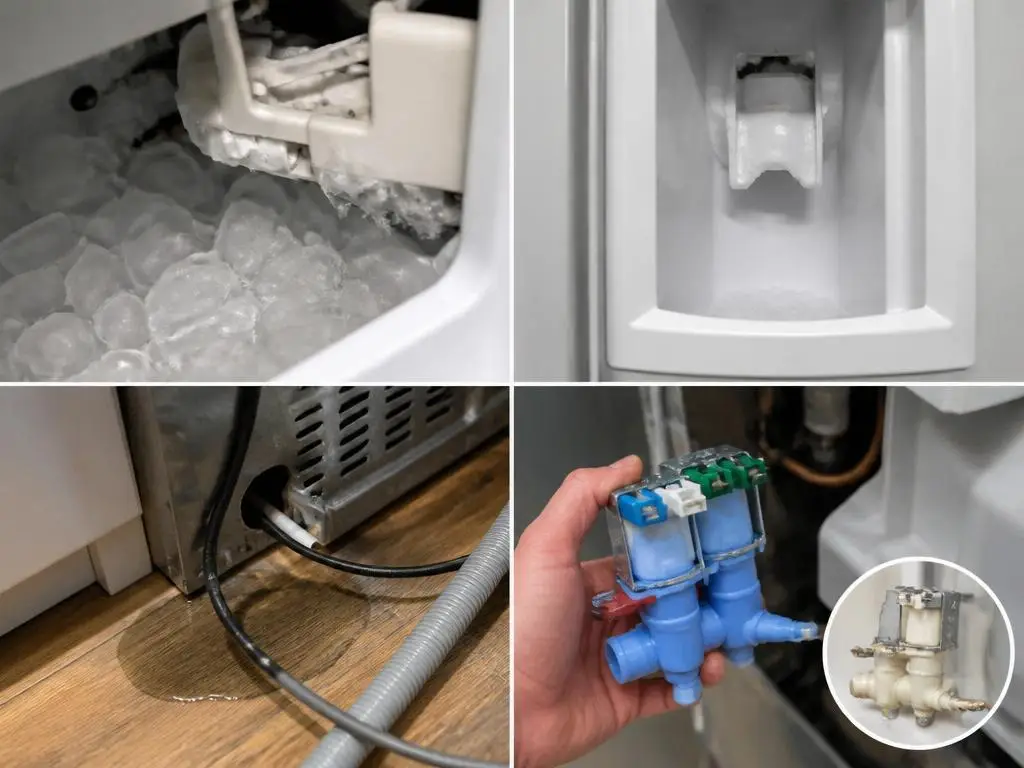
To keep your water supply flowing, consider installing an inline water filter if your refrigerator does not already have one. This simple addition traps sediment before it reaches the valve, preventing the common clogs that frustrate many owners. Changing this filter every six months is a low-cost insurance policy for your appliance. Furthermore, keep the area behind your refrigerator clear of dust and debris to allow for proper airflow. A clean environment keeps the internal components cool and functioning well, reducing the risk of premature electrical failure in the solenoid coils.
Managing a household appliance is similar to managing a commercial space, such as leasing office space, where maintenance is key to long-term value. When you prioritize the health of your water delivery system, you avoid the headache of unexpected leaks or flooded kitchen floors. Small, proactive adjustments to your maintenance schedule pay off in the long run. By staying observant, you can catch minor issues before they escalate into major water damage, keeping your kitchen environment safe, clean, and fully operational at all times.
✅ Pro maintenance tips
Keep your refrigerator coils clean to prevent the unit from running too hot. Excessive heat can accelerate the degradation of plastic components and rubber seals within the water distribution system. A vacuum attachment works perfectly for this task.
When to hire a professional technician
Sometimes, the problem lies deeper within the control board rather than the valve itself. If you have replaced the valve and the water still refuses to flow, the signal from the main motherboard might be interrupted. This is a more complex issue that requires specialized knowledge of appliance circuit boards. Attempting to repair a motherboard without proper training can result in further damage to your appliance. In such cases, seeking a professional repair service is the safest and most efficient path to restoring your ice maker to full working order.
Professional technicians have access to diagnostic software that can simulate the cycle of your refrigerator. They can quickly determine if the inlet valve is receiving the correct voltage. While DIY repairs are empowering, recognizing your limits is part of being a responsible homeowner. They can also perform a final pressure test to ensure no leaks exist after the installation. Having a professional verify the work provides peace of mind, knowing that your kitchen system is safe from potential water leaks that could cause significant structural damage to your cabinetry or flooring.
🛑 Critical warning
Never bypass the factory-recommended valve pressure requirements. Using a valve meant for a lower-pressure system can lead to catastrophic leaks. Always use original equipment manufacturer parts to ensure the correct flow rate and safety standards are maintained for your specific refrigerator model and household plumbing setup.
Ensuring consistent ice production
Maintaining the water valve for ice maker longevity requires consistency and attention to detail. Once you have successfully troubleshot the system, regular check-ups will keep everything in top shape. Pay attention to the quality of your ice; if it starts to taste strange or if the cubes are smaller than usual, it is a sign that your water filtration system needs immediate attention. Fresh, clean water ensures that your ice remains clear and odor-free, which is essential for drinks and entertaining guests. Stay proactive, and your machine will serve you reliably for years to come.
Ultimately, a functional kitchen relies on the smooth operation of all its small, hidden parts. By understanding how the solenoid valve operates and keeping the supply lines clean, you take control of your home maintenance. Whether you choose to handle these minor repairs yourself or bring in professional help, the goal is always the same: efficiency and reliability. As you master these simple skills, you gain the confidence to handle other common household issues, creating a more sustainable and well-maintained living space that serves your daily needs without any unwanted interruptions or unexpected costs.
📊 Comparison of common failure signs
If your ice maker is acting up, look at these symptoms. A no-flow situation often indicates a clog or bad solenoid, while continuous leaking points toward a faulty diaphragm that fails to seal when the power is cut off. Both situations are standard repair scenarios that can be diagnosed with the steps provided in this guide.
