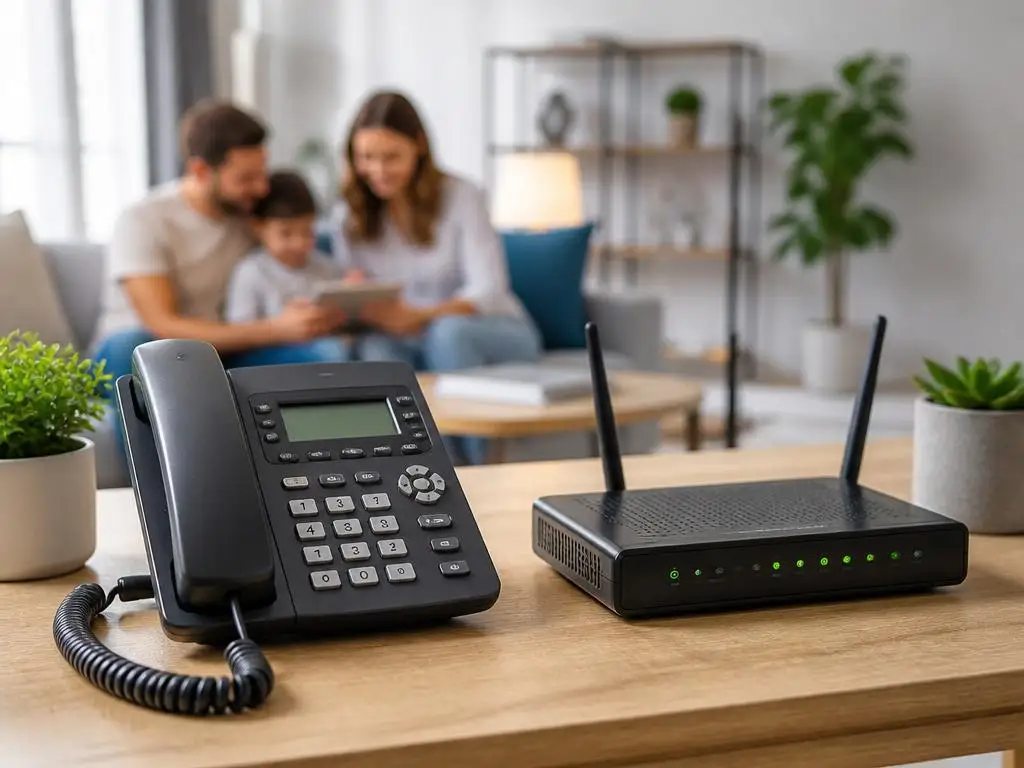
Deciding to port home phone to voip is a major step toward modernizing your household communication system. Many homeowners hesitate to transition from traditional landlines to cloud-based telephone networks because they fear losing their long-held contact numbers. However, transferring your existing landline to a digital service offers incredible flexibility and unmatched modern features.
This strategic migration not only slashes your monthly utility bills but also ensures you remain reachable anywhere in the world. Discover how this simple digital migration works and why making the switch today will safeguard your personal connectivity for years to come.
Why you should port home phone to voip for savings
Traditional copper phone lines have become increasingly expensive to maintain over time. Telecom giants continue to raise prices on legacy systems to push consumers toward digital infrastructure. Making the transition allows households to enjoy identical service at a fraction of the historical cost, freeing up valuable monthly household budget.
When you choose to port home phone to voip, you immediately eliminate various unnecessary regional connection fees. Modern digital services utilize your existing broadband network, which means you no longer pay for double infrastructure. This consolidation of utilities leads to predictable billing cycles and substantial cumulative annual financial relief for families.
🔑 Key Benefits at a Glance
- Immediate monthly utility cost reduction
- Retention of your established family telephone number
- Elimination of legacy maintenance surcharges
- Access to advanced call screening tools
Beyond the immediate monetary advantages, cloud telephony offers a suite of advanced features for free. Features like voicemail-to-email dispatch, automated call blocking, and call forwarding usually cost extra on traditional plans. Transitioning your number lets you access these tools without paying premium add-on fees to legacy telecom providers.
How to prepare for a smooth number transfer process
Before initiating any formal request with a new digital provider, you must secure your latest utility invoice. This document contains your exact billing name, service address, and account identification number required for verification. Any typographical mismatch between these records and your request can trigger a system rejection, delaying your transition.
It is crucial to leave your current landline service active during the entire administrative migration phase. If you prematurely cancel your copper subscription, your number will release back into the general pool, making it impossible to retrieve. Your new provider will handle the cancellation automatically once the digital transfer successfully finishes.
💡 Quick Preparation Checklist
Verify your physical billing address matches your identity documents perfectly. Keep your current line active until you receive an official confirmation email. Locate your security PIN or account passcode to finalize the carrier transfer authorization securely.
You should also check for any outstanding contractual obligations with your current analog carrier before moving forward. Settling old balances prevents administrative holds and ensures a seamless path toward your new service. This preparation guarantees that your migration proceeds without unnecessary hurdles or frustrating delays from previous providers.
Understanding the port home phone to voip timeline
Many consumers worry that transferring their established landline identifier will result in weeks of communication silence. In reality, the modern administrative process is highly streamlined and regulated by federal telecommunications authorities. Most providers can complete the technical migration within three to ten business days without any physical disruption to your daily setup.
During this brief interim period, your old copper line remains fully operational until the exact migration moment. The actual transition occurs almost instantaneously behind the scenes once the new carrier claims the routing coordinates. You simply keep your telephone connected to the old wall jack until the signal swap is officially confirmed.
Avoiding service interruption during the move
To prevent any service interruption, double-check that your internet connection is active and stable before scheduling the migration date. Configuring your new hardware adapter ahead of time ensures that the digital line is ready to receive incoming calls immediately. This careful planning guarantees that your family remains reachable throughout the entire provider migration process.
The step-by-step guide to digital line migration
The first active step involves selecting a reliable digital voice provider that fits your residential budget. Once selected, submit an official letter of authorization detailing your intent to transfer your personal number. This legal document gives the new company the explicit authority to negotiate the transfer directly with your legacy carrier.
After submission, wait for your new provider to send a confirmed porting date via email. On the scheduled day, connect your analog telephone adapter to your home internet router using an ethernet cable. Test the system by making a few outbound calls to verify that the digital audio signal is strong.
Essential hardware for your new setup
Transitioning to digital telephone service does not mean you have to discard your favorite physical handsets. Most traditional analog phones can easily connect to modern networks using a small hardware adapter. This affordable device acts as a translator, converting analog signals into digital packets that travel across broadband.
Alternatively, you can purchase native IP phones that plug directly into your home router via ethernet cables. These modern devices offer superior sound quality and direct access to cloud-based settings straight from the built-in screen. They represent an excellent long-term investment for households seeking the highest tier of audio clarity.
For those who prefer a clutter-free environment, virtual software applications are a highly convenient modern option. You can install these lightweight programs on your existing personal computers or mobile smartphones to handle calls. Managing your communications through software eliminates physical clutter while keeping you connected wherever you go.
Common challenges during home number porting
While the overall process is straightforward, certain localized issues can occasionally arise during digital phone migrations. For instance, some rural exchanges operate on older switching systems that require extra coordination between legacy carriers. Recognizing these potential bottlenecks beforehand helps you set realistic expectations for your overall system upgrade timeline.
Address mismatches remain the primary reason why automated transfers experience temporary administrative rejections from national databases. If your physical location has changed recently, ensure your billing records reflect the correct geographic details. Taking this simple step ensures that your authorization documents pass system validation on the first attempt.
| Feature | Traditional Landline | Digital VoIP Service |
|---|---|---|
| Monthly Cost | High (plus hidden fees) | Very Low (flat rate) |
| Mobility | Fixed to home walls | Available on mobile apps |
| Advanced Features | Expensive add-ons | Included for free |
Another issue involves legacy security systems that rely heavily on analog dials to transmit emergency alerts. If your home security setup uses a traditional line, you must notify your security provider beforehand. They can help you transition to cellular or internet-based monitoring solutions to keep your home fully protected.
How broadband stability impacts call quality
Because cloud communication relies entirely on your home internet connection, bandwidth stability is extremely critical. High-speed broadband easily accommodates voice data alongside regular web browsing and high-definition video streaming. However, heavy network download traffic can sometimes degrade audio clarity if your router is not configured correctly.
Implementing quality of service settings on your local router can prioritize voice packets over other traffic. This optimization ensures crystal-clear conversations even when family members are downloading large files or streaming media. Understanding how your home network operates helps maintain highly reliable communication paths for your entire household.
If your smartphone struggles with network configurations in similar digital environments, learning how to troubleshoot is useful. For example, knowing how to resolve android network configurations can prevent general connectivity issues at home. Keeping your wireless network updated ensures all smart devices connect seamlessly to the web.
The real cost difference of digital voice services
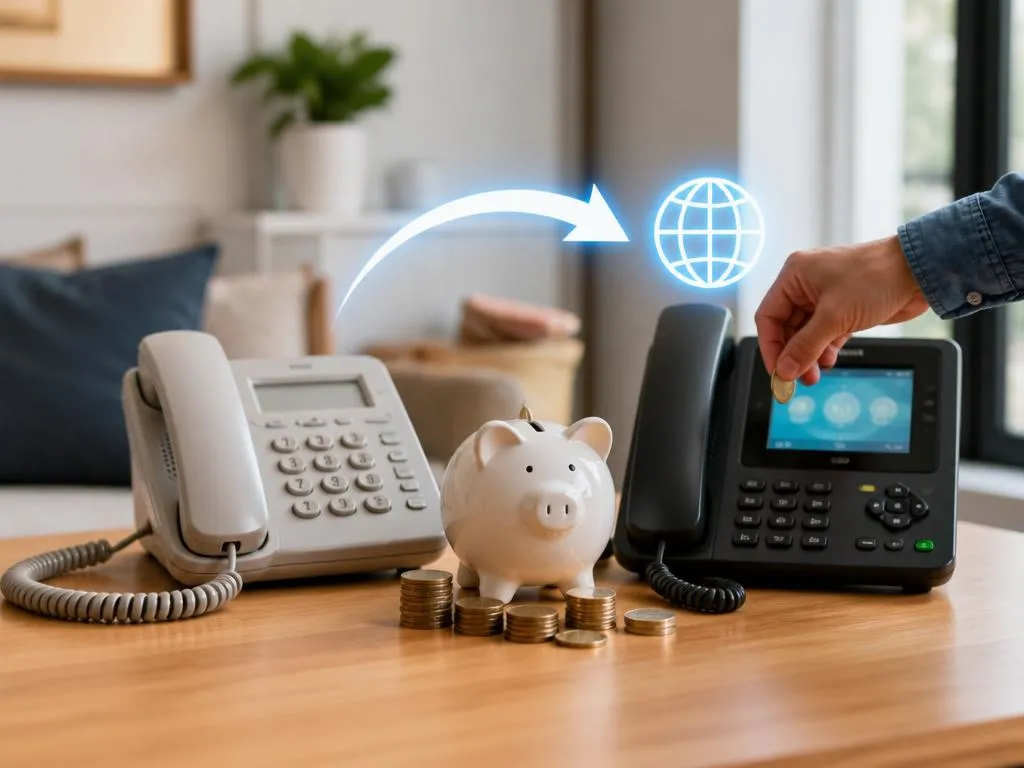
The financial contrast between traditional copper lines and modern internet calling options is truly remarkable. Standard analog utility packages frequently include hidden surcharges, regulatory recovery fees, and long-distance tolls that inflate bills. Switching to cloud-based communication systems offers highly transparent pricing structures that eliminate these unexpected monthly expenses.
Most digital service providers offer flat-rate packages that include unlimited nationwide calling at minimal rates. This predictability allows households to budget accurately without worrying about the duration of their long-distance conversations. Over time, these substantial savings accumulate, allowing families to allocate funds toward other highly important domestic priorities.
« Transitioning away from copper-based home utilities is not just an upgrade in technology; it is one of the easiest ways for modern families to regain control over their household expenses. »
Businesses and organizations also experience similar structural savings when shifting away from antiquated communication systems. Understanding how resource allocation impacts growth is essential for local communities aiming to expand their economic footprint. Implementing smart infrastructure choices, such as utilizing modern local economic progress strategies, naturally benefits both businesses and residents alike.
Choosing the right digital telephone provider
Selecting an appropriate service partner requires comparing available features, customer support quality, and pricing structures. Look for companies that specialize in residential services and offer clear instructions for transferring your existing number. Reading user reviews always provides valuable insights into the overall reliability and performance of their digital network.
Some providers cater specifically to technology enthusiasts, offering deep customization and advanced call routing tools. Others focus on simplicity, providing plug-and-play adapters that mimic the traditional landline experience perfectly. Identifying your family’s specific communication requirements ensures you choose a platform that everyone can comfortably use.
To optimize your digital choices, applying analytical strategies similar to digital marketing can be highly effective. For instance, studying complex keyword selection strategies highlights the value of data-driven decision-making. Applying this structured analytical approach helps you filter through provider features to find the absolute best options.
Security considerations for cloud-based phone lines
Security is a vital component when transitioning your primary home communications to an internet-based infrastructure. Modern voice providers implement advanced encryption protocols to protect your private conversations from external interceptors. Choosing a provider that prioritizes data security ensures your household communications remain completely confidential and secure always.
Additionally, digital systems offer superior protection against fraudulent robocalls and sophisticated spam attempts. Advanced call-screening algorithms verify incoming caller identities before your physical phone even rings on your desk. This protective layer reduces annoying interruptions and safeguards vulnerable family members from malicious phone-based scams.
⚠️ Critical Safety Reminder
Always ensure your internet phone provider supports E911 services. Unlike traditional landlines, internet lines require you to register your exact physical address online so that emergency responders know where to find you during an urgent situation.
It is also important to consider emergency dialing capabilities when transitioning to internet-based communications. Modern digital carriers utilize enhanced emergency routing systems that automatically transmit your physical address to local responders. Keeping your digital service profile updated with your correct geographic address ensures rapid emergency response times.
Optimizing your home network for digital calling
To achieve the best possible performance, your home network router should be positioned centrally. Placing the router away from thick walls and metal appliances prevents signal degradation across your wireless connections. A strong wireless signal ensures that software-based telephone calls remain completely stable throughout your entire home.
If you use physical adapters, connecting them directly to your main router via ethernet is highly recommended. Physical cable connections offer far greater stability than wireless signals, eliminating potential audio jitter and packet loss. This simple hardware configuration guarantees a premium calling experience that rivals traditional copper landlines.
Regularly updating your router firmware also plays an important role in maintaining consistent voice connection quality. Manufacturers frequently release updates that improve packet routing efficiency and patch potential security vulnerabilities in your system. Keeping your hardware updated ensures a safe and highly reliable residential communication network.
The final verdict on modern residential calling
Embracing internet-based calling options represents a broader cultural shift away from physical copper line infrastructure. As national telecom companies phase out legacy networks, digital voice services are becoming the standard communication platform. Adapting to this technology now prepares your household for a fully digitized future without any sudden service disruptions.
The transition also minimizes the environmental impact associated with maintaining thousands of miles of heavy copper cabling. Digital systems rely on shared server networks that consume far fewer physical resources over their operating lifespan. By switching, you contribute to a cleaner, more efficient technological ecosystem for future generations.
🌟 Key Advantages of Making the Switch
- Keep your existing residential telephone identity
- Access call logs and messages on mobile devices
- Dramatically decrease standard operational expenses
- Experience high-definition audio with modern adapters
Ultimately, modernizing your communication tools improves how you connect with friends, family, and professional services worldwide. The combination of cost savings, mobility, and advanced security makes cloud calling an undeniable upgrade for modern households. Transitioning your classic number guarantees that your legacy remains connected to the modern digital world.
Once your classic number is safely migrated, you can explore the extensive administrative portal of your provider. These digital dashboards allow you to manage contact lists, review detailed call logs, and set custom do-not-disturb schedules. Having centralized control over your home telephone system makes coordinating daily family communications incredibly effortless.
You can also configure your system to forward voice messages as audio files directly to your personal email inbox. This feature allows you to listen to important family updates even when you are far away from home. Staying connected in this flexible manner ensures you never miss critical updates from loved ones.
Some digital platforms even support virtual text messaging using your transferred residential phone number. This feature lets you send and receive SMS messages on your computer or mobile tablet with ease. Integrating text messaging capabilities adds a highly modern layer of convenience to your traditional household telephone number.
Before submitting your official transfer request, double-check all information on your submission form for accuracy. Minor mistakes in your billing address or account number can delay the entire migration process by several days. Taking a few moments to verify these details ensures a fast and hassle-free transition.
Once the migration is complete, perform a few test calls to ensure everything is working correctly. Check the outbound caller ID display to confirm your correct phone name is being sent over networks. Verifying these final details guarantees that your residential voice over IP system operates perfectly from day one.
Embracing this modern communication standard ensures your home stays connected efficiently while dramatically reducing your monthly utility expenses. The transition from legacy systems to digital platforms represents a smart investment in your home’s technological future. Enjoy the freedom, savings, and advanced features that come with your new digital telephone line.
