
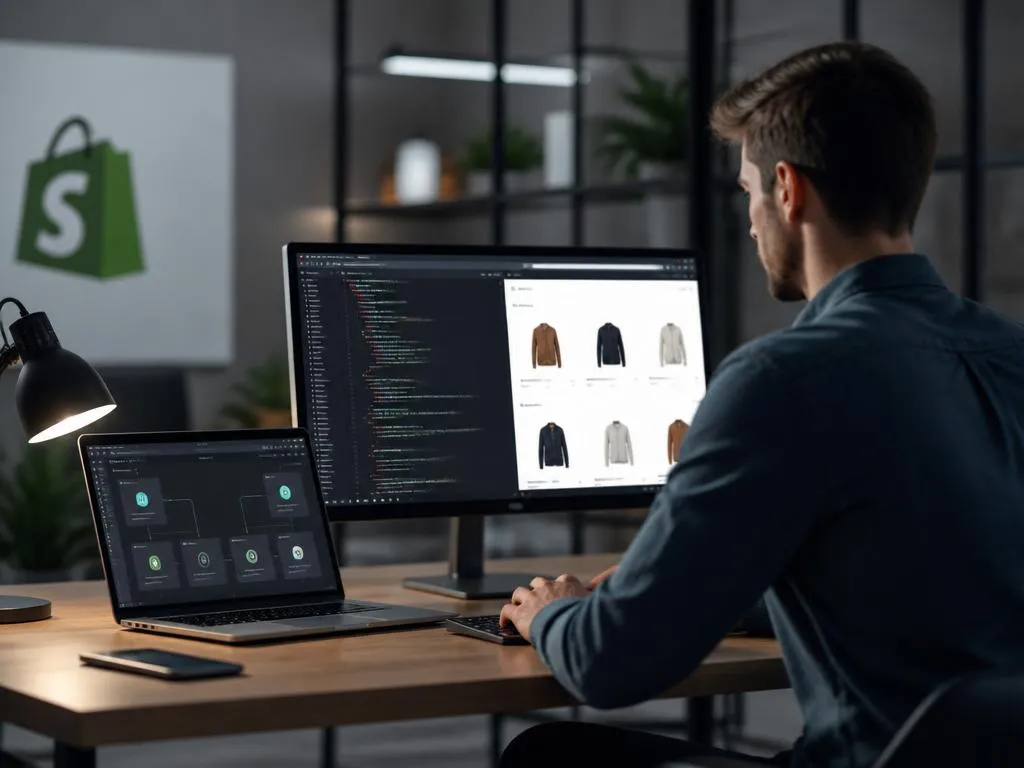
In the evolving landscape of online retail, many enterprises are turning to a decoupled framework to gain total control over the user journey. Implementing a headless commerce strategy with Shopify Plus allows businesses to separate their frontend storefront from the backend administrative engine. This modular approach provides developers with the flexibility to craft unique customer interfaces while leveraging the robust security and stability of a proven ecommerce platform. By decoupling these layers, companies can deliver high-performance digital experiences across multiple channels without being constrained by traditional, monolithic templates that often limit design creativity and speed.
Choosing the right technical foundation is essential for brands looking to maintain a competitive edge. Shopify Plus provides the underlying infrastructure that handles complex transactions, inventory management, and secure checkouts, enabling teams to focus on building bespoke frontend applications. By integrating this setup, merchants can maintain the agility required to stay ahead in a fast-paced market. This guide explores the strategic benefits of this architectural shift and how it helps businesses reach their growth objectives. Let us examine the technical nuances that make this pairing a powerful solution for modern retail enterprises today.
Benefits of decoupling the frontend
The primary advantage of adopting a headless commerce architecture lies in the freedom it grants to design teams. When the storefront is not tied to the platform’s native themes, you can push the boundaries of user experience design. This creative autonomy results in lightning-fast page loads and highly interactive layouts that convert better.
Speed is a critical factor for any successful online business. When you utilize the Storefront API provided by your platform, you ensure that content delivery is optimized for performance. Users appreciate seamless transitions between pages, which directly contributes to higher retention rates. This efficiency is the foundation of modern workflow automation tools within your stack.
Managing content across different devices can be challenging if your platform is too rigid. With a decoupled architecture, you can push product data to mobile apps, smart devices, and web kiosks simultaneously. This omnichannel capability ensures that your brand voice remains consistent regardless of the medium, creating a truly unified shopping experience for customers.
How does API-first development support growth?
An API-first approach means that every function of the store is accessible via calls. This allows developers to integrate third-party services like advanced search engines or loyalty programs with ease. Instead of building from scratch, your team can plug in best-in-class solutions to enhance the functionality of your store without compromising the core system integrity.
Reliability is paramount when handling high traffic volumes during sales events. By using a managed backend for transactions, you reduce the risk of system failures that often plague custom-built platforms. Your technical team can focus on improving the interface while the infrastructure experts maintain the stability needed for large-scale operations and secure data processing.
Optimizing your technical stack
To master the implementation of these complex systems, consider the parallel advancements in creative technology, much like learning ai filmmaking techniques. Both require a deep understanding of the underlying framework to produce high-quality results. Precision in configuration is the difference between a functional site and a high-converting digital storefront that captivates your specific audience base.
Security is another critical pillar for global brands. Keeping your sensitive customer data protected requires a robust backend that receives frequent updates. Shopify Plus handles the heavy lifting of PCI compliance and server-side security patches. This leaves your developers to concentrate on building intuitive customer journeys, knowing that the foundation is already hardened against potential threats.
For those running advanced development environments, maintaining a clean local setup is essential. Whether you are using a Windows container on an open-source OS or building a complex React app, ensuring your environment is optimized is key. Mastering how to run virtual machines can assist in testing your headless implementations before they go live in production, ensuring a bug-free experience for your end users.
Scalability for global enterprise operations

As your business expands into new markets, your platform must adapt. Headless systems allow you to deploy localized storefronts quickly without altering the backend logistics. You can launch localized marketing campaigns and unique region-specific features while keeping your inventory and order management centralized in one administrative hub, ensuring efficiency across your global operations.
Data consistency is vital for maintaining customer trust. When you scale your operations, having a single source of truth for all your product information prevents errors. The integration between your custom frontend and the backend ensures that price updates and stock levels are reflected in real-time, providing users with accurate information throughout their entire shopping journey.
Key metrics for success
- Improved page load speeds and lighthouse scores.
- Increased conversion rates due to better UX.
- Enhanced flexibility for marketing teams to launch pages.
- Reduced technical debt by leveraging managed services.
The transition to a headless environment is not just a trend but a strategic move for brands aiming for long-term sustainability. It enables the adoption of new technologies as they emerge, allowing you to swap out frontend components without replacing your core engine. This adaptability is the hallmark of a future-proof ecommerce strategy for enterprise brands.
Finally, audio and connectivity standards play a role in high-end digital marketing production. Just as pro audio equipment requires high-quality cables for clean signals, your digital infrastructure requires clean API calls to maintain data integrity. A well-designed headless system ensures that your content delivery is as clear and impactful as possible, leaving no room for errors in the customer experience chain.
Adapting to the future of retail tech
Innovation in retail is moving toward more personalized and immersive interactions. Headless systems support technologies like Augmented Reality, voice-activated purchasing, and IoT devices. By exposing your store via APIs, you ensure your brand is ready to meet customers on any new platform that arrives tomorrow. This preparedness is essential for maintaining your competitive market position.
Your team’s ability to iterate quickly will define your success. With a decoupled approach, designers and developers can work in parallel. Designers can tweak the layout, while engineers build new backend integrations. This collaborative environment fosters innovation and allows for faster deployment of features that respond directly to consumer feedback and shifting industry trends.
Pro-tip: Always prioritize caching strategies when building your frontend. Even with a powerful backend, the speed of the user interface is determined by how efficiently your frontend framework serves static and dynamic content. Effective caching is the secret to maintaining high-performance results under heavy traffic loads and ensures your site remains accessible even during peak shopping seasons like Black Friday.
The synergy between custom frontend development and enterprise-grade backend infrastructure is clear. By investing in this architecture, you are building a platform that can grow alongside your business. It is a long-term commitment to quality and innovation, ensuring that your customers always receive the best possible version of your brand, regardless of the device they choose to use.
As you evaluate your options, consider the long-term maintenance overhead. While headless provides immense freedom, it also requires a dedicated team to manage the custom frontend. Ensure your staff is prepared for the technical requirements of this setup. With the right investment in talent and infrastructure, you will create a retail ecosystem that stands out from your competition.
