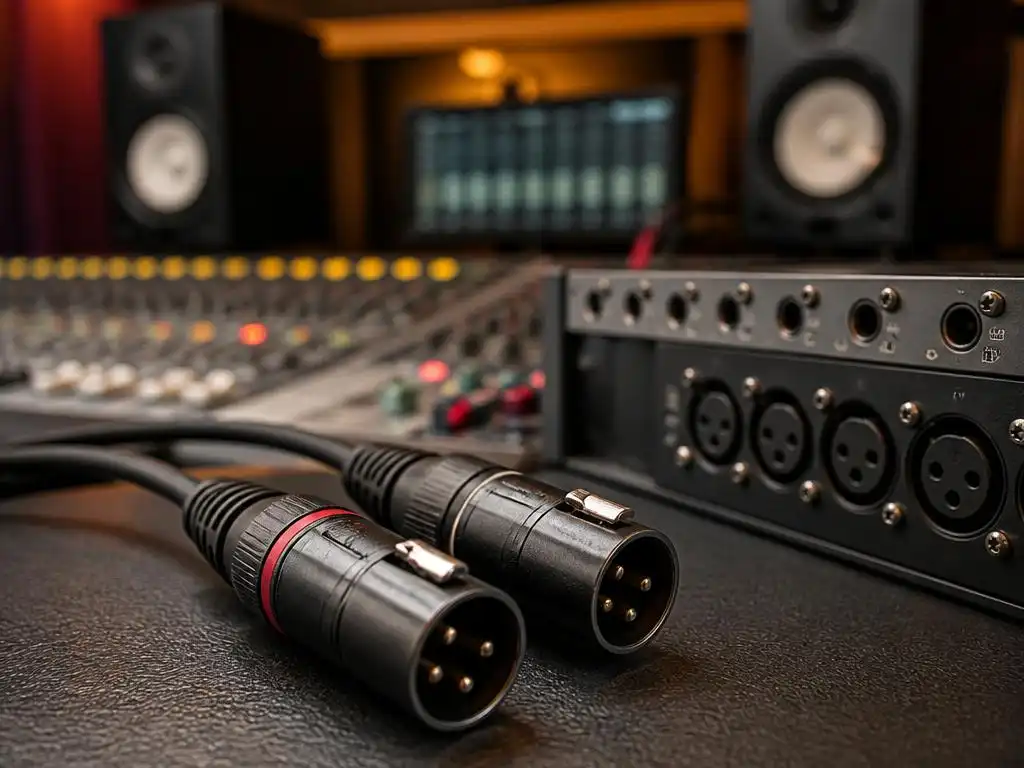
Achieving pristine sound quality in modern studio environments requires a deep understanding of signal transmission. A balanced xlr connection remains the gold standard for professionals because it effectively minimizes interference over long cable runs. By utilizing three pins—ground, positive, and negative—this configuration ensures that external noise is canceled out before it reaches your recording interface or mixing desk. As audio enthusiasts transition from basic consumer gear to professional setups, grasping how these cables interact with different hardware components becomes essential for maintaining high-fidelity audio streams in your workspace or home studio.
Beyond signal integrity, these connectors provide mechanical security and durability that other formats simply cannot match. Whether you are managing complex workflow automation tools or setting up a simple vocal chain, ensuring a stable link between components prevents signal drops. Understanding the physics of phase cancellation allows engineers to diagnose grounding issues quickly when troubleshooting persistent hums or buzzes. This article explores the technical nuances of professional cabling, providing the knowledge needed to optimize your signal path and elevate the overall clarity of your audio productions consistently.
💡 Essential signal mechanics
A balanced connection sends the same audio signal twice but in opposite phases. When the destination device receives both signals, it flips the polarity of one and adds them together. This process effectively removes any electromagnetic interference picked up along the cable path, leaving only the clean audio signal intact for processing.
Decoding the anatomy of a balanced xlr connection
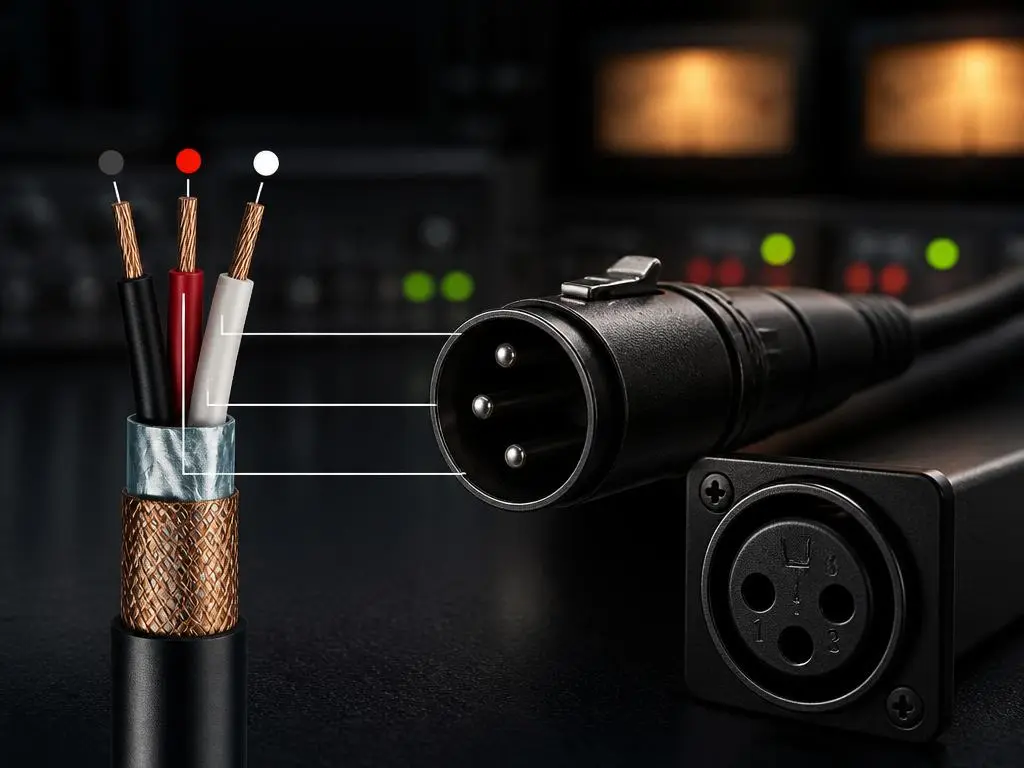
At the core of every high-quality audio chain, the connector serves as the gateway for your sound. Each pin within a three-pole interface serves a specific purpose, allowing electricity and data to flow securely. Pin one typically handles the ground or shield, protecting the internal wires from external electrical fields found in busy studio environments filled with various electronic equipment.
Pins two and three carry the audio information, providing the positive and negative phases required for differential signaling. This design is what makes the balanced xlr connection so resilient against the unwanted noise generated by dimmers, computers, and power cables. Because the interference affects both wires identically, it is easily removed by the balanced input stage.
Professionals must recognize that not all cables are created equal. High-quality shielding and oxygen-free copper wires play a significant role in maintaining the spectral balance of your recordings. Investing in reliable cables prevents signal degradation, ensuring that your audio remains transparent and punchy, regardless of the distance between your microphones and your preamps.
When you start to master ai filmmaking, you might find that your audio setup needs to be equally sophisticated. The digital-to-analog conversion process is only as good as the physical link feeding the converters. Using robust connectors minimizes jitter and electrical noise, creating a solid foundation for every project you undertake in your creative journey.
⚠️ Common troubleshooting tips
- Check your interface settings for phantom power requirements before plugging in microphones.
- Inspect solder joints regularly if you build your own custom cabling.
- Avoid running audio lines parallel to power cords to reduce induction.
- Use high-quality connectors to ensure a tight, low-resistance mechanical fit.
Choosing hardware for your balanced xlr connection
Selecting the right hardware goes beyond just picking a brand. When building a professional studio, you should prioritize devices with dedicated balanced inputs and outputs. Many modern interfaces offer combo jacks that accept both instruments and microphones, but users must verify whether the entire path is truly balanced to avoid accidental noise introduction.
If you are running a virtual machine on linux for heavy production tasks, your audio interface drivers must be rock solid. Latency and signal quality are linked; a poor connection can introduce digital artifacts that frustrate engineers during long sessions. Always ensure your hardware utilizes quality XLR stages to maintain a wide dynamic range across all your tracks.
Understanding input impedance is another factor that impacts your final sound. Microphones require specific input impedances to perform at their best, and the balanced interface ensures that the signal remains uncolored. When your connection is optimized, you experience less crosstalk between channels, which is critical when tracking large ensembles or complex live musical performances.
Do not underestimate the importance of documentation. Whether you are dealing with tax form management or tracking your studio inventory, organized records help you manage your technical assets effectively. Keeping track of which cables are in use and their current condition ensures that your signal path remains pristine for every single recording session you host in your professional studio space.
✅ Pro benefits summary
By implementing professional standards, you effectively lower the noise floor of your recordings. A clean signal allows for more aggressive compression and EQ during the mixing stage without introducing audible hiss. This structural reliability is the hallmark of a successful, professional audio production environment that consistently delivers industry-standard sound results.
Maintaining high performance in complex setups
System maintenance is often overlooked by beginners but remains a priority for experts. Dust and moisture can accumulate inside connectors, leading to intermittent signal failures that are notoriously difficult to track. Using contact cleaners and keeping your studio climate-controlled will significantly extend the lifespan of your expensive balanced cables and input jacks.
Always ensure your patch bays are clearly labeled. In large studios, audio signal integrity relies on the ability to quickly route signals without creating ground loops. A well-designed patching system uses balanced lines throughout, which prevents the introduction of unwanted hums caused by potential differences between chassis grounds of different pieces of connected audio equipment.
Regular stress testing of your cables is also wise. Over time, the internal wires can break near the connector housing due to constant bending. Using a cable tester allows you to identify failing wires before they cause an issue during a critical recording take, saving you valuable time and preventing potential embarrassment during high-stakes professional sessions.
Finally, remember that the quality of your output is only as good as the weakest link in your chain. By committing to professional audio standards throughout your setup, you ensure that every part of your workflow supports the final sound. A focused approach to cabling and connection management will differentiate your studio output from those relying on cheaper, unbalanced consumer alternatives.
