
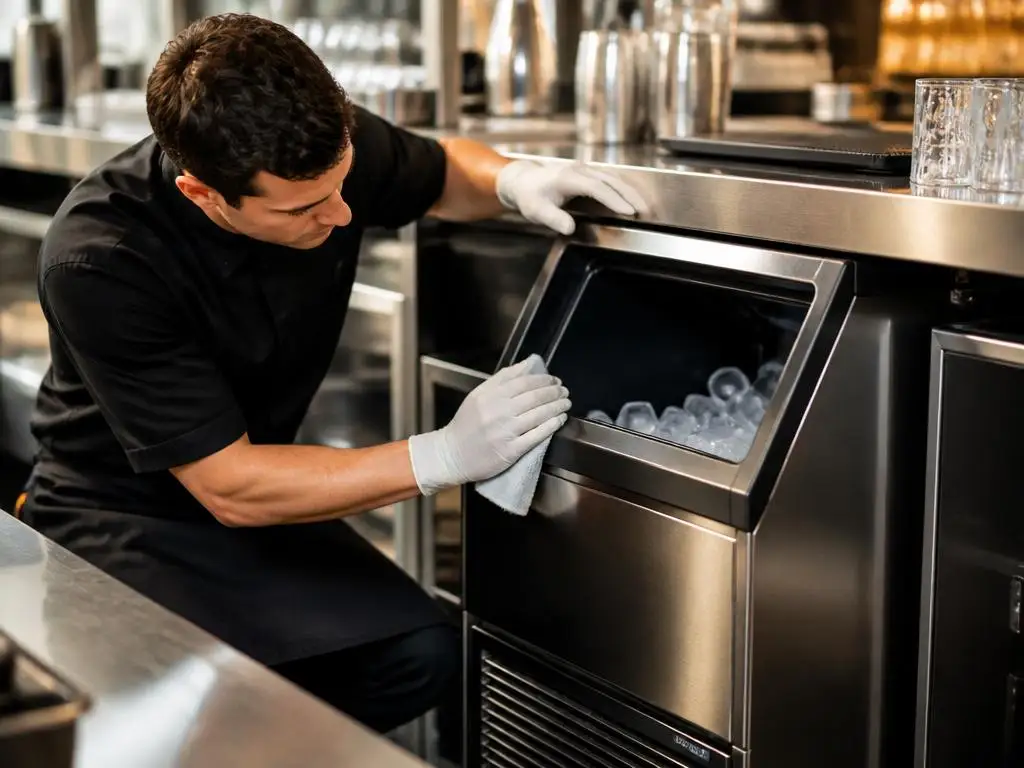
Operating a high-volume food service business requires consistent equipment performance, and understanding the core requirements for maintaining a commercial countertop ice maker is vital. By prioritizing regular sanitation and mechanical checks, owners ensure that their machines produce high-quality, clear ice while preventing common issues like mold buildup or mineral scaling. These simple daily habits protect your investment and ensure compliance with health department standards, which is critical for long-term operational success in any hospitality environment. Focusing on these maintenance basics allows staff to provide clean service while keeping your equipment running smoothly throughout the busiest operational hours.
Beyond simple cleaning routines, professional oversight helps identify potential mechanical failures before they become expensive emergency repairs. Whether you are managing a small cafe or a bustling bar, establishing a reliable schedule for water filtration changes and condenser cleaning is a non-negotiable aspect of ownership. Properly cared for systems work more efficiently, consuming less energy and maintaining lower internal temperatures, which ultimately extends the lifespan of your machine. Embracing these proactive steps prevents downtime and ensures your business maintains a positive reputation for hygiene and quality service among all of your discerning local customers.
💡 Quick maintenance diagnostic checklist
Monitoring your ice production quality is the first step in identifying when technical intervention is required. If you notice cloudy cubes, slow cycle times, or unusual noises during operation, your unit likely needs an immediate deep cleaning or a professional inspection to restore optimal factory performance levels.
Why hygiene is key for machine longevity
The primary concern for any business owner utilizing a countertop unit is the prevention of slime and biofilm formation. Because these machines constantly circulate water, the internal environment is susceptible to bacterial growth if not treated with appropriate descaling solutions regularly. Consistently wiping down high-touch surfaces and internal storage bins prevents contamination from reaching your customers.
Water quality plays a significant role in how often you must perform deep cleaning tasks. High mineral content in your local supply, often called hard water, accelerates scale accumulation on evaporator plates. Installing a dedicated filtration system is a smart operational investment for reducing the frequency of manual chemical treatments required.
When scale builds up, the machine works harder to reach freezing temperatures, leading to premature wear on internal cooling components. Removing this buildup not only improves the flavor profile of the ice but also saves energy costs. A clean system translates directly into a more efficient, quieter, and reliable machine for your daily business needs.
Staff training is another component of maintaining a commercial countertop ice maker effectively. Every employee who handles ice should be aware of sanitation protocols, such as using only sanitized scoops rather than glass cups. These small adjustments in daily workflow reduce the introduction of impurities into the machine, which keeps your service area cleaner and safer.
⚠️ Proactive maintenance warning
Never use abrasive scrubbing pads on the evaporator plates of your ice maker. These components are often plated with nickel or specialized coatings that can be easily scratched, leading to rapid corrosion. Always stick to manufacturer-recommended food-grade nickel-safe cleaning solutions to ensure the structural integrity of your cooling surfaces remains fully intact.
Managing water filtration and drainage systems
Water filtration is arguably the most influential factor in extending the lifespan of your equipment. A high-quality filter traps sediment, chlorine, and minerals that would otherwise coat the internal piping and ice-making mold. Routinely replacing these cartridges according to the manufacturer’s suggested timeline ensures the water flowing into your machine remains crystal clear.
Proper drainage is equally important to avoid water pooling inside the unit, which encourages mold development. Check that the drain line is not clogged and maintains a sufficient gravity drop to allow liquid to exit freely. If you observe stagnant water, it is a clear sign that your drainage path requires immediate clearing or professional adjustment.
Business owners often overlook the importance of digital engagement, yet local search visibility can be influenced by how well-run your facility appears to online reviewers. A clean, well-maintained machine prevents bad impressions. When your equipment functions flawlessly, your staff can focus on customer service, enhancing the overall experience that brings patrons back to your location time and time again.
Consider the placement of your unit as part of your maintenance strategy. Ensure there is adequate ventilation around the intake and exhaust vents to prevent the machine from overheating. A restricted airflow forces the compressor to work continuously, significantly shortening the lifespan of your cooling unit and driving up utility expenses for your business establishment.
✅ Best practices for daily care
- Wipe exterior surfaces with a food-safe disinfectant daily to maintain appearance.
- Ensure the ice scoop is stored in a clean, dedicated holder outside the bin.
- Inspect the water line connections weekly for any signs of slow moisture leaks.
- Schedule professional maintenance for your commercial countertop ice maker at least twice per year.
Optimizing performance through seasonal checkups
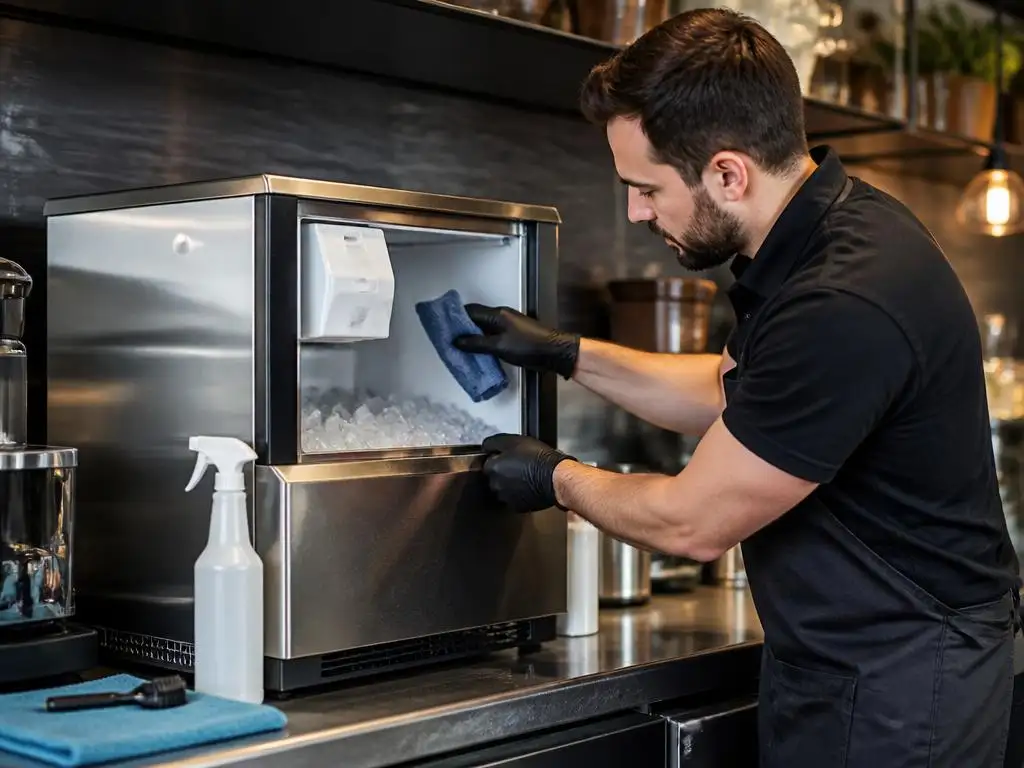
Seasonal fluctuations in ambient temperature can impact how your machine operates. During warmer months, the compressor works harder to combat the external heat, making it essential to keep condenser coils free of dust. A clean condenser allows heat to dissipate quickly, ensuring your machine can keep up with the increased demand for chilled beverages.
Integrating these technical checks into your broader business strategy is essential. Just as targeted outreach campaigns help you connect with your customer base, consistent equipment maintenance helps you deliver the quality they expect. Do not wait for the machine to break down; perform a mid-season inspection to verify that all seals, gaskets, and electrical connections remain tight and free of any visible wear.
If you encounter technical issues that go beyond basic cleaning, do not hesitate to contact a certified technician. Professional service is often more affordable than the cost of replacing a unit that has failed due to neglect. Maintaining reliable equipment standards is the hallmark of a professional establishment, reflecting your commitment to health and high-quality food safety.
Finally, keeping detailed logs of all maintenance activities is highly recommended. Documenting when filters were changed and when the system was last descaled provides valuable history. This data helps you predict when future parts might need replacing, allowing you to budget for repairs before they disrupt your daily operations or your revenue stream unexpectedly.
💡 Expert tip for efficient output
If your ice maker produces flaky or thin cubes, verify the water pressure settings. Often, low pressure prevents the water reservoir from filling completely, causing the machine to trigger cycle errors. Adjusting the inlet pressure to the manufacturer’s specified range usually resolves this common production issue without the need for expensive parts replacement or complex troubleshooting.
Strategic planning for long-term equipment success
Maintaining a commercial countertop ice maker is a continuous process that yields significant returns through improved efficiency and food safety. By treating your equipment as a vital asset, you ensure that your business avoids the pitfalls of sudden mechanical failure. Whether you are using growth-oriented communication strategies to attract clients or focusing on internal operations, the reliability of your service equipment remains the foundation of your success. Commit to these routines, and your machines will continue to provide clean, consistent ice for many years of profitable service in your facility.
