
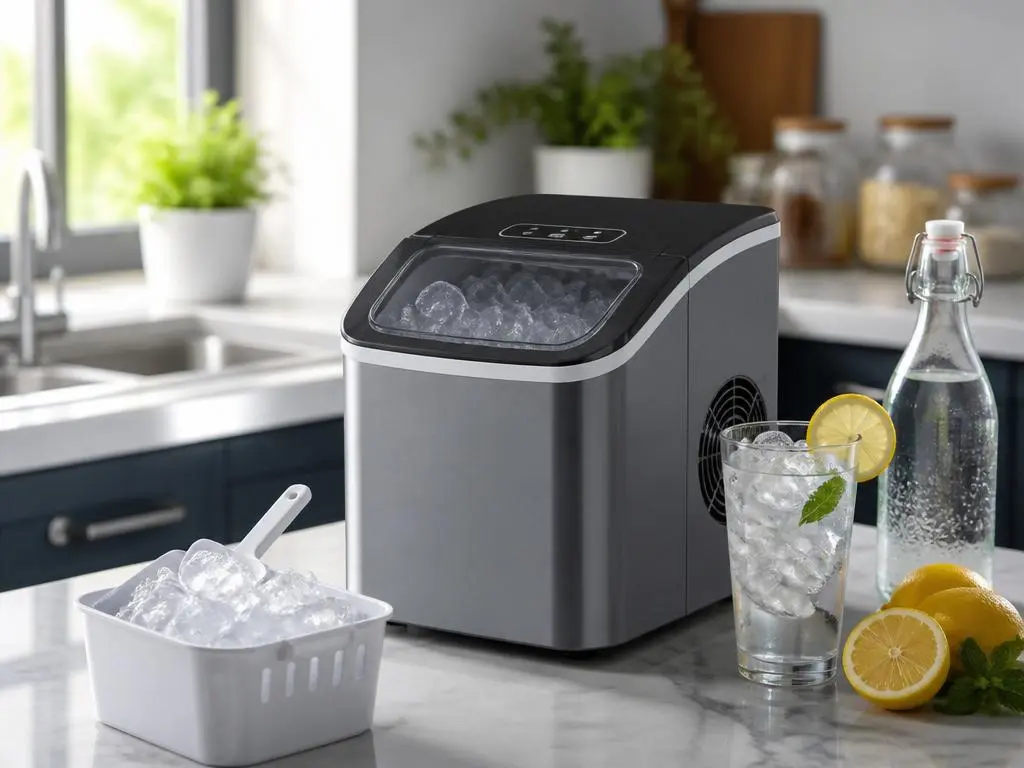
Operating a modern appliance like the kismile ice maker requires a solid understanding of its basic functions and daily maintenance needs. Whether you are setting it up for the first time or looking to optimize its cooling efficiency, knowing how to manage the water levels and sensory controls is essential. These machines are designed for convenience, but they perform best when the environment is stable and the water supply remains consistent. By following professional guidelines, you can ensure your device produces high-quality ice consistently while avoiding common operational pitfalls that often plague new users during their initial setup phase.
Beyond the basics, achieving longevity with your unit involves recognizing when it needs a deep clean versus a simple rinse. Many users overlook the importance of water quality, which directly impacts the taste of your ice and the lifespan of the internal components. As you begin your journey with this portable machine, remember that minor adjustments in placement and temperature settings can significantly enhance output speed. If you are ready to elevate your refreshment game, understanding the core mechanical requirements will help you maintain a reliable ice supply for every occasion or gathering throughout the year.
Setting up your compact ice device properly
The initial placement of your machine is critical for optimal performance. You should ensure that the unit is situated on a flat, level surface away from direct heat sources like ovens or windows. Proper ventilation is vital, as these units exhaust heat while cooling. Allow at least six inches of space around the back and sides to prevent overheating, which can drastically reduce the machine’s ability to freeze water efficiently. Once positioned, refrain from plugging it in for at least two hours to allow the refrigerant to settle after transport, which is a standard safety measure for cooling equipment.
💡 Pro Tip for Setup
Always use distilled or filtered water to fill the reservoir. Tap water contains minerals that can lead to calcium buildup, which forces you to seek out expert care protocols to restore your device. Clean water ensures the internal pipes remain clear and the ice quality stays crystal clear for your favorite drinks.
After the initial settling period, perform a cleaning cycle by filling the reservoir with a mixture of water and mild vinegar. Running this solution through the system clears out any dust from the manufacturing process. Drain the unit completely, then rinse it with fresh water twice. This simple step ensures that your first batch of ice is completely safe and free from any residual industrial odors or particles, setting the stage for a long and efficient service life in your home kitchen or office breakroom environment.
Managing water quality for longevity
Maintaining the water reservoir is perhaps the most important task for any owner. You should inspect the water level indicators frequently, as the system will alert you when it needs a refill. Overfilling the tank can lead to splashing and potential damage to the control board, while underfilling will cause the pump to run dry, significantly increasing the risk of premature mechanical failure. Developing a routine for checking the levels ensures that your supply remains steady without requiring constant monitoring, allowing the machine to work exactly as intended for your cooling needs.
If you notice the ice production slowing down, it might be time to address internal cleanliness. Just like maintaining commercial units, home machines benefit from periodic descaling. Use a solution specifically designed for ice makers to dissolve mineral deposits on the sensors and the evaporator fingers. These sensors are highly sensitive and rely on clear surfaces to detect when the ice basket is full. A clean sensor means the machine stops producing at the right time, preventing overflow and wasted energy during the daily cooling cycle.
⚠️ Common Operational Warnings
- Avoid placing the unit in direct sunlight or humid areas like laundry rooms.
- Never submerge the main housing in water for cleaning; wipe it down with a damp cloth.
- Always keep the lid closed during the cycle to preserve the internal temperature.
- Disconnect the power before attempting any manual maintenance or deep cleaning.
The ice basket should be emptied regularly to ensure the machine continues to cycle properly. When the basket becomes full, the infrared sensors trigger a pause to prevent clumping and jamming. If you find yourself in a situation where the ice output is not meeting your requirements, consider checking the local search visibility of services nearby, as businesses often look at map pack rankings to find qualified technicians. For a personal home unit, following the manufacturer manual for your specific model remains the best defense against common mechanical issues.
Troubleshooting your kismile ice maker issues
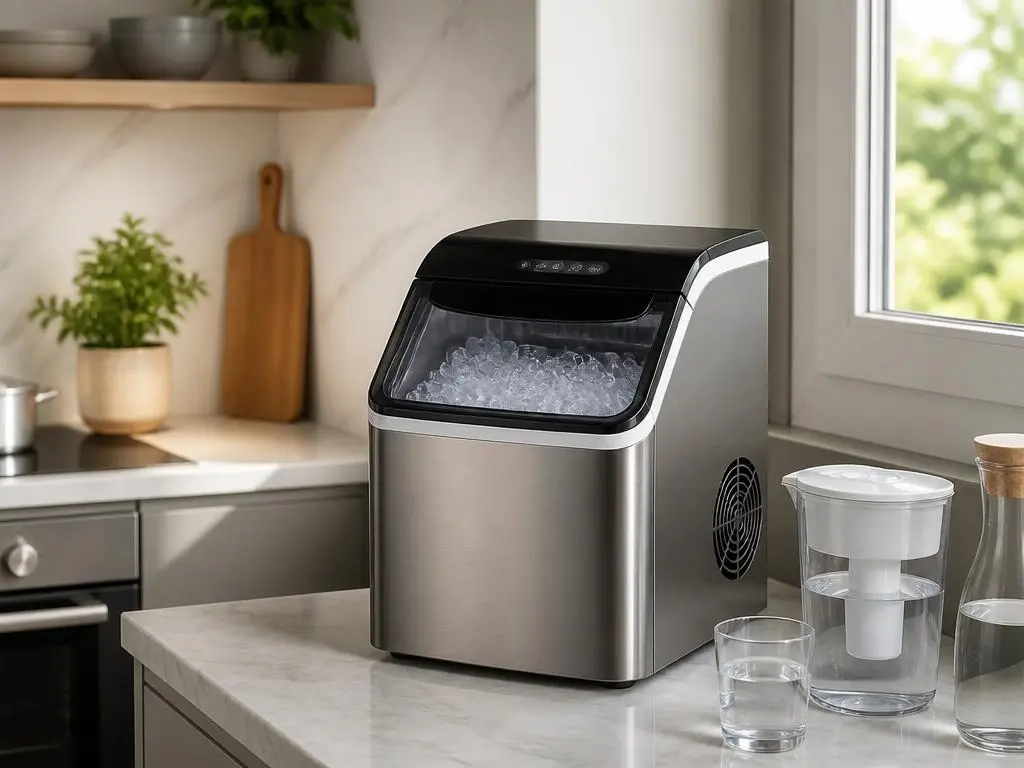
Should your machine stop producing, begin by checking the power supply. A loose connection or a tripped breaker is the most common cause of a total shutdown. If the power light is on but the machine is not cycling, verify that the water reservoir has enough liquid. Sometimes, the water pump can trap air; tilting the unit slightly can help release air bubbles from the intake, allowing the pump to pull water effectively again. This is a very common fix for machines that have been moved recently or emptied for long storage periods.
✅ Essential Maintenance Checklist
Keeping a regular cleaning schedule is the best way to extend the lifespan of your appliance. Once a month, perform a full descaling procedure. During this time, remove the basket and wash it in warm, soapy water to remove any bacteria buildup. Finally, wipe down the exterior surfaces to keep the unit looking professional and functioning at its peak performance level for many years to come.
If the ice cubes appear cloudy or soft, it is often a sign of high mineral content in your water or an issue with the ambient temperature. In warmer months, the machine has to work much harder to achieve freezing temperatures inside the chamber. Relocating the unit to a cooler part of your house can often solve these efficiency issues overnight. If the problem persists, check the fan vents for dust buildup. A clogged intake vent is a frequent culprit, as it prevents the condenser from releasing heat and maintaining the necessary cold environment for proper ice formation.
Optimizing daily ice production cycles
Maximizing the efficiency of your unit allows you to produce more ice during peak demand. Start by pre-chilling your water before adding it to the reservoir; starting with cold water reduces the cooling workload significantly. This intelligent cooling strategy helps the machine reach the freezing threshold faster, resulting in quicker batch times and denser, clearer ice cubes. It is a simple habit that changes how effectively your device operates during hot summer days when demand for ice is at its absolute highest point for your household activities.
Finally, consider the frequency of your usage. If you are not using the machine for a few days, it is better to drain the reservoir completely and leave the lid open to dry. This prevents mold and stagnant water from affecting your next batch. Keeping the unit dry when not in use is a foundational maintenance practice that ensures your appliance remains hygienic and ready for immediate use whenever you decide to turn it back on. By taking these few extra moments to manage the system, you guarantee years of effortless, chilled refreshment for your family and guests.
Summary of Key Takeaways
To summarize, focus on consistent water quality, regular descaling to remove mineral buildup, and adequate ventilation. If you follow these guidelines, you will enjoy a high output of perfect ice without the need for constant repairs. Treat your machine with care, and it will serve as a reliable companion for your kitchen, providing crisp, clear ice cubes whenever you need them most, regardless of how heavy your usage becomes during the warmer months of the year.
