

Maintaining control over your operating system is essential for users who prioritize stability over frequent, unrequested software modifications. Many individuals find that unexpected reboots or background installations disrupt their workflow, leading to a search for reliable effective methods to stop forced windows update procedures. By understanding how the system handles background maintenance, you can regain autonomy without compromising security. This guide explores the architectural nuances of the update service, offering granular control options for professional environments and power users alike who require consistent, uninterrupted performance throughout their daily digital operations and specific technical tasks.
The complexity of modern OS management often requires a balanced approach between security patches and system availability. While updates are designed to protect infrastructure, they can interfere with specialized software or critical uptime requirements. Whether you are managing digital signage or complex enterprise communication tools, knowing how to pause or defer these processes is a fundamental skill. As we delve into the technical mechanisms, we will look at how to customize your notification and installation preferences. This ensures your machine remains stable exactly when you need it most, avoiding sudden downtime during important business activities.
💡 Essential Preparation
Before modifying any system settings, always ensure you have a recent restore point created. While the following adjustments are generally safe, having a recovery option is a best practice for any system administrator. Always test these configurations on a secondary workstation before applying them to your main production environment to confirm compatibility with your specific software stack.
Understanding update service behavior
The Windows update mechanism functions as a background process that periodically checks for new software definitions and patches. By default, it prioritizes the installation of these items to ensure users are protected from vulnerabilities. However, this automation often triggers without user consent, potentially causing system slowdowns. Recognizing how these services communicate with servers is the first step toward reclaiming your system resources.
When you attempt to modify these behaviors, you are essentially altering the priority of the system maintenance queue. For those involved in managing specialized hardware, such as configuring hospitality digital signage, keeping a system in a static state is often a requirement for reliable display output. Unplanned changes can lead to unnecessary service interruptions that disrupt the visual experience for end users or customers within a physical facility.
⚠️ Why System Stability Matters
Sudden reboots can cause file corruption or data loss in open applications. Managing update cycles allows you to perform these operations during scheduled maintenance windows. This approach is highly recommended for businesses that rely on stable system performance to maintain high productivity levels and avoid costly downtime during peak operating hours or client-facing sessions.
Configuring group policy for control
For users running professional or enterprise versions of the OS, the Group Policy Editor provides a robust way to manage automatic updates. This tool allows for the creation of specific rules that dictate how and when the system handles patches. By navigating to the computer configuration folders, you can set the update service to notify before download, putting you in the driver seat.
Managing these configurations is similar to how one might evaluate a crypto marketing agency by checking their specific performance metrics and past history. Both require attention to detail and an understanding of the underlying framework. In the case of system updates, setting the policy to notify only ensures that you are never caught off guard by a sudden, non-consensual installation attempt.
Advanced service management techniques
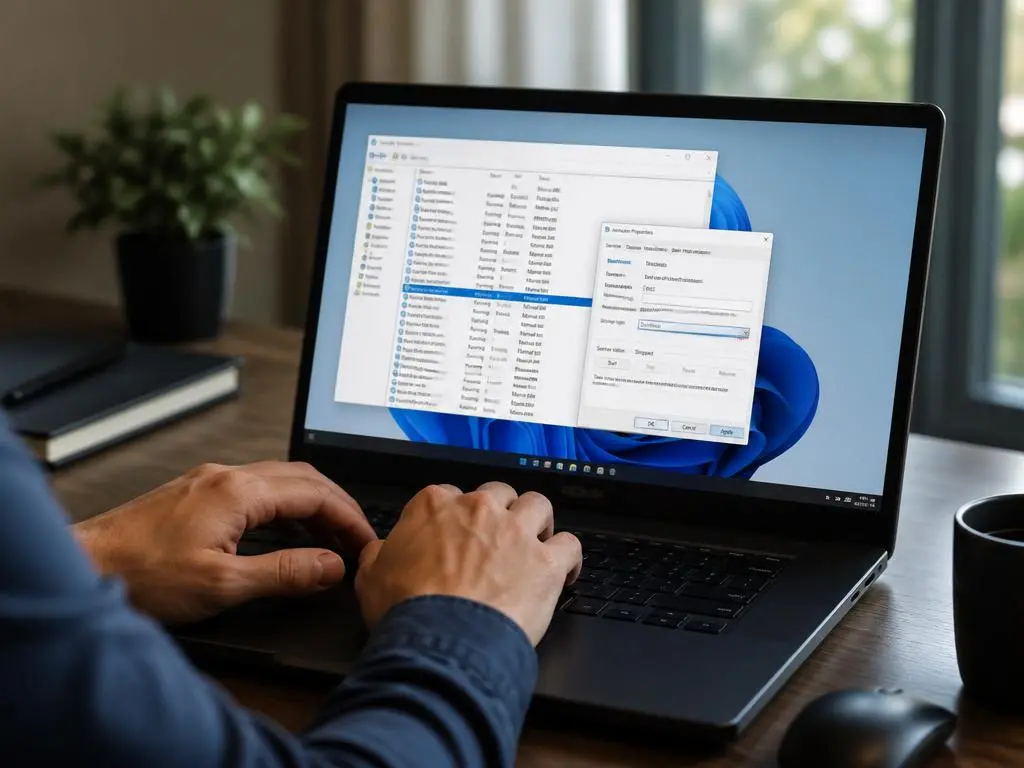
Beyond policies, the services console provides another layer of control. By disabling the specific update service, users can effectively halt all background activity related to patches. While this offers the most restrictive control, it requires manual intervention to restart the service when you are ready to apply updates, making it ideal for highly controlled, offline, or restricted computing environments.
This level of manual intervention is akin to troubleshooting uconnect pairing issues in a vehicle, where the user must navigate through nested menus to restore functionality. It demands a proactive mindset. If you choose this path, remember that security is your responsibility. You must periodically re-enable the services to check for critical patches to keep your data protected from external threats in a landscape that changes daily.
✅ Proactive Maintenance Checklist
- Check your update status once per month.
- Enable services temporarily during off-peak hours.
- Backup your critical data before applying major version shifts.
- Review the latest security bulletins to stay informed.
- Verify your network remains secure while updates are paused.
The impact on specialized hardware
If your computer acts as a server or a controller for other hardware, updates can be particularly problematic. For instance, those who select efficient phone systems for medical facilities know that even a few minutes of downtime can be significant. Ensuring that your workstation is not performing an automatic update during a critical communication window is vital for maintaining the integrity of these specialized infrastructure components.
By using the methods described, you gain the ability to schedule downtime rather than having it forced upon you. This creates a predictable environment where you can test new updates before rolling them out to the entire network. Such a strategy is the hallmark of effective IT management and helps maintain the highest level of operational reliability across your entire hardware and software ecosystem.
Final considerations for power users
While the goal is to stop forced windows update procedures, it is important to remember that updates contain necessary security improvements. The key is balance. By taking control, you are not necessarily avoiding updates forever; you are simply managing them according to your schedule. This puts the user in control rather than leaving the system to decide for itself when it is time to interrupt your work flow.
Always keep a log of the changes you make. If a system starts behaving unexpectedly, having a record of which policies or services you modified will make troubleshooting significantly faster. Ultimately, managing your system this way leads to a more professional, reliable, and customized computing experience that serves your needs without unnecessary interference or sudden, unwanted background activities during your most critical, high-focus hours of the day.
Summary of Findings
Effective management of your operating system updates is a matter of utilizing the right administrative tools to enforce your preferences. Whether using Group Policy, service disabling, or registry tweaks, the aim is to ensure total control over system availability. By implementing these strategies thoughtfully, you can enjoy a stable, uninterrupted, and secure environment that aligns perfectly with your professional workflow and specific hardware requirements, ensuring that your technology works for you, not against you.
