
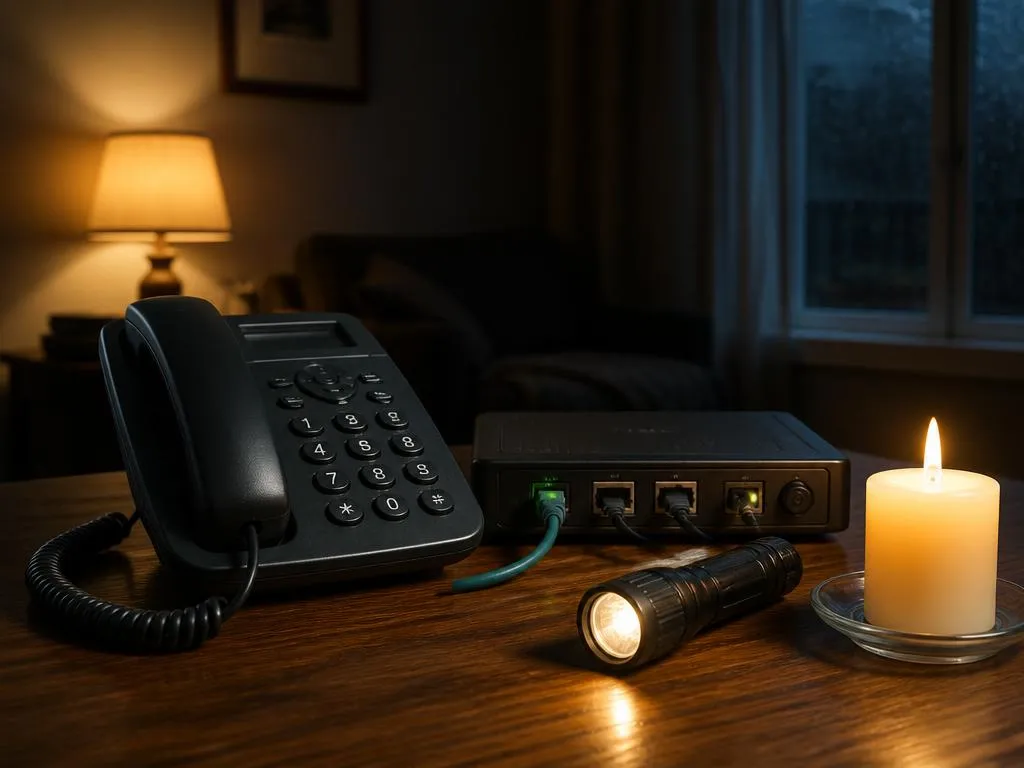
Many homeowners often wonder if a landline phone need electricity to remain functional during a widespread power outage. While traditional copper-based telephone lines were designed to carry their own low-voltage power directly from the central office, modern telecommunications have significantly shifted. Understanding this distinction is essential for households relying on home phone services for emergency communications. Most contemporary setups now utilize digital technology, which fundamentally alters the power requirements for your equipment. In this guide, we will explore the technical nuances of legacy systems versus today’s advanced digital infrastructures to help you stay connected effectively.
If you are currently evaluating your home or office setup, it is vital to recognize that most modern providers have replaced old analog copper wires with fiber-optic or internet-based protocols. These services rely heavily on active network hardware like routers or modems, which require a consistent power supply. Consequently, if your residence experiences a black-out, your communication device might cease working unless you have a dedicated backup solution. By examining the current landscape of residential telephony, we can better prepare for contingencies and ensure that your critical voice communication channels remain operational at all times.
Understanding legacy versus digital lines
The traditional copper network, known as Plain Old Telephone Service, functioned differently than current digital iterations. In the past, the central office provided enough power to ring your phone and carry a voice signal even when your home electricity was cut. This reliability made these phones essential for security and emergency preparedness during severe weather events.
However, the industry has shifted toward digital systems, which change the way we select efficient phone systems for homes and businesses. These modern systems often convert voice signals into data packets that travel over internet cables. Because this process requires active electronics, your phone now lacks the independent power source that characterized the older infrastructure, making it dependent on your local utility grid.
How modern VoIP services function today
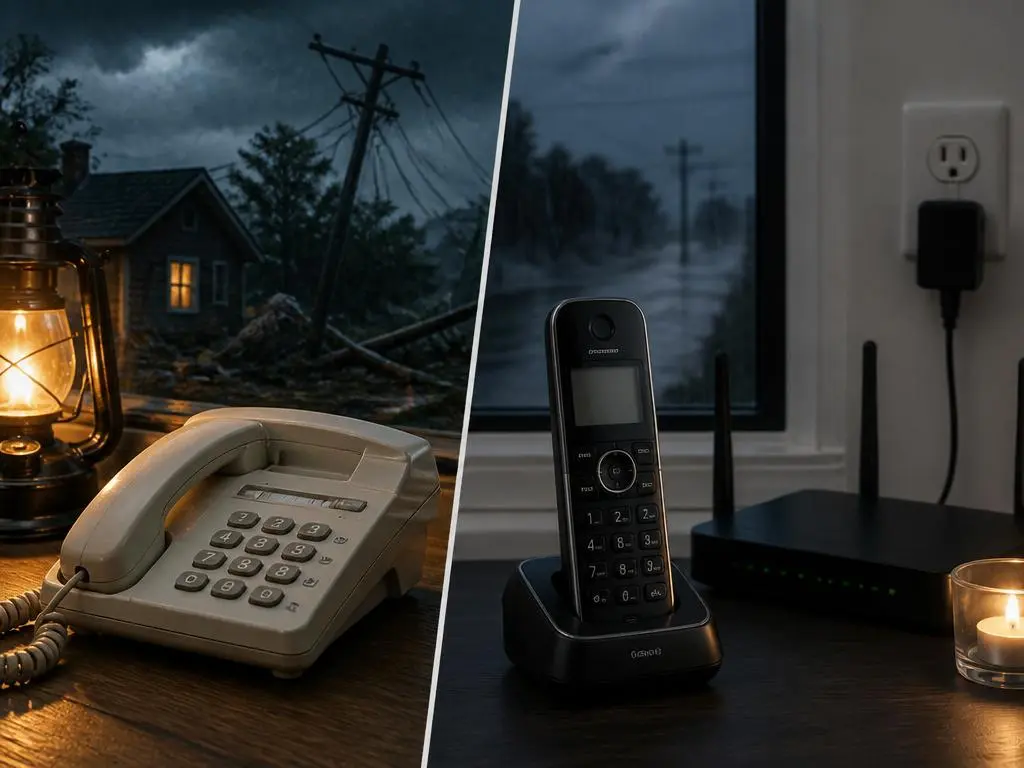
Most service providers today offer Voice over Internet Protocol, commonly referred to as VoIP. This technology transmits your voice via your high-speed internet connection rather than dedicated copper circuits. Since your modem, router, and optical network terminal require power to function, your phone calls will drop if the electricity fails in your home.
If you prioritize constant connectivity, you must understand that the hardware in your home serves as a bridge. Without power, these devices cannot bridge the gap between your handset and the service provider. This is a common misconception that many users discover only after a service interruption has already occurred in their residence.
💡 Vital tips for emergency readiness
- Check if your service is true copper or digital VoIP.
- Invest in a universal power supply for your home router.
- Keep a mobile device charged for backup during outages.
- Consult your provider about battery backup units for modems.
Why infrastructure upgrades impact your service
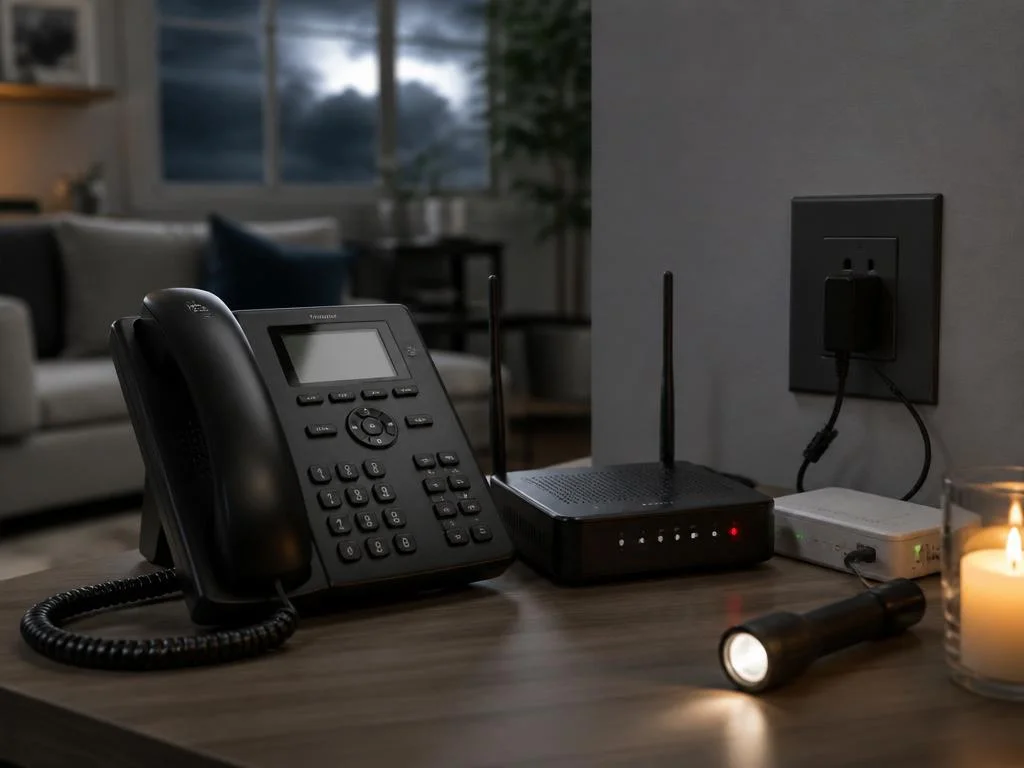
Telephone companies are aggressively retiring older copper networks in favor of fiber-optic technology. This transition aims to increase data speeds and improve signal clarity, but it removes the passive power delivery mechanism. You should check if your provider offers a battery backup unit to maintain service when the primary grid goes offline.
Even if you are using modern strategies for hospitality digital signage deployment in your lobby, you are likely using a similar IP-based infrastructure. The convergence of all data services into a single fiber or cable line means that a power loss at your location will disable all linked communication devices simultaneously.
Assessing your own hardware requirements
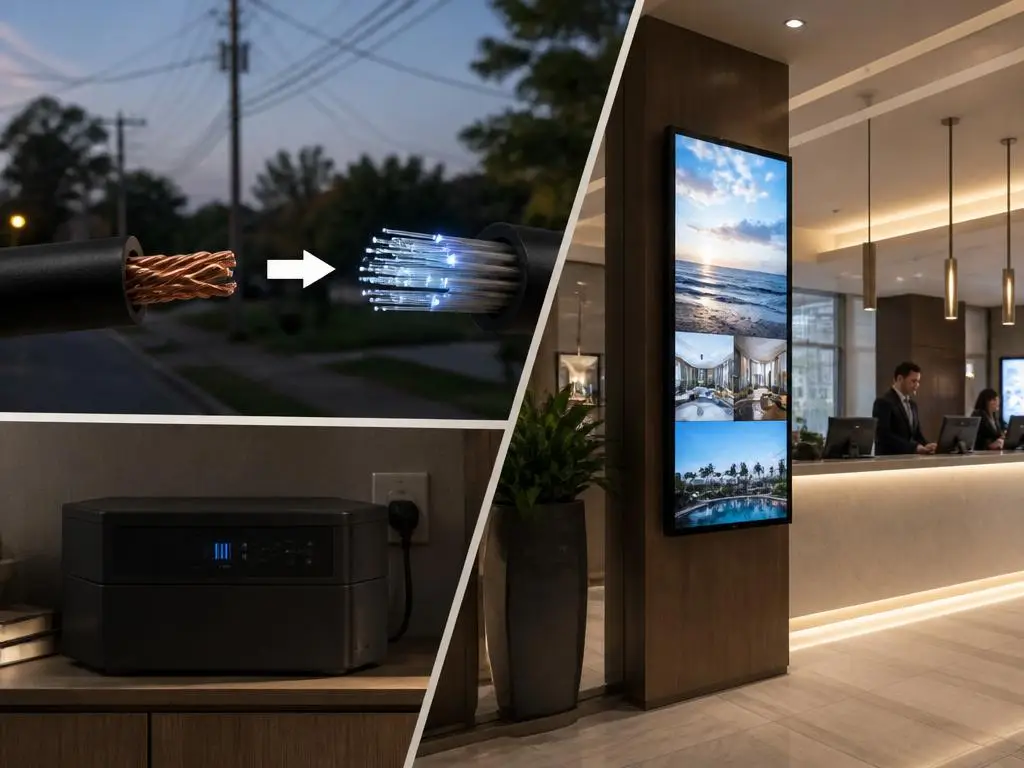
When you purchase a cordless phone system for your home, you will notice that the base station must be plugged into a wall outlet to function. This is because the device needs to broadcast a signal to the handsets and manage the digital connection. Even with a battery backup, these systems are energy dependent for their standard daily operations.
Only corded telephones that are plugged directly into a traditional wall jack might function without local power if the provider is still maintaining the legacy copper loop. However, these instances are becoming increasingly rare as telecommunications companies phase out older equipment to streamline maintenance and reduce costs across their vast national service networks.
Key takeaways for your connectivity
Digital phone lines are not inherently powered by the central office like analog copper lines. You must ensure your networking equipment has a reliable battery backup to maintain service. Always verify the specific service type provided by your local company to manage your emergency preparedness effectively during unexpected power loss events.
Comparing service types and expectations
It is helpful to look at how different technologies handle power. While satellite and cellular services are wireless, they still require charged batteries in your devices. If you are researching how to choose the best crypto marketing agency or any business service, your communication reliability depends on this same underlying power stability that protects your local area network hardware.
Most users are moving toward integrated voice solutions that bundle internet and phone service. While convenient and cost-effective, this model creates a single point of failure. If you lose power, you lose your internet, your streaming, and your voice service, necessitating a robust UPS system for your primary communication hub and networking hardware.
Practical steps for long-term reliability
To avoid being caught off guard, take an inventory of your home office equipment. Determine which devices share a power source and identify those that are critical for your safety. Adding a battery backup unit to your modem and router is a simple step that significantly increases the duration of your uptime during a crisis.
While many people believe their home telephone is a separate safety net, the reality is that it is often just another application running on your network. By treating it as part of your overall technical ecosystem, you can build a more resilient strategy that keeps you connected even when the local utility grid goes down.
Modern telephony is rarely independent of the electrical grid, emphasizing the need for personal backup solutions for critical communication devices.
Adapting to the future of voice technology
As we continue to embrace high-speed data, the transition away from copper will be complete. This path toward progress brings many benefits but requires users to be more proactive about their infrastructure. Staying informed about how your provider delivers your voice service is the first step in ensuring that you remain reachable under all possible circumstances.
Remember that even if you prefer the classic feel of a corded handset, the underlying delivery mechanism is the deciding factor in power requirements. By understanding this, you can make informed decisions about your service plan and equipment, ensuring your communication stability remains high despite changes in the broader telecommunications market landscape today.
| Service Type | Power Source Required | Reliability |
|---|---|---|
| Legacy Copper | Line Powered | Very High |
| VoIP/Fiber | Local Electric | Needs Backup |
