
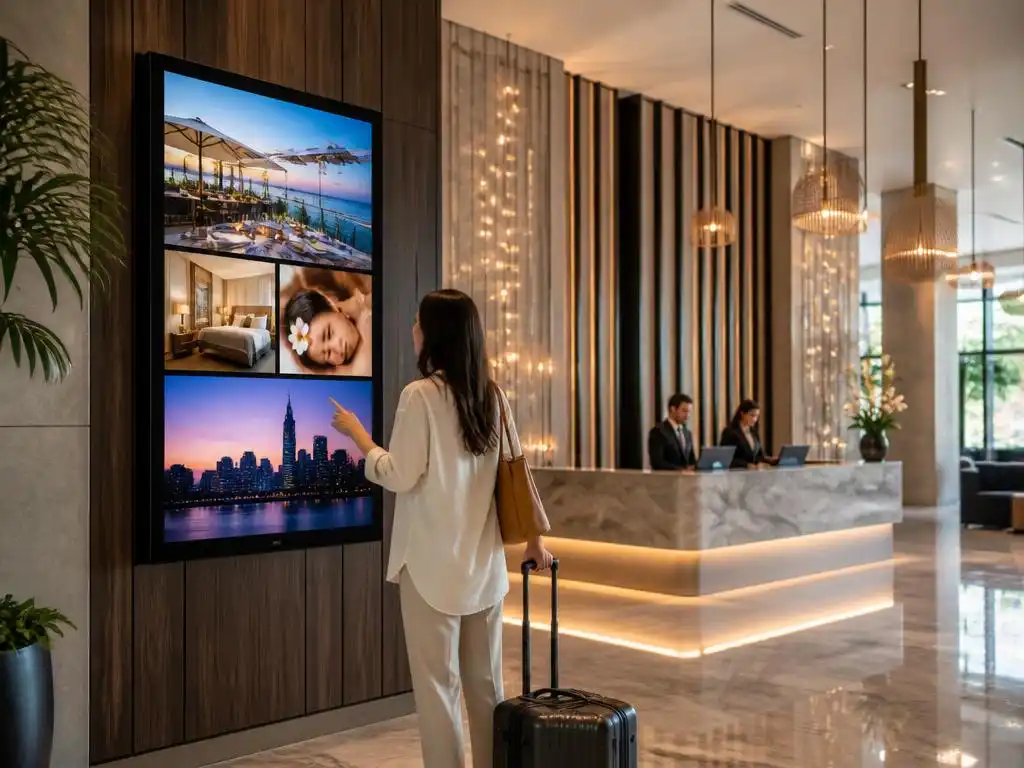
Modern hotels continuously strive to elevate the guest journey by integrating advanced technological solutions. A successful hospitality digital signage deployment changes how visitors interact with your physical space, transforming simple lobbies into dynamic hubs of communication. By implementing these modern visual platforms, properties can display real-time updates, local promotions, and personalized welcomes instantly.
This approach not only simplifies communication but also reduces perceived wait times at the reception desk. Guests appreciate seamless navigation and immediate access to event schedules during their stay. Discover how to effectively leverage this technology to boost overall visitor engagement and maximize operational efficiency.
Planning your digital display infrastructure
Establishing a solid physical framework is the critical starting point for any screen installation. Hoteliers must carefully assess high-traffic zones to determine where screens will have the most significant visual impact. Placing displays near elevators, reception desks, and lounge areas ensures that your carefully curated messages reach the maximum number of viewers daily.
In addition, selecting the appropriate hardware determines the longevity and reliability of your visual system. Commercial-grade screens are designed to operate continuously for long hours without overheating or experiencing screen burn-in. Investing in high-quality displays prevents frequent maintenance issues and guarantees a crisp, clear image quality that reflects your brand standard.
Similarly, secure mounting and aesthetic integration with the existing interior design are paramount. Cable management must be handled discreetly to maintain a clean, professional appearance throughout the property. Ensuring that your physical setup looks polished builds trust with incoming guests and enhances the overall architectural aesthetic of the lobby environment.
Enhancing the guest check-in experience
First impressions are highly influential in shaping how visitors perceive their entire stay at your property. Utilizing vibrant displays at the front desk allows you to greet arriving travelers with personalized welcome messages and beautiful imagery. This initial visual interaction immediately communicates luxury, modern efficiency, and a dedicated focus on superior guest comfort.
Moreover, interactive kiosks can supplement traditional front desk services by offering self-check-in options during peak arrival hours. These automated systems guide guests through registration, room selection, and key card issuance quickly and securely. This smart integration optimizes staff allocation, allowing your team to focus on complex guest requests instead of administrative tasks.
Using these dynamic displays to showcase current wait times or explain check-in procedures keeps waiting lines organized and calm. When guests are informed, their anxiety decreases, leading to much higher satisfaction ratings. This proactive communication tool bridges the gap between arrival and room entry, setting a positive tone for the trip.
Streamlining lobby traffic patterns
Utilizing digital queues and interactive maps guides your visitors through the arrival area with absolute clarity. This structural organization prevents chaotic bottlenecks at the front doors during busy convention weekends. Guests naturally transition from check-in lines to secondary lounge areas, increasing the foot traffic to your on-site dining options.
📌 Key Takeaways: High-Impact Placements
- Lobbies and reception counters generate the highest attention span.
- Elevator waiting bays are perfect for longer promotional videos.
- In-room channels must prioritize user-friendly navigational interfaces.
Content curation strategies for hotel lobbies
Content is the true engine that drives engagement across your entire digital display network. Displaying static images is no longer sufficient; instead, properties must utilize dynamic video, live social media feeds, and weather widgets. This variety keeps the screens looking fresh and encourages guests to pause and look at the displayed information.
Furthermore, implementing dynamic content scheduling allows managers to target specific demographics at different times of the day. For instance, breakfast menus can transition seamlessly into lunchtime specials as the morning progresses. This targeted approach ensures that your marketing messages are always highly relevant to the guests currently walking through the lobby.
Local information, such as flight departures, nearby dining recommendations, and local theater schedules, adds immense value for travelers. By positioning your screens as reliable sources of local knowledge, you reduce the workload on your concierge desk. Guests feel more independent and well-equipped to explore the surrounding city with confidence and ease.
Promoting on-site dining and amenities
Showcasing mouth-watering images of your signature cocktails or active spa discounts encourages spontaneous spending among vacationing guests. These strategic visual nudges convert simple hallway walks into productive secondary purchasing opportunities. As a direct result, your internal revenue streams expand dynamically without requiring high-pressure sales tactics.
💡 Pro Tip: Effective Scheduling
Avoid displaying the same playlist all day. Match your digital displays with the guest journey: highlight check-out times and local lunch options in the morning, then transition to dinner specials and evening entertainment by late afternoon.
Audio integration and interactive zones
Modern hospitality relies heavily on sensory immersion to create unforgettable memories for visiting guests. Integrating audio with your visual screens can enhance specific zones, like gaming lounges, kids’ corners, or upscale bar areas. However, technical issues like sound distortion or incorrect speaker configurations can quickly ruin this carefully designed multimedia experience.
For example, when setting up interactive entertainment consoles in youth lounges, sound setup is critical. Staff should know how to fix sound issues to keep the gaming systems running smoothly without frustrating the users. A seamless audio-visual sync keeps guests entertained and ensures they spend more time within your premium amenities.
Additionally, ensuring that specialized media players connect properly to premium sound bars requires technical precision. When configuring these luxury audio systems, learning how to connect console audio correctly is essential for achieving balanced surround sound. High-fidelity audio combined with stunning visuals creates a highly professional atmosphere that guests truly appreciate.
Creating immersive lounge environments
Soft background acoustic tracks carefully synchronized with tranquil high-definition nature scenes transform your lounge into a premium relaxation zone. This acoustic alignment relaxes weary business travelers and encourages them to order premium cocktails and stay longer. Designing spaces that balance sight and sound leaves a lasting sensory impact on your visitors.
Managing guest room entertainment systems
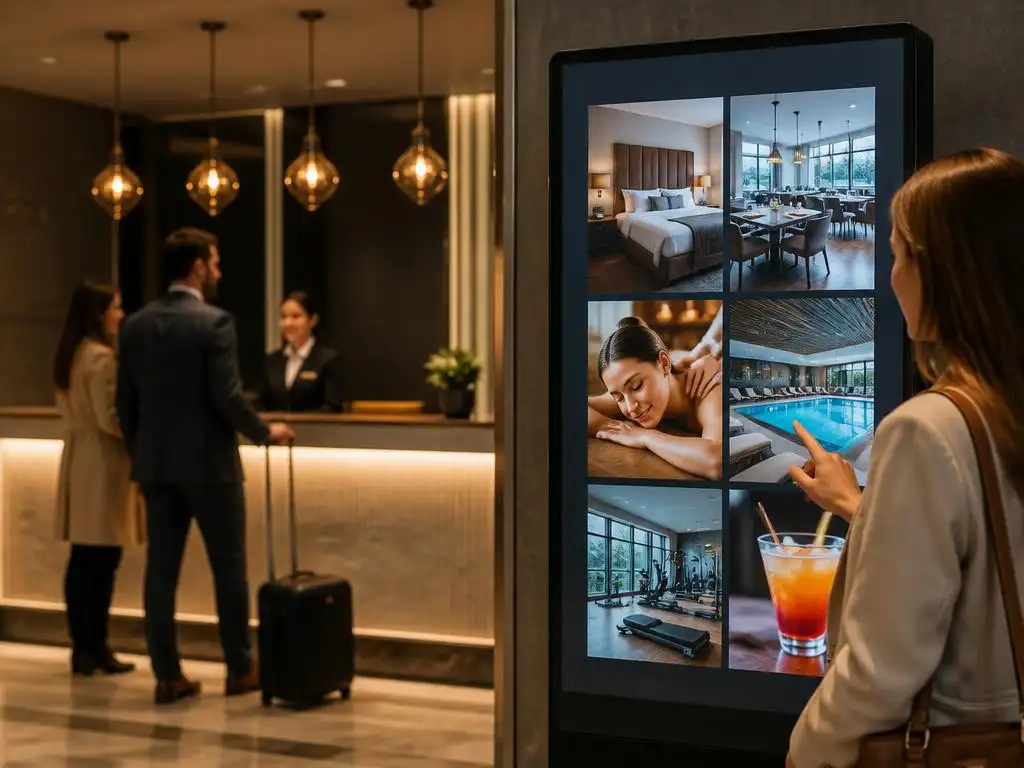
The digital experience must extend beyond public areas and flow directly into individual guest suites. In-room television screens serve as personalized portals where guests can order room service, book spa treatments, or stream movies. Maintaining a flawless, easy-to-use interface in the bedroom directly impacts overall guest satisfaction levels during their stay.
However, when guests struggle with unresponsive remotes or faulty media players, their frustration can grow rapidly. For instance, if the in-room streaming app disconnects, knowing how to quickly fix remote connection errors helps staff resolve the issue before a negative review is written. Fast troubleshooting guides keep guest room systems accessible.
Furthermore, simplifying the user interface ensures that travelers of all ages can navigate the menus without assistance. Clear icons, minimal text, and fast loading speeds are essential design principles for in-room portals. When technology is intuitive, guests are much more likely to purchase premium add-ons and utilize paid hotel services.
Measuring the return on investment
To justify the initial cost of digital screen installations, operators must systematically track performance metrics. By analyzing screen engagement, promo code usage, and restaurant bookings, you can accurately measure direct financial returns. This valuable data allows management to continuously refine their promotional strategies and optimize content placement for better conversions.
In addition to direct sales, digital displays significantly reduce printing costs for menus, brochures, and event guides. Instead of printing hundreds of paper items for every minor schedule change, managers can update digital assets instantly. These immediate savings contribute directly to a healthier operational budget and support environmental sustainability initiatives.
Finally, screen installations can open up lucrative new revenue streams through advertising partnerships with local businesses. Showing advertisements for nearby tour companies, boutique shops, or premium transport services can quickly offset installation costs. This collaborative business model creates a win-win scenario that benefits both your hotel and the local community.
| Metric Type | Measurement Tool | Expected Value Impact |
|---|---|---|
| F&B Revenue Growth | QR Code Scans / Promo Codes | +15% to 20% |
| Wait-Time Perception | Post-Stay Surveys | -30% perceived wait |
| Print Cost Reduction | Annual Operating Budget | Up to $5,000 saved |
Common technical hurdles and solutions
Despite the many benefits, managing a large network of digital displays can present unique technical challenges. Network disconnects, media player crashes, and outdated software can lead to blank screens that look highly unprofessional. Establishing a proactive monitoring system allows your IT department to detect and resolve issues before guests notice them.
Moreover, selecting a user-friendly content management system is vital for keeping your displays updated without constant IT intervention. A centralized cloud platform allows marketing teams to upload fresh creatives and schedule changes from any location. This flexibility ensures that the screens remain responsive to real-time events and seasonal promotions seamlessly.
It is also critical to train your on-site staff to handle basic troubleshooting tasks, like restarting players or checking cable connections. Having a simple checklist on hand saves time and reduces the need for expensive third-party technician visits. Empowering your team ensures maximum uptime and a consistently flawless visual experience.
Optimizing offline playback options
Choosing a media system that supports local caching ensures your screens keep running flawlessly even during total internet blackouts. Uninterrupted playback avoids embarrassing blank displays or error screen prompts in public view. This simple technical precaution safeguards your professional brand image and keeps guest guides active at all times.
⚙️ CMS Deployment Models
Scaling your network across multiple properties
For hospitality brands operating multiple hotels, maintaining brand consistency across different locations is a significant challenge. A centralized control hub allows corporate offices to push global campaigns while still permitting local managers to post regional updates. This balanced approach protects your brand identity while remaining highly relevant to local audiences.
When growing your brand footprint, scaling your digital systems requires specialized marketing and technological coordination. Just as modern firms choose to scale your project with expert agencies for niche marketing campaigns, hoteliers should collaborate with skilled integration partners. Leveraging external expertise ensures a smooth rollout across regional borders without stretching internal resources too thin.
Furthermore, standardizing hardware and software across all properties simplifies training and inventory management for your corporate IT team. When every location uses the same media players, troubleshooting procedures become highly efficient and predictable. This uniformity reduces administrative overhead and ensures a premium guest experience regardless of which property they visit.
Long-term maintenance and system upgrades
The digital landscape evolves rapidly, meaning your screen infrastructure must be built with future adaptability in mind. Regularly updating software protocols keeps your systems secure against emerging cybersecurity threats while introducing exciting new display features. A forward-thinking approach to software updates prevents your expensive hardware from becoming obsolete prematurely and unnecessarily.
Additionally, conducting routine physical inspections of screens, mounting brackets, and ventilation systems prevents hardware failures. Dust accumulation can cause media players to overheat, leading to unexpected system shutdowns and screen damage. Simple preventive cleaning schedules protect your initial financial investment and guarantee continuous, uninterrupted performance over many years.
Lastly, properties should plan for hardware refresh cycles every few years to keep pace with changing consumer expectations. Incorporating ultra-high-definition displays or interactive wayfinding systems ensures your hotel remains at the cutting edge of modern design. Staying current with technology positions your brand as an innovative leader in the competitive hospitality market.
✅ Sustainable Long-Term Strategy Checklist
- Conduct software patches monthly to prevent security risks.
- Maintain clear operational training guides for hotel front desk teams.
- Upgrade visual hardware at least every five to seven years.
